
Fig Variety Guide by Use: Fresh, Dried, and Processed | Determining Suitability Based on Fruit Characteristics
Updated: 2026-08-26
Selecting fig varieties based on sweetness and flavor alone can result in fruit that does not match the intended use when harvest arrives. The ideal fruit characteristics differ depending on whether the figs will be eaten fresh, dried for long-term storage, or processed into jam or compote. This article outlines the characteristics that suit each purpose—fresh eating, drying, and processing—and identifies the key points to consider when selecting varieties.
What criteria determine suitability
Compatibility with different uses is determined primarily by four factors: sugar content, moisture level, skin thickness, and flesh firmness. Fruits with high moisture content and juicy texture are well-suited for fresh consumption, but tend to require longer drying times. Conversely, fruits with firm flesh and high sugar content tend to have concentrated flavor after drying. For processing suitability, consider whether the fruit holds its shape when cooked with the skin intact, and whether the balance between sweetness and acidity is appropriate.
Fresh-eating varieties
For eating fresh, varieties with thin skins that are juicy and deliver sweetness and aroma immediately upon consumption are preferred. Masui Dauphine, widely cultivated in Japan, produces large, succulent fruit and is a standard choice for fresh eating. Toyomitsuhime, originating in Fukuoka, has high sugar content and a melting texture, making it well-suited to fresh consumption of fully ripe fruit as-is. Brown Turkey, with its thin skin and ease of handling, is also an accessible choice for beginners growing a single tree for fresh eating.
Drying varieties
乾燥用に選ばれてきたのは、果肉が締まって糖度が高く、比較的小〜中果で種子がしっかりした品種です。欧米で伝統的にドライフィグ用とされるアドリアティックやカドタ、ブラックミッション、受粉が必要なカリミルナは、乾燥後も風味が凝縮されやすい代表格です。詳しい干し方の手順は干しいちじくの作り方でも紹介しています。
- Varieties with lower moisture content and firm flesh tend to require shorter drying times.
- High-sugar varieties concentrate their sweetness more readily during drying.
- Thin-skinned varieties are prone to splitting during drying, so drying method requires careful attention.
Processing Varieties
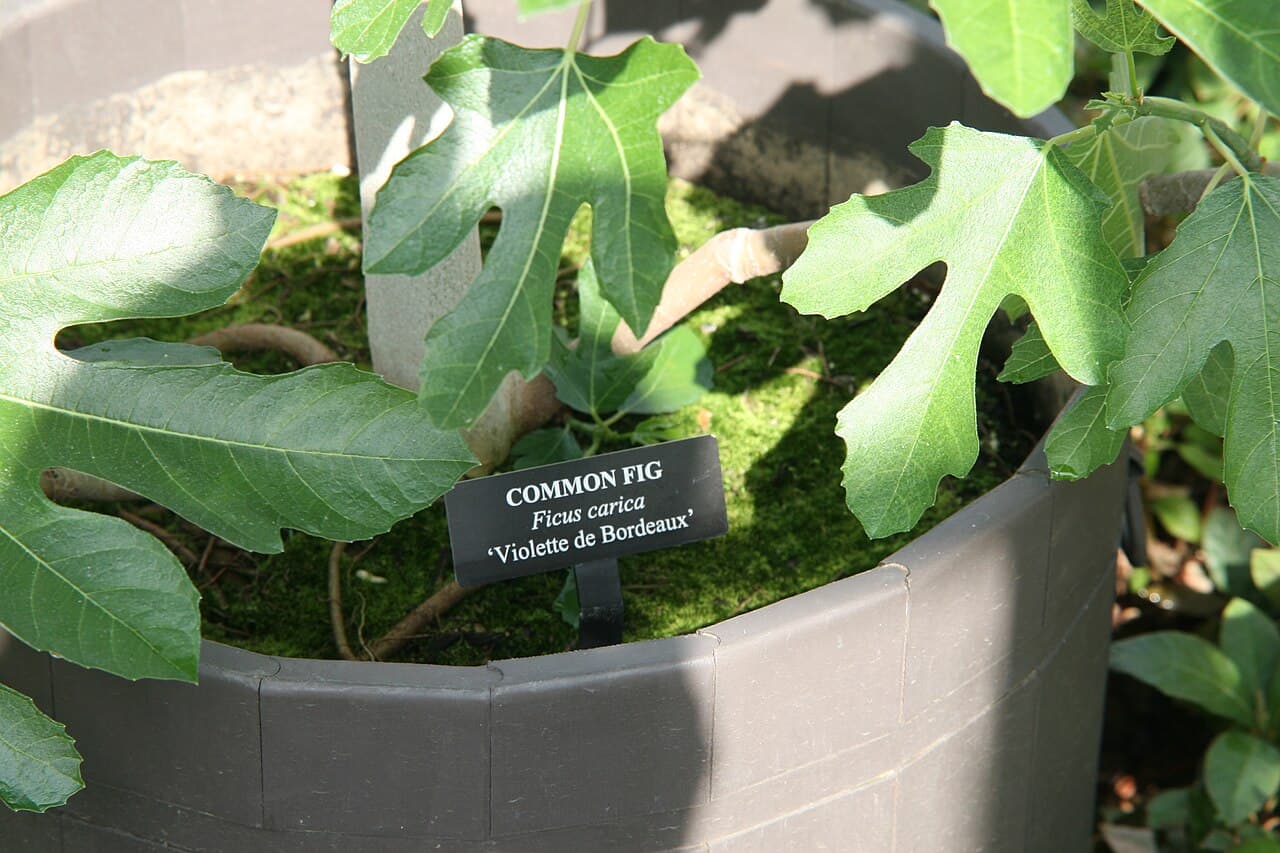
ジャムやコンポートなど加熱調理する加工用途では、酸味とのバランスが取れ、煮崩れしにくい果肉の品種が扱いやすくなります。耐寒性で知られるセレストやシカゴハーディーは実つきが安定し収量も見込みやすいため、まとまった量を加工に回したい家庭栽培でも扱いやすい品種です。具体的な作り方はイチジクジャムの作り方を参考にしてください。多収が期待できるバイオレットドボルドーやロンドドボルドーも、生食で食べきれない分を加工に回す使い方に向いています。
Enjoying Multiple Uses with a Single Tree
When growing a single fig plant in the garden or in a container, selecting a versatile variety that is sufficiently sweet for fresh eating and can also be dried or processed if surplus fruit remains will prevent waste. Avoiding varieties bred for an extreme single purpose is more practical. Leading varieties such as Masui Dauphine and Toyomitsuhime have the advantage of being easily adapted to preservation methods like drying or cooking if fruit cannot be consumed fresh during peak harvest season.
When uncertain about variety selection for a specific purpose, comparing flesh color and sugar content trends in the variety guide or asking about actual growing experiences on the forum is recommended. Selecting varieties suited to each intended use—fresh eating, drying, or processing—allows harvested fruit to be enjoyed fully without waste.
Related varieties
Not going the way you hoped?
Ask other growers on the board. A photo gets you a faster answer.
This article was drafted with AI assistance and reviewed by the site operator. Variety details are for reference—please confirm identification through discussion on the board.
Reply0
Login required