
Identifying Fig Varieties by Leaf Shape: Key Checkpoints for Lobe Count, Size, and Texture
Updated: 2026-10-25
In spring, before the fruit has formed, or when working with young trees and cuttings, the skin color and flavor cannot be used to identify the variety. In those cases, leaf shape is a useful clue. Fig leaves tend to differ by variety in the number and depth of their lobes, their size, and the texture of their surface, so repeated observation makes it easier to narrow down the likely cultivar line. Leaf shape also changes with growing conditions and the condition of the tree, so it is best used as a way to narrow the candidates rather than as a definitive identification.
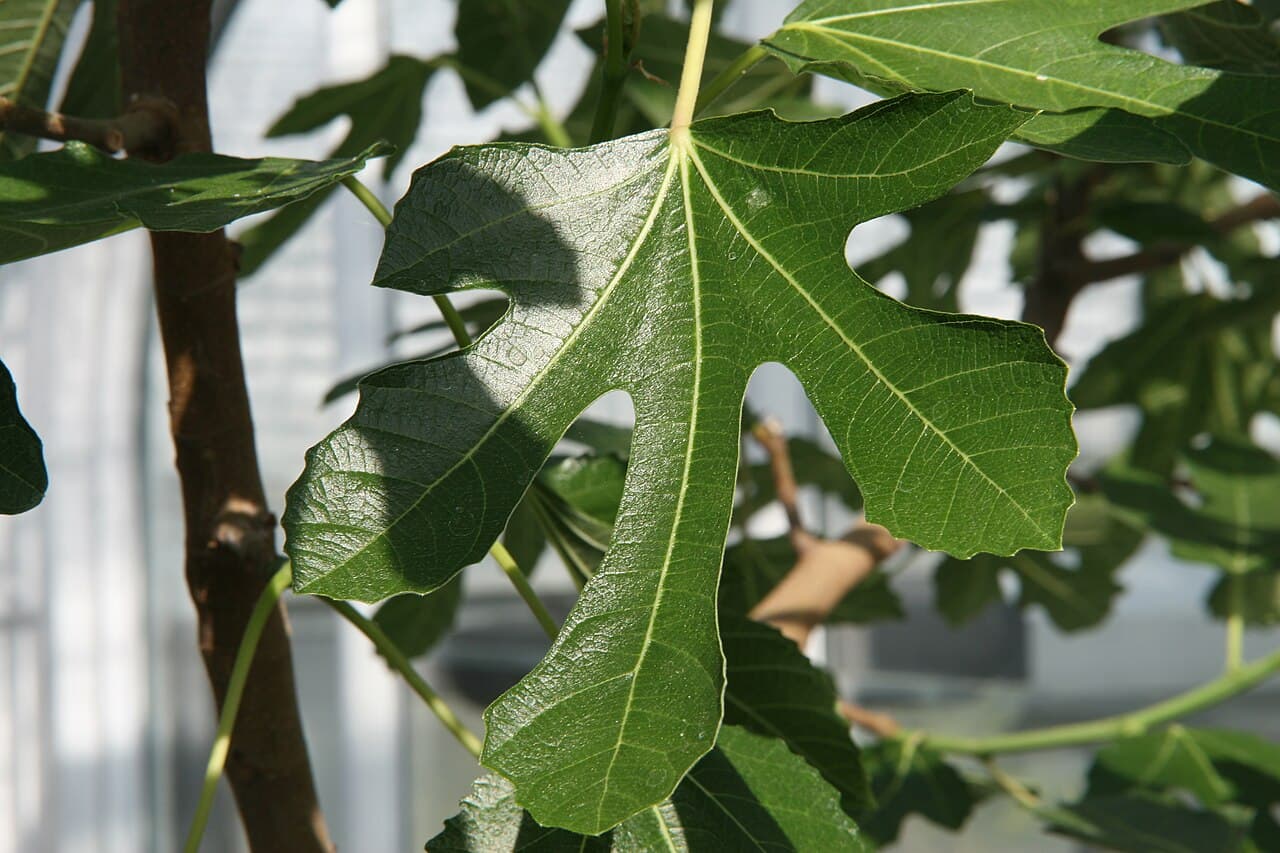
Four Points to Check on the Leaves
- Number of lobes: from nearly entire (no clefts) to 3-lobed, 5-lobed, and so on. Also note the depth of the clefts.
- Leaf size and thickness: whether the leaves are larger than the palm of a hand, or thin and soft, or thick and firm
- Leaf surface texture: the degree of roughness, the presence or absence of gloss, and how prominent the veins are
- Leaf stalk and base shape: whether the base is heart-shaped with a notch, or cut straight across
Tendency of Splitting and Guideline by Variety
In general, cultivars widely grown in Japan, such as Masui Dauphine, tend to have relatively large leaves with shallow lobes. Other cultivars produce deeply lobed leaves, while some have leaves that are barely lobed and rounded. These are general guidelines only, and there are many exceptions even within the same cultivar.
Variation even within a single tree
Leaves on the same tree can differ. Leaves on vigorous water sprouts tend to be larger and more deeply lobed, while leaves on weak shoots and in the interior of the canopy tend to be smaller and simpler in form. For comparisons, select leaves from mid-section of mature shoots on the sunny outer canopy, as this helps keep conditions consistent.
Observation and Recording Procedure
- Select three to five mature leaves from the middle section of the branch.
- Place it on a sheet of white paper or a white board and photograph the whole thing from directly above.
- Photograph the underside of the leaves and a close-up of the leaf stalk base as well.
- Record the number of lobes, leaf length, and leaf texture in your notes.
- Record the date of photography, the position of the branches, and the condition of the tree (whether it is growing leggy, and whether it is in a pot or planted in the ground).
Why Leaves Alone Cannot Be Used for a Definitive Identification
Leaf shape can vary considerably with fertilization, sun exposure, the severity of pruning, and tree age. In addition, many different cultivars have very similar leaves. Leaf observation can at most suggest that a tree is "probably related to this line," and it is weak evidence for deciding a cultivar name. It is more practical to judge overall, combining fruit characteristics, vigor, and the source of the plant.
Tips for Asking Questions on Forums
When posting photos of leaves, including all three views described above (the whole leaf, the underside of the leaf, and the entire branch) makes it easier for others to compare them. You may want to check the photos against those in the variety guide and then ask on the forum which lineage the plant seems closest to. For varieties with distinctive leaves, such as Violette de Bordeaux, the variety page may also be useful.
Summary: Leaf shape can be a useful clue for narrowing down a fig variety when no fruit is present, but it varies considerably with growing conditions and is not reliable enough for a definite identification. A practical approach is to photograph and record mature leaves under consistent conditions, then combine them with fruit and tree characteristics to narrow the list of possible varieties step by step.
Not sure what your fig is?
Post a photo of the leaves and fruit and see what other growers think. "Maybe" is a perfectly good answer here.
Post your figRelated varieties
Not going the way you hoped?
Ask other growers on the board. A photo gets you a faster answer.