
Soil Selection and Mix Recipes for Figs | In-Ground and Container Planting
Updated: 2026-07-23
Fig is a hardy fruit tree, but its roots dislike excess moisture, so improper soil selection can lead to poor growth and root rot. Conversely, when drainage and water retention are properly balanced, figs grow reliably in both ground planting and container cultivation. This article outlines the soil conditions suited to fig cultivation and provides specific soil mix recipes for both ground planting and container growing.
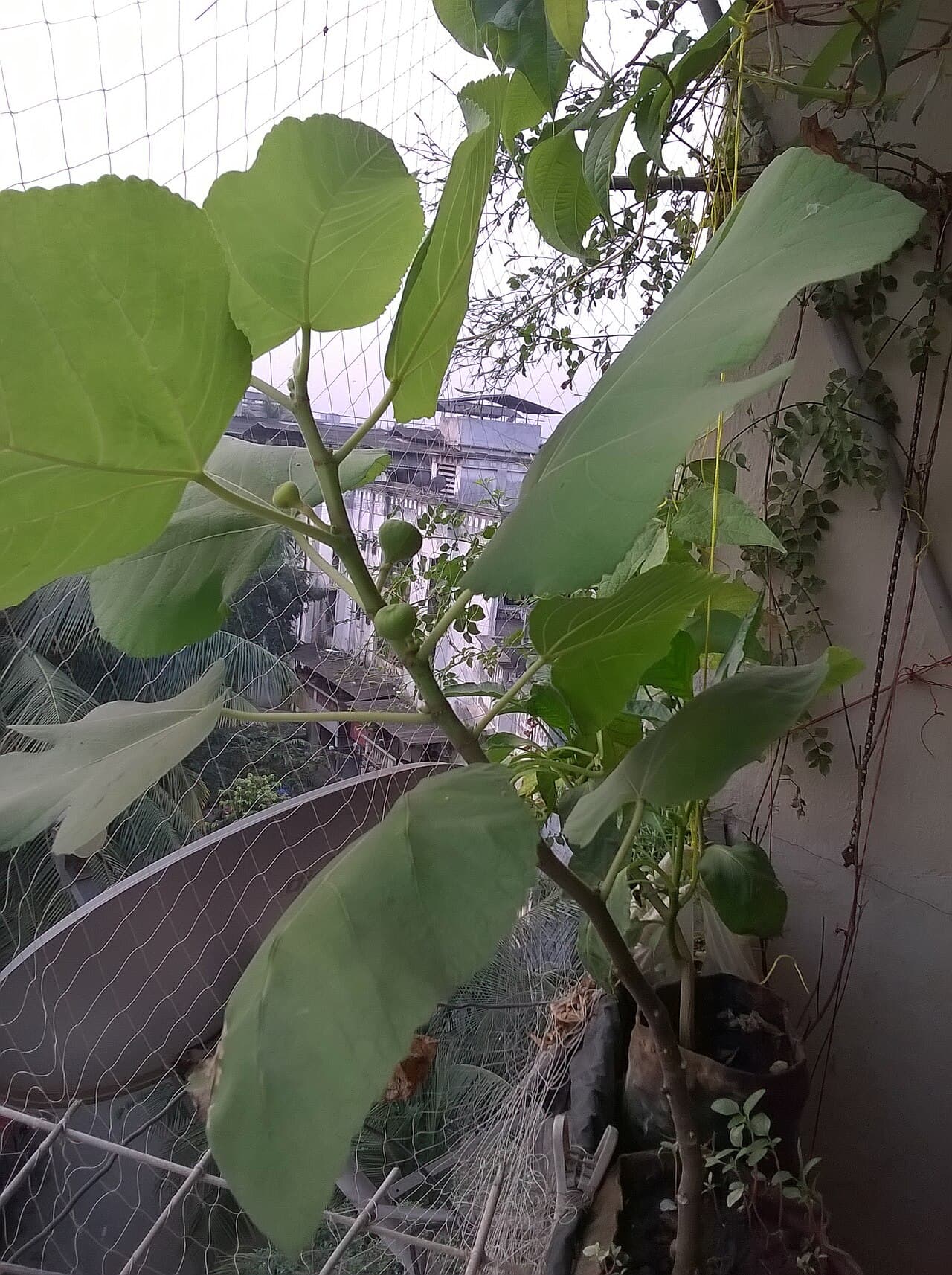
Soil Conditions Suitable for Figs
- Well-draining soil where excess water does not accumulate around the roots.
- has adequate water retention and does not dry out to an extreme degree.
- Prefers neutral to slightly alkaline soil (pH 6.0–7.5 approximately).
- Soft, organic-rich soil that supports active microbial life
Soil Amendment for In-Ground Planting
When planting figs in the ground, amending the entire planting area before installation greatly simplifies later management. For clay-heavy, poorly draining soil, incorporate compost or leaf mold to create aggregate soil structure, and if needed, mix in sand or perlite to improve drainage. Conversely, for sandy soil that dries quickly, add a generous amount of compost or leaf mold to enhance water retention. For locations with particularly poor drainage, planting on raised beds is also effective.
Potting Mix Recipe
Basic Proportions
- A basic ratio that is easy to handle is red loam soil (medium grain) 6 : leaf mold or compost 3 : charcoal or pumice 1.
- Use a commercial fruit tree potting soil as the base. If drainage is a concern, perlite may be added at 10–20% by volume.
Arrangements by Purpose
- For managing the fig in a compact, small container: increase the proportion of akadama soil (small grain) to make water drainage more noticeable.
- Environment prone to drying out in summer: incorporate leafmold or compost in somewhat generous amounts to ensure adequate water retention.
- Regions with high humidity or prolonged wet weather: Increase pumice or perlite and prioritize drainage to prevent root rot.
pH Adjustment and Lime Application
Figs tolerate acidic soil only moderately. If existing soil tends toward acidity, mixing in a small pinch of magnesium limestone can help stabilize growth. Excessive application, however, can inhibit the absorption of other nutrients, so it is safer to start with a small amount and observe the results. If uncertain, checking soil pH with a commercially available simple pH test kit before adjustment is recommended.
Potting Soil Recycling and Precautions
Old soil removed during repotting can be reused as a soil amendment by sieving out roots and debris, then drying in direct sunlight. However, soil from plants that showed disease symptoms should not be reused in the next pot; switch to fresh potting mix instead. Depleted old soil can also be repurposed for amending in-ground soil by adding compost or leaf mold to it.
There is no single correct choice for soil composition; the optimal blend varies depending on regional climate and growing location. Even hardy varieties such as Masui Dauphine and Toyomitsuhime will show reduced growth if subjected to prolonged waterlogging or acidic soil conditions. Start with a basic standard blend and gradually adjust the mixture to suit the local environment while monitoring the balance between drainage and water retention. Variety-specific compatibility information and techniques used by other growers can be found in the Variety Guide and Discussion Board.
Not sure what your fig is?
Post a photo of the leaves and fruit and see what other growers think. "Maybe" is a perfectly good answer here.
Post your figRelated varieties
Not going the way you hoped?
Ask other growers on the board. A photo gets you a faster answer.