Choosing Pot Size for Figs | Guide to Pot Numbers and Characteristics of Pot Materials (Plastic, Terracotta, Slitted, Fabric)
Updated: 2026-09-28
When growing figs in containers, pot size selection is often the first obstacle growers encounter. Pots that are too small tend to cause water stress and root congestion, while pots that are too large from the start result in poor drainage relative to soil volume, with roots unable to use all the available moisture—a condition that leads to root rot. This article outlines how to select pot size using pot numbers as a reference, describes the characteristics of different materials, and explains how to determine when to upsize.
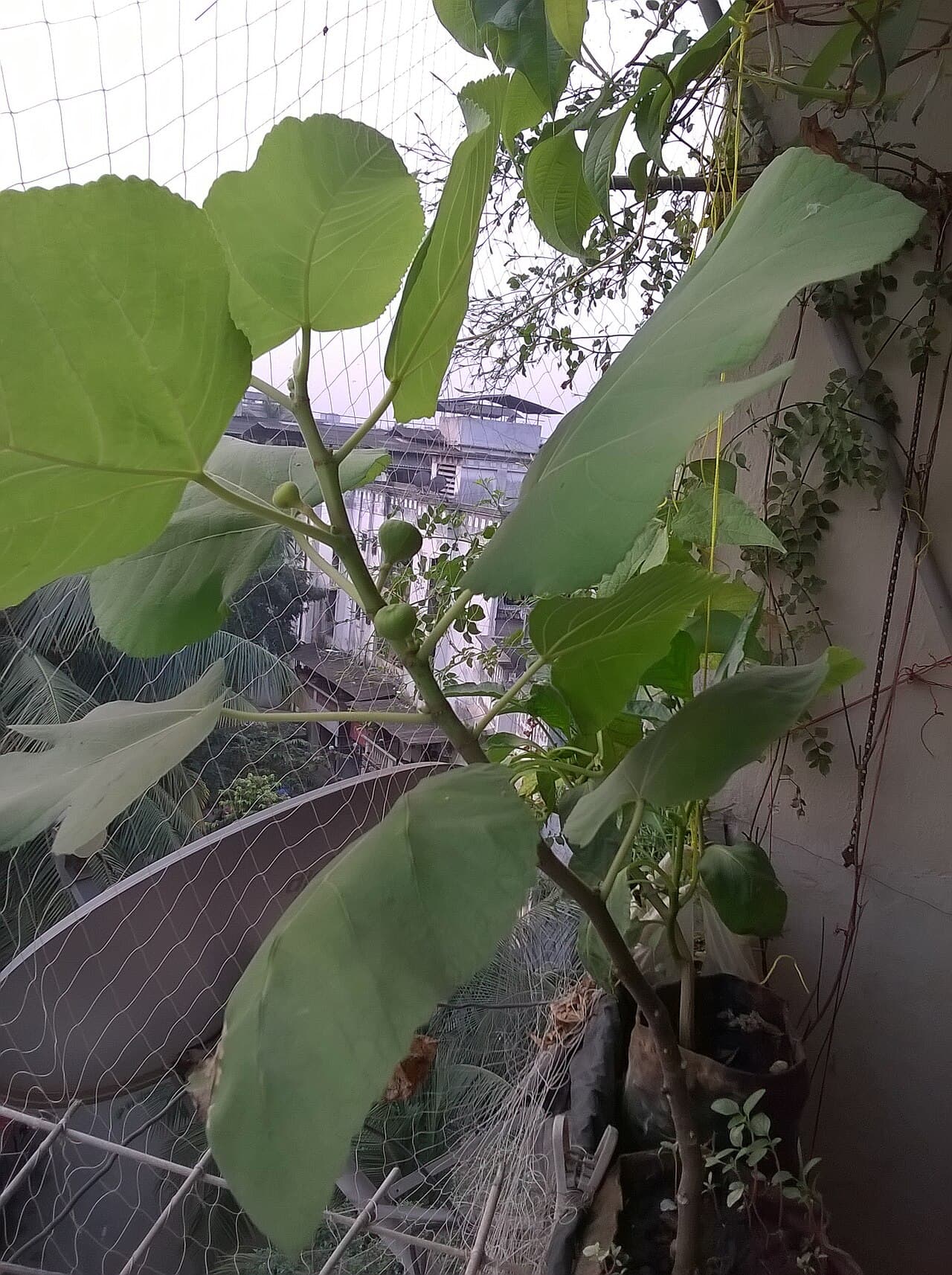
Select container size by pot size rating
Pot size is indicated by number, with each number corresponding to approximately 3 cm in diameter. For potted figs, cuttings grown into young plants require pots of size 3–4, trees in their first or second year after repotting require size 6–7, and mature trees at the fruiting stage require size 8–10 or larger. Pot size varies depending on cultivar vigor and training method, so these figures should be regarded as starting points rather than fixed requirements.
- Cuttings and newly rooted material: 3–4 size pots (approximately 9–12 cm diameter)
- Young trees and first to second year after transplanting: 6–7 size pots (approximately 18–21 cm diameter)
- Mature trees and fruit production: 8–10 gallon pots or larger (24–30 cm diameter or greater)
Adjust according to the vigor of the variety.
Even at the same tree age, vigor varies considerably by variety. Varieties with vigorous branch growth, such as Masui Dauphine, become rootbound quickly in small containers, so cultivation in a moderately larger pot is easier to manage. Conversely, varieties that grow compact, such as Violette de Bordeaux, maintain their form readily even in smaller pots and suit container cultivation in limited spaces such as balconies. When uncertain which type a particular tree is, consulting the growth patterns of similar plants in the variety encyclopedia or forum proves helpful.
Characteristics by Container Material
Plastic pots
Light and easy to handle, with an affordable price, making it suitable for first container plantings. Retains moisture well and resists drying out; however, poor air circulation can lead to excessive moisture, so attention to drainage material at the pot base and soil drainage is beneficial.
Terracotta pot
Terracotta pots have inherent breathability, allowing excess moisture to escape readily, which helps minimize root rot risk. Because the soil dries quickly, attention to watering is required during peak summer to prevent drought stress. The weight of terracotta pots makes them suitable for permanent placements where frequent moving is not anticipated.
Slitted pot
The structure makes it easier to prevent root circling, which occurs when roots become tangled in the interior due to cuts on the sides. If the pot size is appropriately matched to the root volume, the interval between repottings can be extended—a notable advantage.
Nonwoven fabric pots (grow bags)
Fabric pots offer excellent air permeability and drainage, and their air-pruning effect—where roots slow their growth upon contact with the fabric—reduces the risk of root binding. They are lightweight and easy to move, though their durability is lower than other materials, so replacement within a few years should be anticipated.
Timing Guidelines for Upsizing
Upsizing the container is best done after roots have filled the pot, but waiting until they are severely cramped will cause growth to stagnate. When the following signs appear, repot into a container one size larger (approximately 2 pot sizes up).
- Roots protruding from the drainage hole at the pot base
- Water drains immediately from the pot bottom even after watering, and water does not penetrate the soil easily.
- Growth vigor has declined, as evidenced by smaller leaves than the previous year and slower branch extension.
Larger pot sizes are not necessarily better; selecting a pot size appropriate to the root mass and a material suited to the growing location is the most direct approach to preventing both excessive drying and root rot. Adjust pot size and material according to the vigor of the variety being grown and the growing environment. When uncertain about the choice, consult the bulletin board.
Related varieties
Not going the way you hoped?
Ask other growers on the board. A photo gets you a faster answer.
This article was drafted with AI assistance and reviewed by the site operator. Variety details are for reference—please confirm identification through discussion on the board.
Reply0
Login required