
How to Transplant In-Ground Figs | Root Pruning Timing and Post-Move Care
Updated: 2026-08-13
Relocating an established fig tree in the garden is a common request: "We're rebuilding the house and need to move the fig"; "The tree is in too much shade—we want to move it somewhere with better conditions." Although figs are relatively hardy when transplanted, abrupt digging that severs roots can cause sudden decline. This article outlines the process for successful transplanting, from root preparation through excavation to post-planting care, to avoid tree loss.
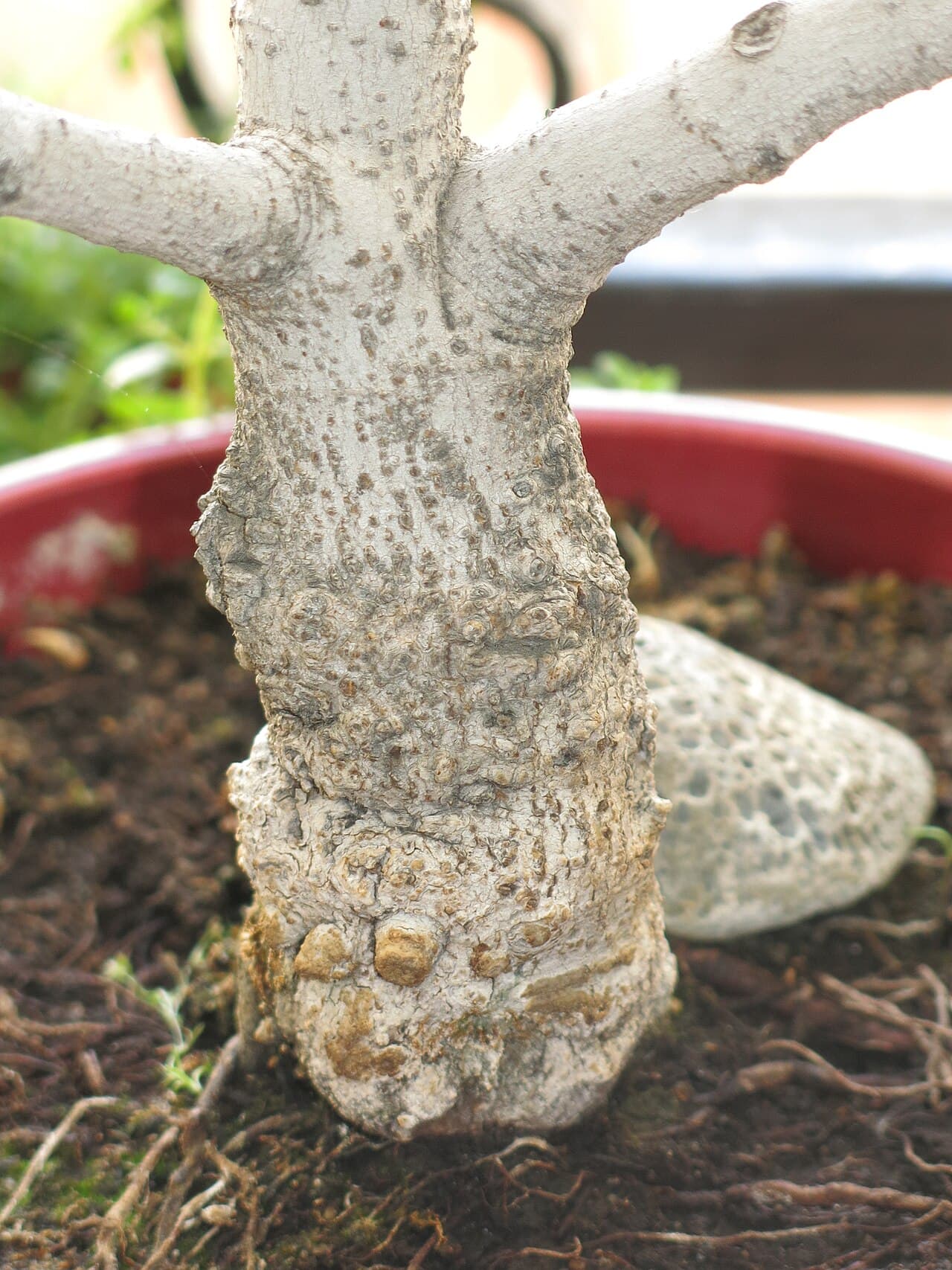
Is the Fig Tolerant of Transplanting?
Figs possess strong sprouting vigor and tend to regenerate readily from dieback even if roots are somewhat damaged. This does not, however, mean that uprooting can be done without planning. Cutting large roots in quantity at once reduces the plant's ability to absorb water rapidly, which can lead to leaf scorch or branch dieback after transplanting. Young trees within a few years of planting have shallow roots and move easily, while established trees of ten years or more have extensive, deep root systems. To increase the success rate with older specimens, staged preparation is essential.
Transplanting Timing
Transplanting is best performed when figs are dormant and leafless, from December through February. During this period of inactivity, cutting roots and branches places minimal stress on the tree, and there is adequate time for roots to settle before spring growth begins. In severe winter climates, excavating soil in the depths of winter can expose roots to cold damage; in these regions, it is safer to wait until late February or early March, as dormancy is ending. Transplanting while the tree is in leaf should be avoided whenever possible. If the tree must be moved during the growing season, substantially reduce the foliage to minimize water loss through transpiration.
Root preparation before excavation
For trees that have been established for several years or when aiming to maximize transplant success rates, root pruning performed six months to one year before moving is advisable. Root pruning involves deliberately cutting the thick outer roots in advance to encourage fine roots (feeder roots) to develop along the cut surfaces.
- In winter (or before summer), when planning a transplant, dig around the tree in a circular pattern at an appropriate distance from the trunk to match the crown spread.
- Cut back several of the thick roots that have emerged around the perimeter using sharp pruning shears or a saw. Do not remove all roots; retain enough to support the tree.
- Keep the cut surface clean, and backfill the dug trench with soil mixed with compost or leaf mold.
- Wait 6 months to 1 year and allow new fine roots to develop from the inside of the cut surface before proceeding to final transplanting.
For young trees or those where minor losses are acceptable, it is often possible to dig up the tree all at once without root pruning beforehand. Decide whether to perform root pruning based on the tree's age and importance.
Digging Up and Handling the Root Ball
Digging up procedure
- If the soil is dry several days before transplanting, water it to achieve a moisture level where the root ball remains intact and does not crumble easily.
- Dig around the trunk, extending outward to approximately one-half to two-thirds the width of the canopy spread, while retaining as large a root ball as possible.
- Avoid damaging areas with fine roots. Cut thick roots cleanly with a sharp blade and smooth the cut surface.
- Wrap the root ball in burlap or landscape fabric before moving it to prevent drying out and root damage.
Preparing the Planting Hole
Dig a planting hole in the destination location beforehand that is notably larger than the root ball. Incorporate compost or leaf mold into the soil and verify drainage before positioning the root ball. Plant at the same depth as it was growing previously. Avoid deep planting, as it impedes root respiration. Water thoroughly after planting to eliminate air gaps between soil and roots.
Heading-back pruning performed at transplanting
When reducing roots during transplanting, cut back the above-ground portions proportionally to maintain balance between roots and shoots. As a guideline, cut back the overall branches to roughly one-third to one-half their original length. This allows the limited root system to support new growth without strain. Hesitating to prune and leaving too much branch growth risks the branch tips dying back from insufficient water uptake.
Management After Transplanting
- Water thoroughly immediately after planting. Thereafter, water when the soil surface dries out. Avoid overwatering.
- Stake the trunk to prevent new roots from shifting in strong winds.
- Mulch around the base of the plant with straw or bark chips to stabilize soil temperature and moisture.
- During the first autumn after transplanting, do not be overly concerned if fruiting is poor or branch growth is slow. Prioritize root recovery first.
- If new shoot growth proceeds normally in the following year, establishment has been successful. After this point, return to standard care practices.
In years when transplanting causes significant damage, the summer crop on previous-year wood may be reduced. Rather than hastily increasing fertilizer applications, prioritize maintaining consistent moisture and ensuring adequate sunlight.
Consider easier alternatives to transplanting.
When a tree has grown quite large, the burden and risk of transplanting may make it more practical to perform vigorous renewal pruning before moving it, or to establish the desired variety in the new location using cuttings or a new nursery plant. If a specific cultivar is desired, propagating several branches by cutting before transplanting provides reassurance—the lineage can be preserved even if the transplant fails. Cultivars such as Masui Dauphine, which is vigorous and roots readily, or Chicago Hardy, which has high cold tolerance, tend to recover more easily from somewhat rough handling during transplanting.
When the variety of a tree to be transplanted becomes unclear, or when uncertain about what fruit will develop after transplanting, compare characteristics in the variety guide or consult in the forum with photographs.
Transplanting an in-ground fig is not a difficult task when the appropriate timing is observed, fine roots are prepared through root pruning, and pruning is performed to balance the root system with the aerial portions. As the tree ages, transplanting stress increases, so plan early once relocation is decided and proceed on a realistic schedule.
Related varieties
Not going the way you hoped?
Ask other growers on the board. A photo gets you a faster answer.
This article was drafted with AI assistance and reviewed by the site operator. Variety details are for reference—please confirm identification through discussion on the board.
Reply0
Login required