Fig Root Restriction Cultivation | Training Method to Control Vigor and Stabilize Fruiting
Updated: 2026-08-04
Figs are vigorous growers, and many varieties spread extensively when planted in the ground within a few years. Without pruning and management, plants become difficult to maintain and harvest, and fruiting can become unstable due to excessive foliage at the expense of fruit production. Root restriction cultivation addresses this by deliberately limiting the area where roots can extend, suppressing tree vigor while stabilizing fruit set. This article explains the fundamental principles, practical methods using root bags and in-ground planting, and important considerations regarding watering and fertilization.
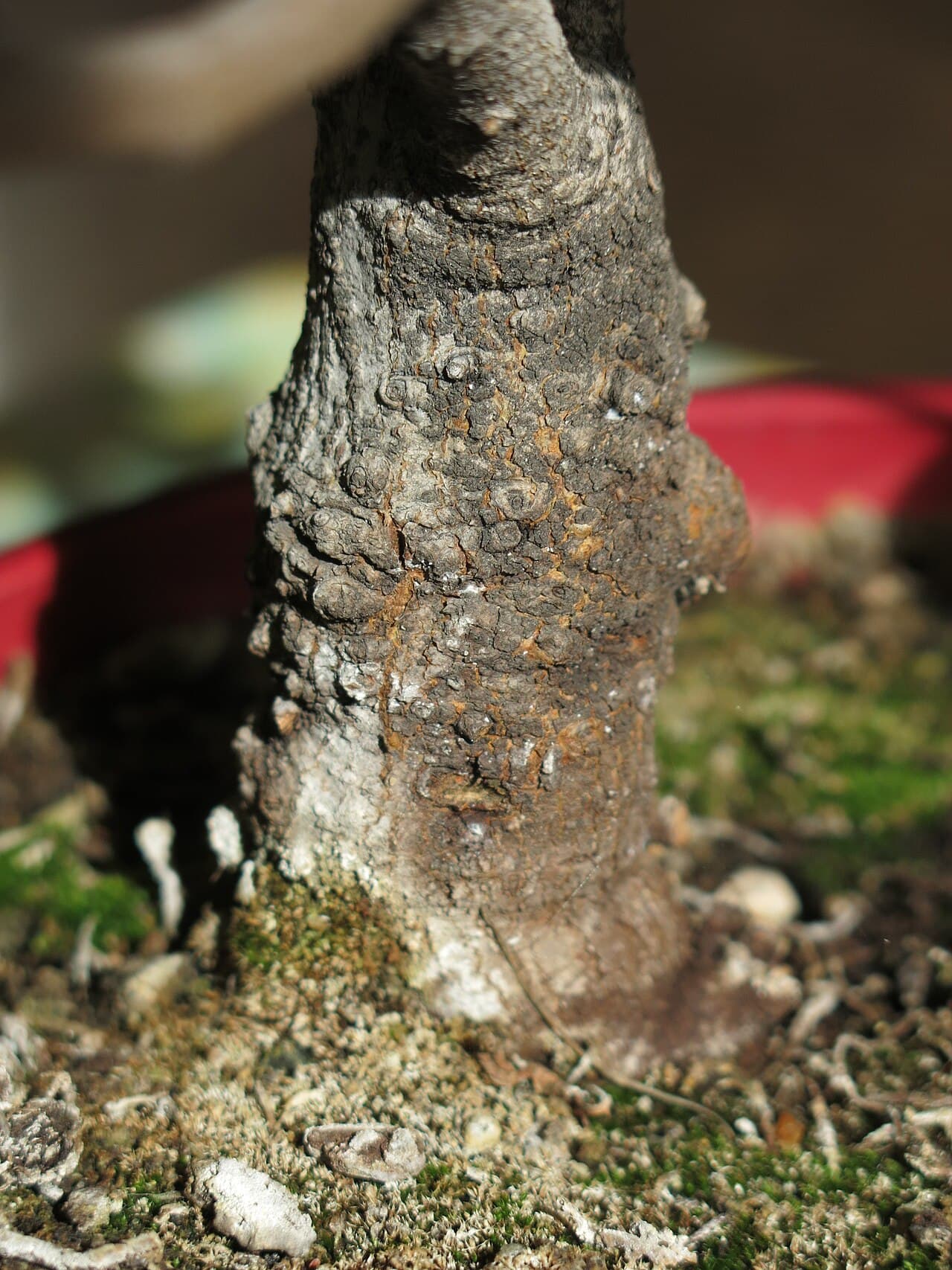
Container Cultivation (Root Restriction Method)
Root restriction cultivation is a growing method that deliberately limits the volume of soil available for root expansion by using containers, root bags, or barriers buried in the ground, thereby controlling tree growth. When root extension is constrained, the tree is less likely to enter a vegetative state where nutrients are diverted excessively to foliage, and nutrients are more readily directed toward flower bud formation and fruit enlargement. This approach is widely used not only for figs but also for citrus, grapes, and other vigorous fruit trees.
When to Use It
- When garden space is limited and it is desired to keep the tree from growing too large even when planted in the ground
- When vigorous, easy-growing varieties such as Masui Dauphine or Brown Turkey need to be kept at a manageable size
- When pruning alone does not adequately restrain branch growth and annual cutbacks tend to become severe year after year
- When prioritizing ease of harvest and maintaining a low tree height that does not require a ladder
Practical Method 1: Using Root Bags and Containers
The most convenient method is using nonwoven fabric root bags or large containers. When planting with a capacity equivalent to 10–15 liters, roots naturally develop into fine root systems along the inside of the container and do not spread indefinitely as they would in the ground. Though conceptually similar to container cultivation, root restriction growing offers the advantage of combining ease of management and water retention by placing containers directly on the soil. Maintaining condition becomes easier if the container is excavated every few years, old roots are pruned, and the medium is replaced with fresh soil.
Method 2: Dividing the Root Zone in Ground Planting
When restricting the root zone while planting directly in the ground, use root barrier sheets, concrete panels, or large bottomless containers at planting time to partition the area where roots can spread into a square shape. A frame measuring approximately 60–100 cm per side and 40–60 cm deep serves as a guideline. The bottom of the partition should not be sealed completely; the basic approach is to maintain drainage while restricting only horizontal root spread. If the partition is too small, the soil will dry out quickly, so provide adequate space according to the tree's size.
Points to Note Regarding Watering and Fertilizer
Container cultivation restricts the volume of soil available to roots, causing water depletion and nutrient depletion to occur more rapidly than in in-ground planting. During summer, check soil moisture regularly and water thoroughly when the soil surface becomes dry. Rather than applying the full fertilizer amount at once, apply smaller quantities at multiple intervals during the growing season to reduce stress on roots and minimize salt accumulation from excess nutrients. Refreshing the potting medium every few years is particularly effective in container cultivation, more so than in in-ground planting.
Advantages and Disadvantages
- Merit: The tree is easier to keep compact, and management tasks such as pruning, harvesting, and applying insect netting are simplified.
- Benefit: Excessive vegetative growth is reduced, and flower bud formation and fruit set become more stable.
- Disadvantage: frequent watering and fertilizing are required, as the soil dries out and nutrients deplete quickly.
- Drawback: The initial setup to contain the root zone (sheet or frame installation) requires considerable labor.
Root restriction cultivation represents a middle ground between the stability of in-ground planting and the manageability of container cultivation. This method is particularly worth trying when cultivating vigorous varieties and pruning alone proves insufficient for controlling growth. Vigor characteristics by variety can be confirmed in the variety guide, and observations from growers who have actually practiced root restriction cultivation are available for reference on the discussion board.
Related varieties
Not going the way you hoped?
Ask other growers on the board. A photo gets you a faster answer.
This article was drafted with AI assistance and reviewed by the site operator. Variety details are for reference—please confirm identification through discussion on the board.
Reply0
Login required