
Watering Dormant Figs and Winter Care: Tips for Keeping Potted Figs Alive
Updated: 2026-10-18
Figs enter dormancy during winter after dropping leaves in autumn. Because they resemble dead wood in appearance, it is common for growers to assume watering is no longer necessary and abandon care. However, the roots remain alive, and in potted figs, withholding water continuously during dormancy can delay spring budbreak or cause dieback at branch tips. This article outlines the key points for watering and management during the dormant period.
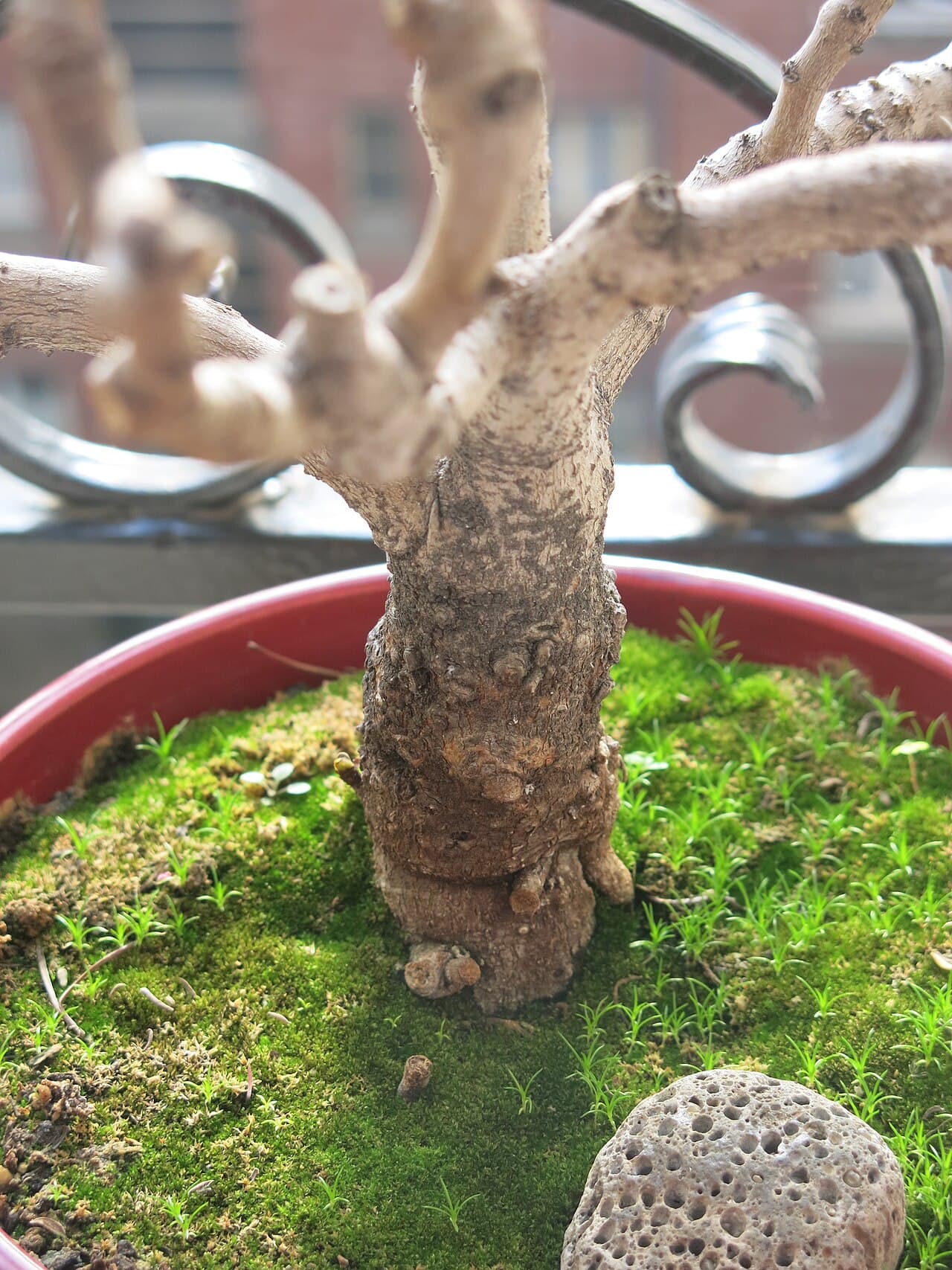
Why Watering Is Necessary During Dormancy
During dormancy, transpiration from the foliage ceases, so water consumption decreases substantially compared to summer. However, the potting medium gradually dries from winter winds and sun exposure, and if it dries completely, fine roots can be damaged. The goal is to maintain the soil in a "moderately moist" state to support the roots and buds that begin activity in early spring.
Watering Frequency and Assessment
Water when the surface of the soil dries out.
Water when the surface soil is dry and no moisture is felt at a depth of one knuckle. During deep winter, watering once every one to two weeks is typical; in warm regions or sunny locations, weekly watering may be necessary. Daily watering is not required.
Watering Time of Day
- Water in the morning when temperatures are rising (evening watering increases the risk of frost damage overnight).
- Water thoroughly until water drains from the drainage holes, then discard any water that collects in the saucer.
- On days when temperatures remain below freezing, withhold water and apply it instead on warmer days a few days later.
Placement Considerations
- Place in a location sheltered from rain, such as under an eave, where conditions do not become excessively moist.
- Position against a wall sheltered from north winds, or place on a raised platform to avoid cold rising from the ground.
- Placing the pot in a styrofoam box and laying straw or leaf mold around the base of the plant can help mitigate drying out and temperature drops.
- In cold climates, wrap the pot with nonwoven fabric, referring also to winter protection measures.
Common Mistakes
- When moved indoors to a heated space, dormancy breaks and excessive elongated growth occurs.
- Conversely, withhold water completely and allow the potting soil to dry out entirely.
- Allowing water to accumulate in a saucer causes root rot.
- Applying fertilizer during dormancy (ineffective because roots are inactive, and can cause damage)
Spring Preparation Checklist
From late February to early March, check for signs of life by gently bending branch tips to test for flexibility and lightly scraping the bark with a fingernail to see if green tissue is visible underneath. If green appears, the wood is alive. Once buds begin to break, gradually increase watering frequency. Cold hardiness varies by cultivar; consult the variety guide for specific information. Post photos of winter survival progress and branch condition to the forum to receive advice from growers in similar climates.
Summary
During dormancy, fig trees require less water, but it is not unnecessary entirely. Water thoroughly in the warm morning hours when the soil surface dries out. Place the tree in a location sheltered from rain and north winds. Do not apply fertilizer. Following these three points ensures stable growth when spring buds emerge.
Not sure what your fig is?
Post a photo of the leaves and fruit and see what other growers think. "Maybe" is a perfectly good answer here.
Post your figNot going the way you hoped?
Ask other growers on the board. A photo gets you a faster answer.