
How to Grow Potted Figs | Watering, Location, and Repotting
Updated: 2026-07-13
Container-grown figs can produce satisfying harvests on balconies and entryways where in-ground planting space is unavailable. However, because the growing volume is limited, watering, location, and repotting require more careful management than in-ground cultivation to achieve good results. This article covers practical guidance on pot size selection and soil choice, summer drought management, repotting, and winter hardiness.
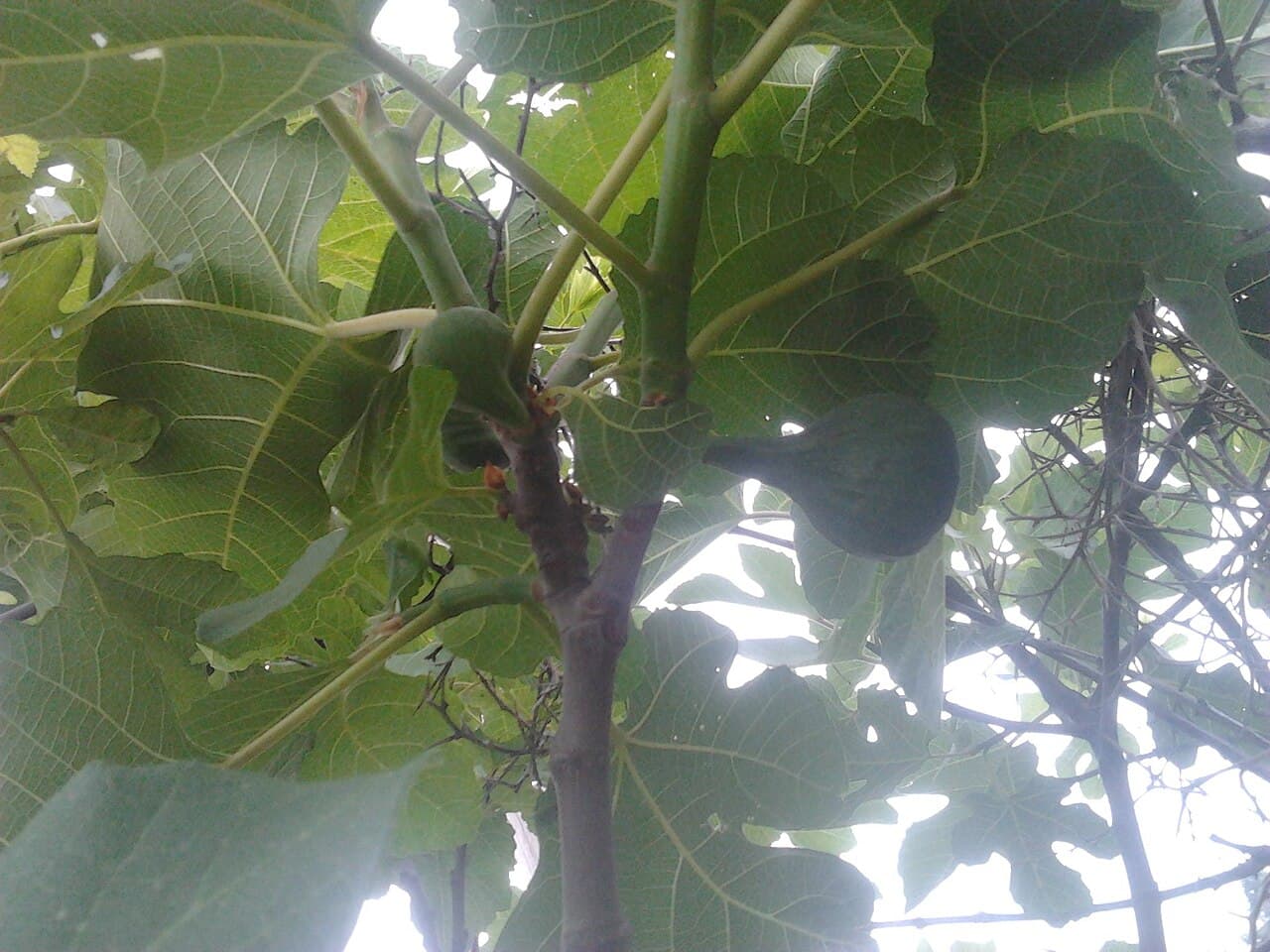
Selecting Container Size and Potting Medium
Pot Size
Start with an 8–10 pot size while the fig is young, then increase pot size gradually as growth proceeds. This approach minimizes failure risk. Planting directly into a large container causes soil to retain moisture excessively, leading to root rot. A final pot size of 10–15 (diameter 30–45 cm) is typical. Terracotta and fabric pots offer good air permeability and promote stable root development.
Soil
- Blend the following as a base: Akadama soil (medium grain) 6 parts, leaf mold or compost 3 parts, charred materials such as perlite 1 part.
- Commercial fruit tree potting soil is acceptable. Prioritize a balance between drainage and water retention.
- Figs prefer neutral to slightly alkaline soil, and growth becomes more stable when a small amount of dolomitic limestone is mixed in.
Watering Basics and Drought Management
Figs prefer moist conditions while disliking consistently waterlogged soil. Water thoroughly when the soil surface dries out until water drains from the pot bottom. Allowing the soil to dry excessively causes fruit to remain small and can lead to fruit drop and fruit cracking.
- Water twice daily, morning and evening, during summer. Pay particular attention during extreme heat days, as the soil dries out more quickly.
- Use double pots or elevate the pot base to suppress soil temperature rise.
- Mulch the soil surface with bark chips or straw to prevent the topsoil from drying out.
- Do not leave water standing in saucers (this can cause root rot and create breeding grounds for mosquitoes).
Site Selection and Balcony Cultivation Tips
Figs prefer sunlight and ideally receive at least 6 hours of direct sun daily. A south- or east-facing location with good light and air circulation is most suitable.
- Balconies have intense reflected heat, so in mid-summer elevate pot bottoms using slats or bricks to allow air circulation underneath.
- Avoid placing pots directly on concrete, as it tends to become excessively hot.
- The plant tends to topple in strong wind, so provide staking or secure it against a wall.
Timing and Method for Repotting
Container-grown figs require repotting every 1 to 2 years, as roots become congested. The optimal period is from leaf drop through early spring (December to March), avoiding the coldest part of winter. Repot when signs appear such as slowed growth or poor drainage.
- Remove from the pot and loosen roughly one-third of the old soil away from the root ball.
- Remove blackened, damaged roots and thick roots that have circled inside the pot.
- Repot into a container one size larger, using fresh potting soil.
- After repotting, water thoroughly and keep in partial shade for several days to allow the plant to recover.
Performing cutback pruning on the branches simultaneously allows the tree form to be maintained compact and makes it easier to manage in container cultivation.
Overwintering Management
Figs are deciduous trees that enter dormancy and shed their leaves in winter. In lowland areas west of the Kanto region, most varieties can overwinter outdoors, though container-grown figs are more susceptible to cold damage to the roots than in-ground plantings.
- In cold regions, position the pot against the eaves or a wall and protect it with styrofoam or horticultural fleece.
- Water sparingly during dormancy. However, do not allow the soil to dry out completely.
- Cold-hardy varieties such as Chicago Hardy and Ronde de Bordeaux are manageable for container cultivation even in cold regions.
Varieties Suited to Container Growing
Selecting a variety that grows compactly and bears fruit readily in containers makes management considerably easier.
- Masui Dauphine: The most widely cultivated large-fruited variety in Japan; relatively easy to grow.
- Toyomitsuhime: A Japanese-bred variety with pronounced sweetness
- Violette de Bordeaux: Moderate vigor; suitable for small spaces
- Celeste: Cold-hardy with reliable fruit production
When the variety of a plant on hand is unknown, comparing it in the variety guide or consulting on the forum with photos can provide helpful clues.
Container-grown figs can produce sweet fruit every year on a balcony when the fundamentals—pot size, soil, watering, placement, repotting, and winter care—are observed. Begin with a manageable size and gradually increase scale while monitoring the plant's condition.
Not sure what your fig is?
Post a photo of the leaves and fruit and see what other growers think. "Maybe" is a perfectly good answer here.
Post your figRelated varieties
Not going the way you hoped?
Ask other growers on the board. A photo gets you a faster answer.