
Fig Variety Identification: 4-Step Guide
Updated: 2026-07-13
"What variety is this fig?" — A lost label on a potted plant, an old tree propagated from a parent's garden, a cutting purchased at a flea market — situations where the name of a fig on hand becomes unknown are not uncommon. There is no single magic characteristic that definitively identifies a variety, but systematically narrowing down by skin color, shape, leaves, and origin will greatly reduce the candidates. This article introduces a step-by-step identification method that beginners can practice.
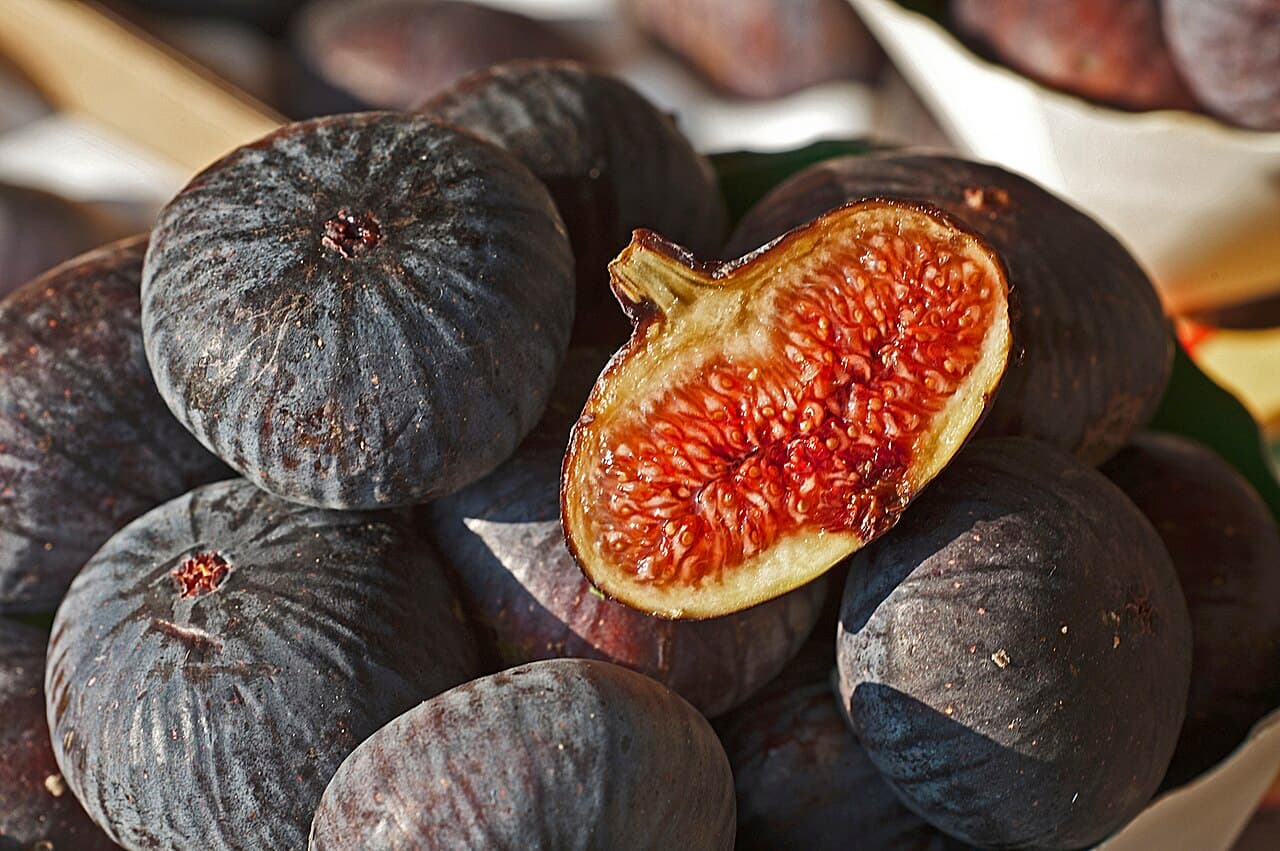
Variety identification is a process of narrowing down, not reaching certainty.
Figs encompass several hundred to over one thousand varieties worldwide, and the appearance of fruit varies depending on tree age, climate, and growing conditions even within the same variety. Furthermore, alternative names (synonyms) and regional designations are numerous, making it difficult even for specialists to identify a variety with absolute certainty from photographs alone. For this reason, a practical approach is to narrow candidates by layering multiple clues rather than relying on a single characteristic for definitive identification.
Step 1: Classify by fruit skin color as a primary categorization method
The first screen is fruit skin color. Ripe fruit color separates figs into broad groups.
- Yellow to green types: Kadota, Desert King, White Genoa, and others. Light-colored varieties that do not darken in color even when ripe are characteristic of this group.
- Purple varieties: Violette de Bordeaux, Celeste, LSU Purple, and others—a group widely distributed in Japan.
- Black types: Varieties with deep coloring and strong luster, such as Black Madeira and Mount Etna.
- Brown tones: Types that ripen to a reddish-brown color, such as Brown Turkey.
- Striped varieties: Panache Tiger and Flanders display yellow stripes on a green ground, a readily distinguishing characteristic.
However, color varies depending on sunlight exposure and ripeness, so always judge by the color of fully ripe fruit. The key is not to determine the variety by the color of immature fruit.
Step 2: Narrow by Shape, Size, and Neck
After noting the color, examine the fruit's outline. Check the following points.
- Overall shape: round, pear-shaped, or flattened. Compressed flattened forms, such as that of Coll de Dama Noir, are distinctive.
- Neck (narrowing at the stalk end): Varieties such as Yellow Long Neck that develop an elongated neck are easily distinguished.
- Size: Small or large fruit. Ronde de Bordeaux produces small fruit with concentrated sweetness.
- The opening and color of the eye (ostiole) at the fig's apex.
Step 3: Use leaf shape as a clue
The depth and number of leaf lobes (sinuses) also vary by cultivar. Some have three lobes, others five; some have nearly unlobed, round leaves, while others have deeply palmate divisions. However, leaf shape changes between young and mature trees and between sun and shade conditions on the same tree, so leaf form serves only as a supplementary guide. Observe the average shape of fully expanded mature leaves for reliable identification.
Step 4: Trace Provenance and Fruiting Type
More effective than appearance is determining the origin. The source of acquisition, region, purchase label, and memory of the parent plant for division are powerful information that can quickly narrow down candidates. Varieties with large distribution in Japanese nurseries, such as Masui Dauphine, Roxo de Valinhos, and Toyomitsuhime, are easier to identify because of their wide availability.
結実タイプも材料になります。Desert King は夏果(ブレバ)主体のサンペドロ型、Calimyrna は受粉(カプリ化)が必要なスミルナ型といった性質は、候補を絞る手がかりになります。
When uncertain, consult with photos on the forum.
Even after narrowing down to this point, making a final identification is typical of variety determination. When uncertain, avoid guessing and instead take a shortcut by posting photos to the forum for someone knowledgeable to review. Tips for photography are as follows.
- Cross-section of a fully ripe fruit cut in half lengthwise (flesh color, hollow cavity, seed density)
- Entire fruit skin and close-up of the eye at the fruit apex
- A mature leaf laid flat, full view.
- Overall form of the tree and notes on source and growing region
Photos and characteristics of candidate varieties can be compared in the variety guide. Placing similar varieties side by side increases the accuracy of narrowing down the selection.
Variety identification is a process of narrowing candidates in this order: skin color, form, leaves, and origin. Accuracy improves by combining multiple characteristics rather than relying on a single feature. Complete certainty is often unattainable, so consult the message board as a final step, cross-reference with the variety guide, and enjoy working toward a match.
Related varieties
Not going the way you hoped?
Ask other growers on the board. A photo gets you a faster answer.
This article was drafted with AI assistance and reviewed by the site operator. Variety details are for reference—please confirm identification through discussion on the board.
Reply0
Login required