
Identifying Fig Varieties by Fruit Skin Color | Green, Copper, Black-Purple, and Striped Types with Representative Cultivars
Updated: 2026-09-26
When identifying fig varieties by name, fruit skin color is often the first reference point. A rough distinction can be made between green-toned and dark purple varieties, but color alone is unreliable for definitive identification because the same variety may display different coloration depending on ripeness and sun exposure. This section outlines the broad color groupings and key characteristics to observe alongside color.
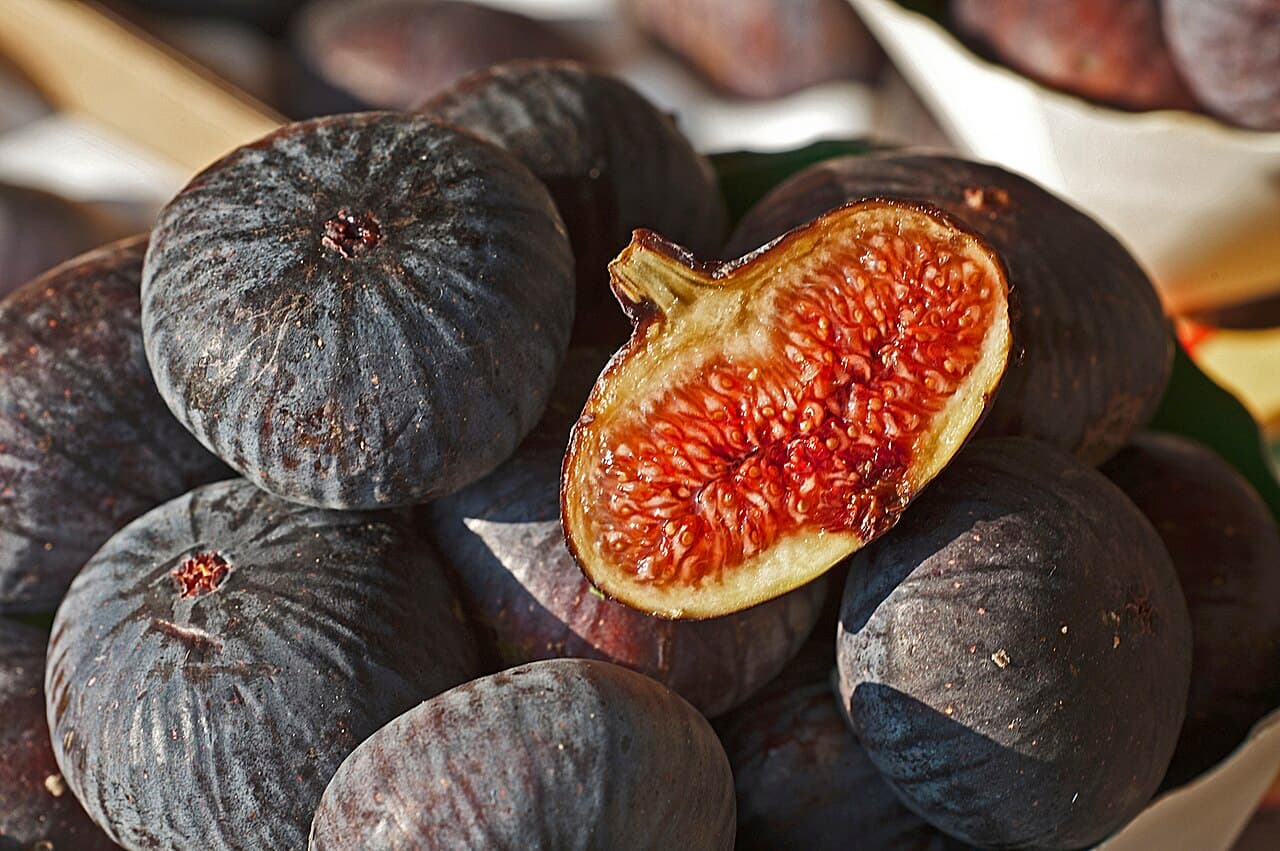
Four Groups by Skin Color
Fig skin color can be organized into four main categories: green to yellow-green, copper to brown, black-purple to red-purple, and striped (tiger) types. Green-type figs generally show little color change even at full ripeness. Black-purple types, by contrast, are typically green when immature and develop deeper pigmentation as they ripen. Copper to brown types generally display intermediate color development between these two patterns. Striped types are characterized by the retention of vertical green and yellow stripes even at maturity.
Reasons Color Alone Cannot Determine Ripeness
- Even on the same variety, fruit on branches receiving longer hours of sunlight tends to develop deeper pigmentation, while fruit in shaded areas may color more lightly.
- Harvesting before the fruit reaches maturity prevents full color development, making it difficult to distinguish from green-type varieties.
- Depending on individual plant variation and growing conditions (temperature and soil), the same variety can exhibit a range in color intensity across different regions and years.
- Depending on the lighting in photographs and display color rendering, fruit may appear darker or lighter than their actual color.
Representative Variety Examples Narrowed by Color
- Green to yellow-green: White Madeira #1, Yellow Long Neck
- Black-purple to red-purple: Black Madeira, Violette de Bordeaux
- Striped (Tiger) type: Panache Tiger
Three Points to Check Beyond Color
- Harvest timing varies by variety for both main crop and breba figs and for early and late season types; checking color alongside variety characteristics helps narrow down ripeness.
- Fruit size and shape—whether round, elongated, or pear-shaped with a pronounced neck—vary by variety.
- The flesh color when split (red, amber, or pale tones) is information that cannot be determined from the skin color alone.
Skin color serves as an effective initial clue for narrowing down varieties, but identifying a fig as a specific cultivar based on color alone is difficult. Confirm the leaf shape, internal fruit color, and harvest timing as well. When in doubt, post a photo to the discussion board to gather opinions. The accumulated posts can also be viewed in the variety guide, which may serve as a reference for making a determination.
Not going the way you hoped?
Ask other growers on the board. A photo gets you a faster answer.
This article was drafted with AI assistance and reviewed by the site operator. Variety details are for reference—please confirm identification through discussion on the board.
Reply0
Login required