
Fig Variety Comparison Guide|Differences in Sweetness, Texture, and Aroma
Updated: 2026-07-18
The flavor profile varies considerably among fig varieties. Comparing Masui Doufin and Improved Celeste side by side reveals differences in sweetness quality, flesh texture, and aroma—each distinctly different. This article organizes flavor differences along three axes—sugar content, texture, and aroma—and presents varieties by type as an aid to selection.
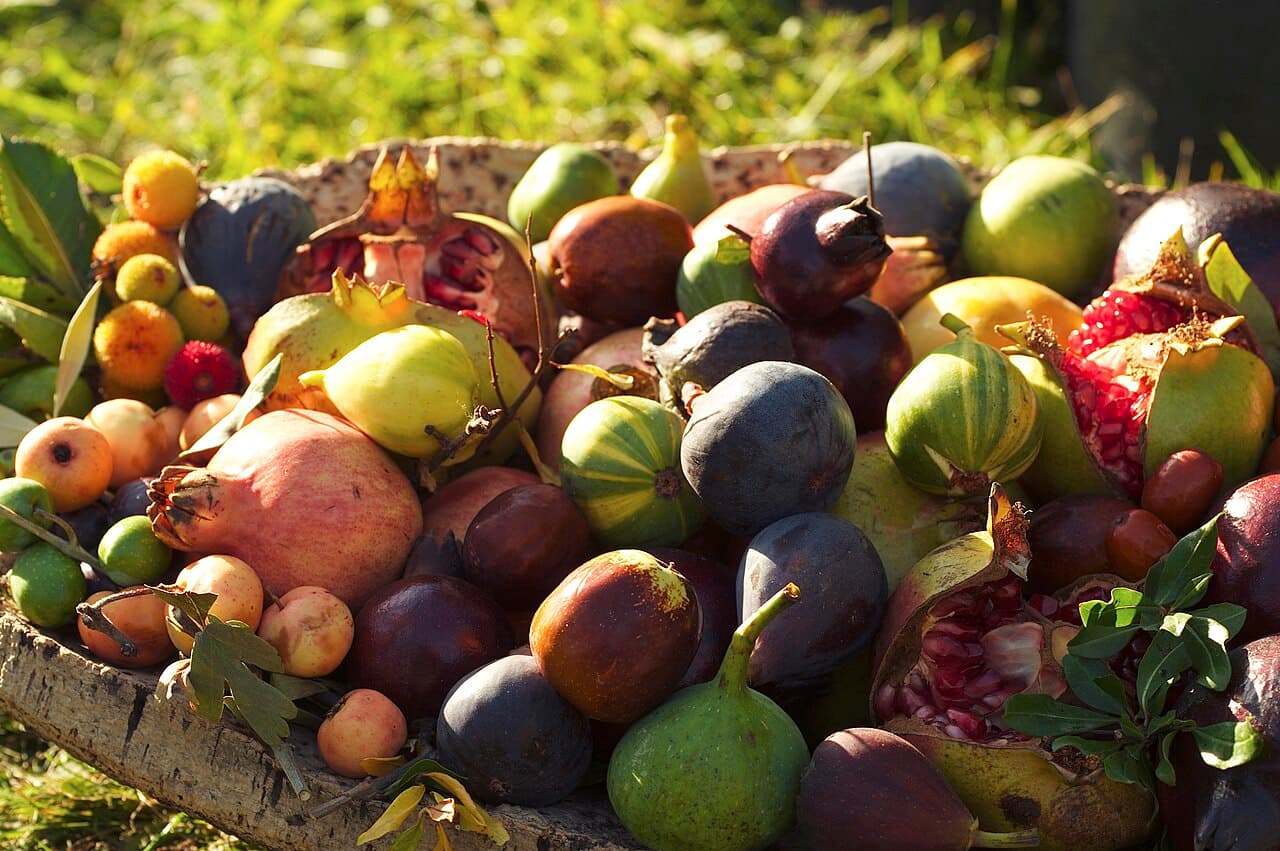
Three Axes of Flavor
Sweetness alone does not determine eating quality. Flesh texture—whether firm or melting—skin thickness, and varietal characteristics such as honey notes, berry notes, or nutty flavors significantly influence the overall impression. Two figs with identical sugar content may deliver entirely different satisfaction levels: one offering rich, full-bodied sweetness, the other a lighter, refined sweetness.
Rich, jam-like sweetness type
- Improved Celeste: Small fruit with exceptionally high sugar content and honey-like rich sweetness. Thin skin makes it easy to eat fresh.
- Violette de Bordeaux: Purple-black skin with berry-like aroma and dense, moist flesh that has a jam-like richness.
- Ronde de Bordeaux: Small fruit with high sugar content and honey-like sweetness. Very early ripening with an early harvest period.
- Toyomitsuhime: A variety originating from Fukuoka, distinguished by melting flesh and pronounced sweetness.
Light and refined in flavor, with soft fruit flesh.
- White Genoa: Yellow-green skin with reddish flesh. Mild, clean sweetness and easy to eat.
- Kadota: Yellow-green skin with amber-colored flesh. Modest sweetness suited to cooking and drying.
- Adriatic: Characterized by contrast between green skin and red flesh. Commonly used for dried figs and jam.
- Hōraishi: An heirloom variety native to Japan, characterized by a modest and gentle sweetness.
Balanced, classic standard
- Masui Dauphine: A large-fruited variety with good balance of sweetness and acidity. It is the standard cultivar most widely grown in Japan.
- Brown Turkey: A worldwide standard. Characterized by mild, approachable sweetness and firm flesh.
- Black Mission: Characterized by deep purple-black skin, jam-like dense flesh, and a well-developed complex flavor.
Types with distinctive flavor profiles
- Calimyrna: A Smyrna-type fig with a distinctive nutty, toasted flavor. However, it requires pollination by fig wasps and is difficult to fruit in home gardens.
- Desert King: Green skin with red flesh and berry-like fresh aroma. The breba crop (summer fruit) borne on previous year's wood sets fruit without pollination.
Selecting Varieties by Flavor Preference
Since taste preferences vary by individual, the most direct approach is to sample varieties available at farmers' markets or produce markets firsthand. When selecting a cultivar to grow, compare fruit skin color and lineage in the variety guide while considering both flavor preference and ease of cultivation. To identify an unknown variety based on taste or appearance, posting a photo and tasting notes on the forum may yield insights from experienced growers.
Understanding flavor differences among varieties expands the options when selecting an additional fig tree for the garden or balcony. For those preferring rich sweetness, Improved Celeste and Violette de Bordeaux are suitable; for those preferring a lighter, refined taste, White Genoa and Kadota are good choices; for those also prioritizing ease of cultivation, Masui Dauphine and Brown Turkey are reliable options. Once a variety of interest is identified, consult the variety guide for more detailed information.
Related varieties
Not going the way you hoped?
Ask other growers on the board. A photo gets you a faster answer.
This article was drafted with AI assistance and reviewed by the site operator. Variety details are for reference—please confirm identification through discussion on the board.
Reply0
Login required