
How to Make Fig Jam|Recipe and Tips for Using Fully Ripe and Damaged Fruit
Updated: 2026-08-08
Figs do not ripen after harvest, so even a slight delay in harvesting timing can result in overripe fruit or split skins. Figs that are no longer suitable for fresh eating can be made into jam and used without waste. This article outlines a basic fig jam recipe suitable for home preparation, along with guidance on achieving proper consistency and acidity, and storage duration guidelines.
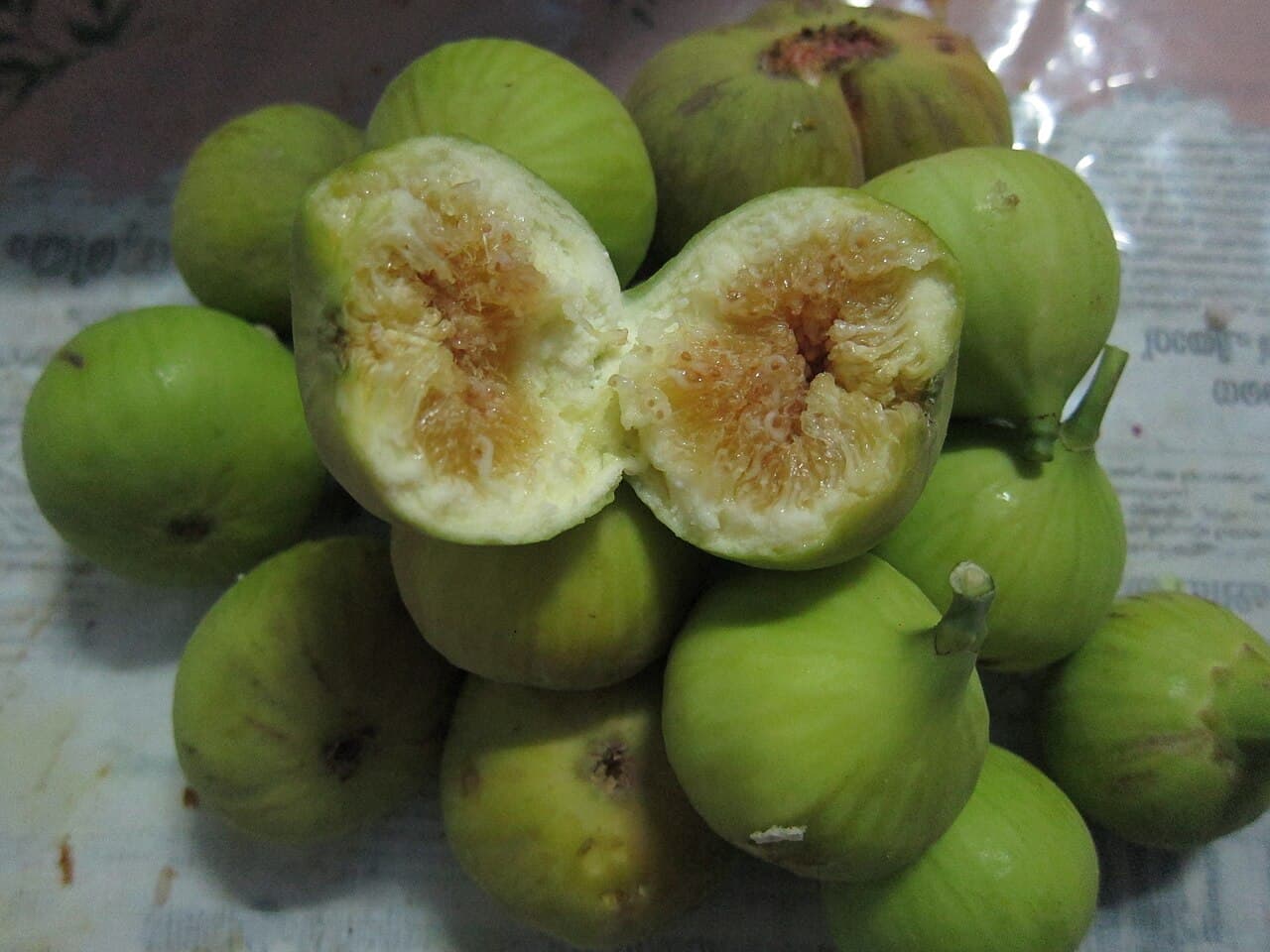
Figs Suited for Jam Making
For jam, fully ripe fruit with adequate sweetness is best suited. Fruit with slightly torn skin or irregular shape can be used without issue if the damaged portions are trimmed away. However, avoid fruit with mold on the surface or a strong off-odor. Since sugar content and acidity vary by variety, consulting the variety guide to confirm characteristics and adjusting the amount of sugar and lemon juice to suit the fruit on hand will reduce the likelihood of failure.
Basic Materials
- Figs (net weight) 500g
- Granulated sugar 150–200 g (aim for 30–40% of the fig's weight)
- Lemon juice, 1–2 tablespoons
Basic Growing Methods
- Rinse the figs thoroughly, remove the stem, and cut into bite-sized pieces (the skin may be left on).
- Place the figs and sugar in a pot, stir to coat evenly, and let sit for 30 minutes to 1 hour until liquid releases.
- Heat over medium flame, and once boiling, remove scum while reducing over low to medium-low heat.
- Stir occasionally from the bottom to prevent sticking, and simmer for approximately 15–20 minutes until the desired thickness is reached.
- Add lemon juice at the finish and mix through to balance acidity and improve keeping quality.
- Fill a sterilized jar with the hot product while still hot, cap immediately, and invert to allow air to escape.
Tips for Success
Ripeness Indicators
Figs are low in pectin, so simmering alone may not produce the desired consistency. To test doneness, drop a small amount onto a cold plate; if it does not spread when a line is drawn through it, the cooking is complete. If the consistency is insufficient, increase the lemon juice slightly or add commercial pectin according to package directions for stable results.
Balance of acidity and sweetness
When fully ripe fruit with strong sweetness predominates, using lemon juice in slightly greater proportion will sharpen the flavor. Conversely, with acidic varieties or when slightly immature fruit is present, increasing the proportion of sugar aids balance. Since sugar quantity affects shelf life, if reducing it significantly, estimate a shorter storage period.
Differences Between Eating With Skin and Without Skin
Cooking the figs with the skin intact produces a deeper color and preserves the textural appeal of the small seeds. For a smoother consistency, remove the skin before cooking, or after cooking, lightly blend the figs using a food processor or hand blender.
Storage Duration Guidelines
When packed hot into sterilized jars and degassed, unopened jars stored in a cool, dark place will keep for approximately 1 to 3 months. If degassing is incomplete or the preserve is made with reduced sugar, the storage period will be shorter; store such jars in the refrigerator and consume within a reasonable timeframe. After opening, refrigerate and use within 2 to 3 weeks for safety.
Arrangement Tips
- Adding cinnamon or vanilla beans when cooking develops greater depth in the aroma.
- Adding a small amount of red wine or brandy imparts a more sophisticated flavor.
- Adding chopped walnuts or almonds provides textural accent.
- Reducing the cooking time and allowing the preserve to set loosely makes it suitable for use as a sauce on yogurt or pancakes.
When harvests overlap and fresh consumption becomes difficult to manage, jam preparation allows for extended enjoyment. Those wishing to compare flavor differences among varieties and discover preferred proportions should consider sharing results and experiences on the community forum. Recipes and techniques from other growers provide valuable reference points.
Not sure what your fig is?
Post a photo of the leaves and fruit and see what other growers think. "Maybe" is a perfectly good answer here.
Post your figRelated varieties
Not going the way you hoped?
Ask other growers on the board. A photo gets you a faster answer.