
How to Make Fig Pickles | Preservation Recipe Balancing Sweetness and Acidity
Updated: 2026-09-29
When the harvest concentrates ripe fruit within a short period, fresh consumption and freezing may not process the entire yield. Vinegar pickling is a preservation method that requires minimal heating and combines the strong sweetness of figs with acidity, producing a different finish than jam or compote. This section covers basic sweet vinegar pickling technique, suitable fruit condition, and storage duration guidelines.
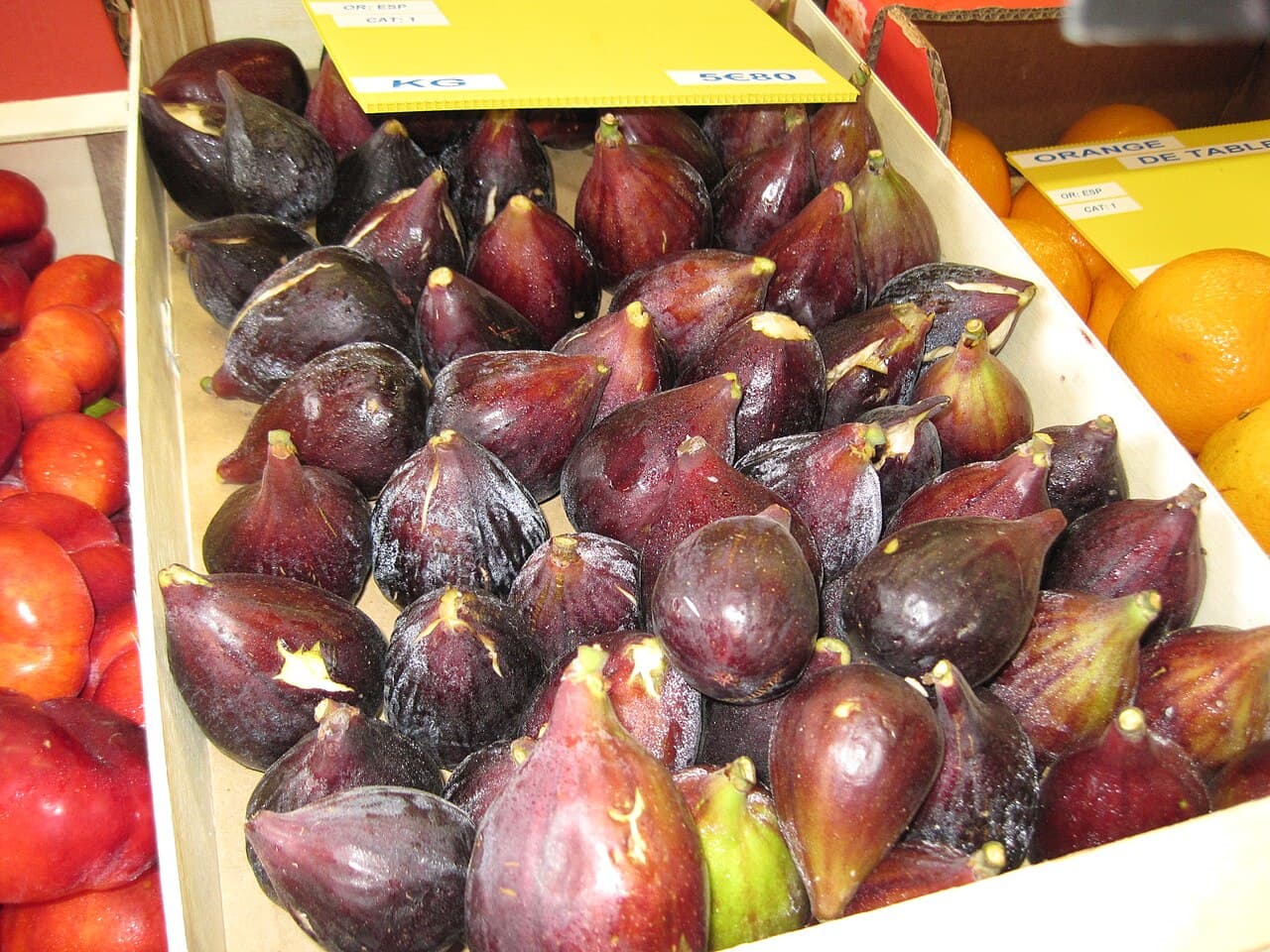
Materials and Preparation
Figs slightly underripe and firm are best suited for pickling. Overripe soft fruit tends to break down during the pickling process and is better reserved for compote or jam.
- Figs (slightly firm): approximately 400g
- Rice vinegar or grain vinegar: 200ml
- Sugar: 100–150 g (adjust sweetness to taste)
- Water: 100ml
- Salt: 1/2 teaspoon
- Spices to taste (black pepper, clove, bay leaf, etc.)
Growing Instructions
- Rinse the figs and trim the stem ends shallowly. Cut them lengthwise in half or into quarters, leaving the skin intact.
- Place vinegar, water, sugar, and salt in a pot and heat over medium heat. Once the sugar dissolves, remove from heat to make the sweet vinegar liquid.
- Place the figs and spices in a sterilized storage container, then pour the hot pickling liquid over them.
- Allow to cool to room temperature, then cover and transfer to the refrigerator. Let sit for 12 hours to 1 day to allow the flavors to meld.
Storage Duration and Serving Suggestions
Store in the refrigerator and retrieve with clean chopsticks or a spoon; the preserve will keep for approximately 2–3 weeks. For longer storage, transfer to sterilized jars, though refrigeration is sufficient for home use in small quantities.
- Serve with cheese and prosciutto as an appetizer.
- Chop and use as a topping for yogurt or salads.
- The pickling liquid can be diluted with carbonated water and used as a beverage.
Variety Characteristics Suited to Pickling
Varieties with firm skin and fruit that resists collapsing are better suited to holding their shape during preservation. Masui Dauphine, which has high market circulation in Japan, is one such variety with characteristics suited to processing. When the variety of a tree on hand is unclear, comparing fruit skin and flesh characteristics in the variety guide or asking other growers on the forum is a practical approach.
Pickling is a preservation method that requires no special equipment and can be attempted immediately when figs are abundant at harvest. By selecting firmer fruit and adjusting the sweet vinegar ratio to preference, pickling offers a eating option distinct from jam or dried figs.
Related varieties
Not going the way you hoped?
Ask other growers on the board. A photo gets you a faster answer.
This article was drafted with AI assistance and reviewed by the site operator. Variety details are for reference—please confirm identification through discussion on the board.
Reply0
Login required