
How to Make Dried Figs | Tips for Drying Figs at Home
Updated: 2026-07-13
Harvested figs ripen rapidly and spoil within days at room temperature if left fresh. The standard method for preserving surplus figs long-term while maintaining quality is drying—either sun-drying or oven-drying to slowly remove moisture and create dried figs. The concentrated sweetness and dense, sticky texture of dried figs offer entirely different appeal from fresh fruit, with fully ripe, high-sugar varieties yielding the finest results. This article explains variety selection for drying, preparation steps, drying techniques using sunlight, oven, or food dehydrator, and storage practices.
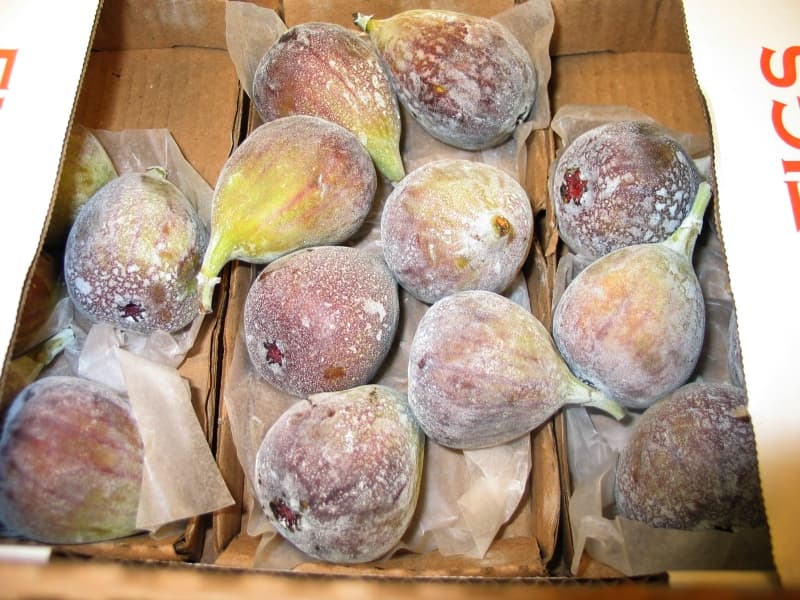
Varieties Suited for Dried Figs
Varieties suited to drying are those with firm flesh, high sugar content, and relatively small to medium fruit size. Adriatic, Kadota, Black Mission, and Calimyrna, which requires pollination, are representative selections that have been chosen for drying purposes in Europe and North America since ancient times. Brown Turkey and Toyomitsuhime, commonly grown in Japan, also produce sufficiently flavorful dried figs when the fruit reaches full ripeness with high sugar content. Large-fruited varieties with higher water content require longer drying time, though this tendency may allow flavors to concentrate more intensely.
Pre-Drying Preparation
A preliminary step before drying changes both the final result and shelf life.
- Wash thoroughly with the skin intact, then pat dry completely.
- Select only fully ripe fruit that is soft and sweet to the taste (unripe fruit will not become sweet even when dried).
- Small to medium fruits can be halved lengthwise after removing the stem; large fruits should be sliced thinly to shorten drying time.
- When concerned about discoloration or mold, the figs may be briefly dipped in dilute salt water or baking soda solution and then patted dry.
There are three main methods for drying figs.
Sun-drying
This is the most traditional method. Arrange the figs cut-side up on a colander or mesh screen without overlapping, and place them in a sunny location with good air circulation. Cover with fine-mesh netting to protect from insects, and bring them indoors in the evening to prevent exposure to dew. Depending on weather conditions, the surface will dry in 3 to 7 days while the interior becomes moist and tender.
Drying in an Oven
An oven is convenient for finishing the process quickly regardless of weather conditions. Line a baking sheet with parchment paper, arrange the figs on it, set the oven to a low temperature of 60–70°C, and dry them for 4–8 hours with the door slightly ajar to allow moisture to escape from the oven. Since they scorch easily, check on them several times during drying and turn them over.
Food dehydrator
This method produces the fewest failures because temperature and time remain constant. Dry at approximately 55–60°C for 8–12 hours as a guideline, turning the figs halfway through to minimize uneven drying.
Assessing Dryness and Storage Methods
The fruit is ready to eat when it retains some elasticity when pressed with a finger and the surface is moist without being sticky. Incomplete drying can cause mold, so erring on the side of longer drying time is safer. After cooling to room temperature, store in airtight containers or storage bags. Refrigeration is preferable to room temperature storage, and freezing is recommended for long-term storage. Even when frozen, the fruit retains a moist texture without becoming completely solid.
When the variety name is unknown
When uncertain about which variety a fruit belongs to, compare fruit skin color and flesh characteristics in the variety guide, or consult the discussion board by posting photographs. Other users may provide helpful information, including whether the fruit is suitable for drying.
Dried figs achieve a fully developed flavor at home when fully ripe fruit is selected, properly prepared, and slowly dried using sunlight, an oven, or a food dehydrator. In years when the harvest exceeds consumption, drying and storage is a worthwhile technique to consider.
Related varieties
Not going the way you hoped?
Ask other growers on the board. A photo gets you a faster answer.
This article was drafted with AI assistance and reviewed by the site operator. Variety details are for reference—please confirm identification through discussion on the board.
Reply0
Login required