Extending Fig Harvest Season | Combining Early, Summer, Mid, and Late-Season Varieties
Updated: 2026-09-07
Fig ripening times vary significantly by variety. When growing a single tree, the harvest period typically extends only one to two months. However, by combining varieties with different ripening periods, the harvest can be staggered from early summer through late autumn. This article presents representative varieties organized by ripening type and outlines key considerations when selecting combinations.
Ripening periods differ between "summer crop" and "autumn crop."
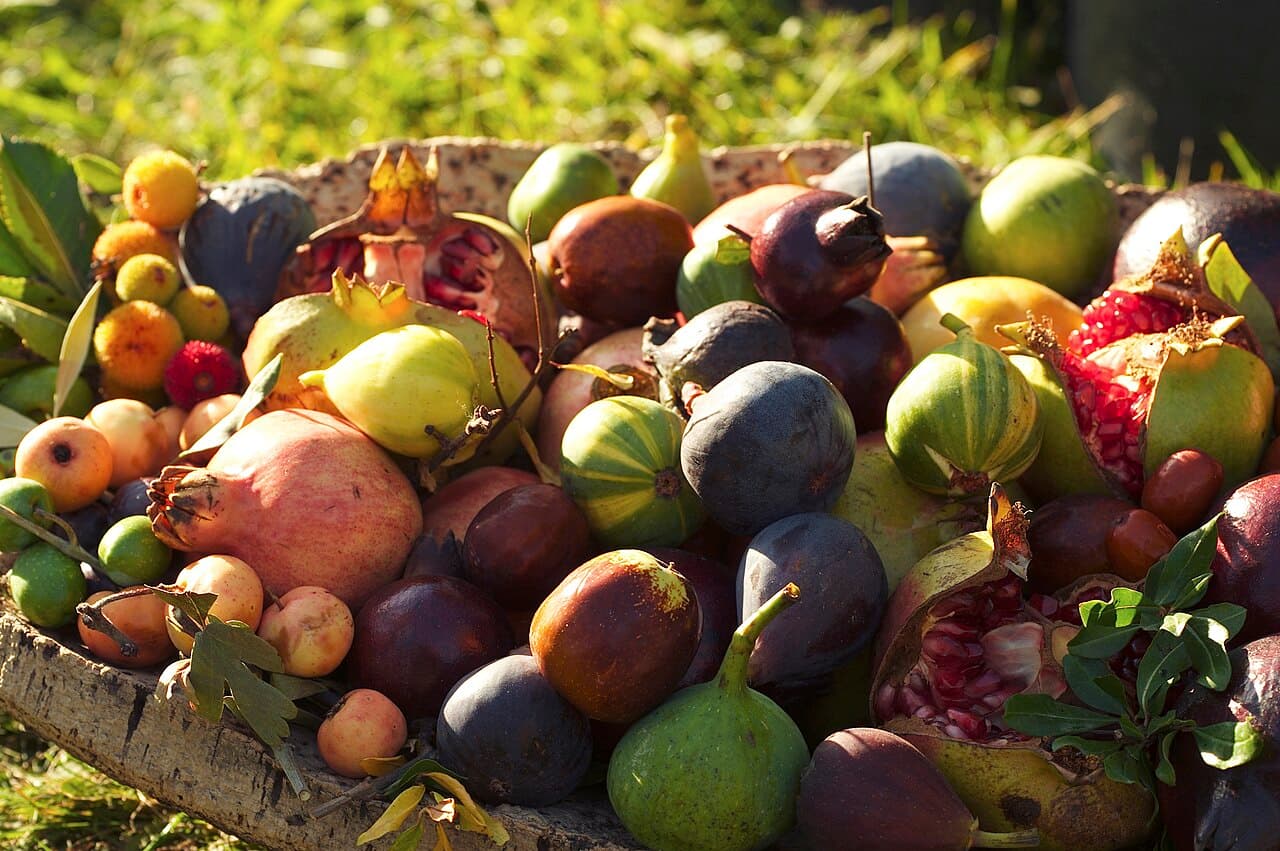
Many fig varieties produce fruit twice: the "summer crop" (breba) on the previous year's branches and the "fall crop" on new growth from the current season (biennial bearing). Even on the same tree, the summer and fall crops ripen at different times, so the harvest period becomes somewhat distributed across a single tree. When combining varieties, understanding the summer crop and fall crop characteristics alongside other traits facilitates planning. The mechanics of summer and fall crops are explained in detail in the difference between summer and fall figs.
Examples of early-ripening varieties
Early-ripening varieties begin to color before the main crop and allow harvesting to begin early in the season. Florea is particularly early-maturing and is known for ripening reliably even in short summers. Other representative early varieties include Malta Black, which is suitable for containers and colors early; Pastilière, which permits harvesting from the beginning of the season; and O'Rourke, which is both productive and early-ripening.
Varieties that fruit early, focusing on breba (first crop)
Selecting varieties with particularly good breba (summer) crop production allows harvesting from early summer without waiting for the main autumn crop. Desert King is known as a summer-crop-focused type, with the characteristic that breba ripens reliably even in cooler regions. Brunswick, which produces large fruit with abundant summer crop, is also a candidate as a variety for targeting the summer harvest.
Mid-season / Standard Varieties
The most widely cultivated varieties in Japanese home gardens, Masui Dauphine, Brown Turkey with its reputation for an extended harvest season, and Celeste popular for ease of cultivation, are mid-season types that ripen at standard times for both breba and main crops. Establishing these standard varieties as the foundation and combining early-season and late-season varieties before and after them makes it easier to structure the overall harvest period.
Examples of Late-Season Varieties
To extend harvest into the later part of the season, select varieties classified as late-season types. Ghoudane, a fresh-eating variety originating in North Africa, is known for its late-season ripening and produces fruit well into autumn. Other options for extending the harvest season include the Chinese-type Fengchan Huang, which continues to set fruit into late autumn, and Longue d'Aout, which ripens in late summer. Note that in regions where temperatures drop, late-season varieties may finish the season before fruit fully ripens; select varieties according to the climate of the growing location.
Considerations When Combining Varieties
- Check variety guide to confirm that the cold hardiness zone suits the local region before selecting a cultivar.
- As the number of plants increases, so does the required space. For in-ground planting, arrange adequate spacing between plants; for container growing, secure pot sizes and placement locations in advance.
- When increasing the number of potted plants, coordinate planning with the timing of pot upsizing and repotting.
- When selecting seedlings, note variations in variety name notation and refer to variety name verification points.
Combining varieties with different ripening periods can significantly extend the harvest window for home fig cultivation. Rather than increasing plant numbers indiscriminately at first, establish a single mid-season variety as the foundation, then add one early-ripening and one late-ripening variety in subsequent years. This approach minimizes wasted space. Should observations arise during cultivation about variety combinations, information exchange with other growers on the discussion board is recommended.
Not sure what your fig is?
Post a photo of the leaves and fruit and see what other growers think. "Maybe" is a perfectly good answer here.
Post your figRelated varieties
Not going the way you hoped?
Ask other growers on the board. A photo gets you a faster answer.