
Things to Watch for in Fig Variety Names When Sourcing Saplings and Cuttings | Pre-Purchase Checklist
Updated: 2026-08-31
"I ordered scion wood online, and when it arrived, it didn't seem to match the variety I expected"—as more people acquire fig scion wood and seedlings through online marketplaces and social media, such concerns have become commonplace. Figs are easily propagated by cuttings, yet this very convenience can lead to labels and names being mixed up during the multiplication process. This article outlines why cultivar name discrepancies occur, precautions specific to different purchasing channels, and a checklist of points to verify before and after purchase.
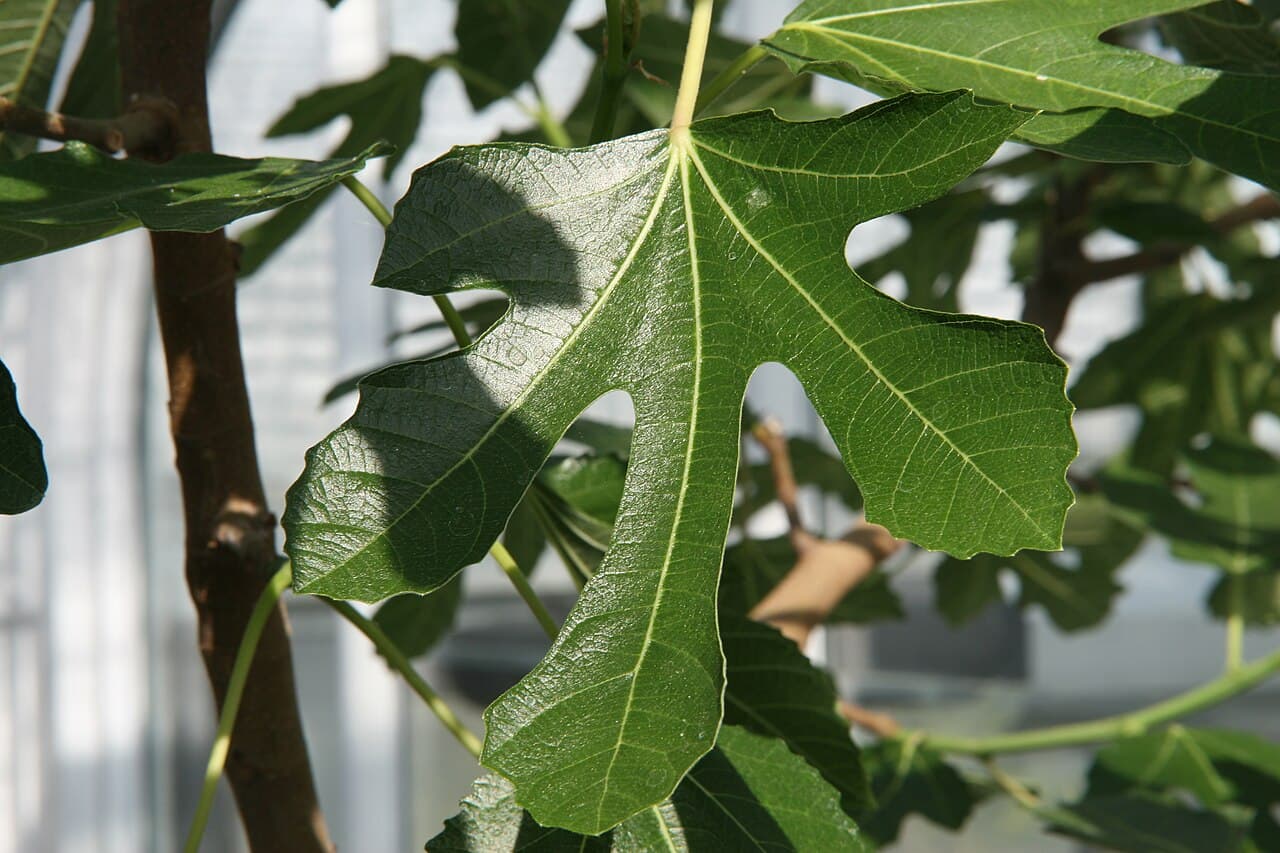
Why Variety Names Are Prone to Discrepancies
Figs propagate readily from cuttings and air layering, making plant division and scion exchange common among growers. During this process, labels can become separated from their actual cultivars for the following reasons:
- Cuttings from multiple varieties become mixed together, and labeling errors occur.
- The same commercial name may refer to different strains depending on the seller or region.
- Informal designations such as "〇〇type" or "varieties similar to 〇〇" come to be treated as formal names over time.
- Records of origin tend to be lost as plants are repeatedly divided and transferred between growers.
Precautions by Source of Purchase
Garden centers and home improvement stores
Commonly available standard varieties dominate the market and are relatively stable in supply, but retailers often attach labels as provided by their suppliers without verifying accuracy at the production stage. If concerned about variety authenticity, inquiring with the retailer about their source or the cultivar's origin is one approach.
Specialty Nurseries and Online Retailers
Online retailers carry a wide selection of varieties, making it easier to find uncommon cultivars. However, photographs may not accurately represent the actual condition of the plant, and variety names may be labeled inconsistently across different sellers. Before purchasing, it is advisable to verify the seller's track record, customer reviews, and whether adequate information about the cultivar's history is provided.
Fig Cuttings: Flea Markets and Private Exchange
While this route offers the greatest ease of acquisition, sellers often lack accurate knowledge of the variety name themselves. When information consists only of "received as supposedly〇〇," treat the variety name of the received plant as reference information only and maintain a cautious stance rather than making definitive claims during cultivation.
Pre-Purchase Checklist
- Consistency of variety name notation (scientific names, commercial names, and common names) within product descriptions
- Whether the seller's track record and reviews are clearly stated, and whether information about the growing environment is specified.
- Check whether photos showing the fruit and leaves are included (request additional photos if they are not available).
- Is there an explanation of the origin (where the scion wood or sapling was sourced from)?
- Record the date received, source, and self-declared variety name immediately upon arrival.
If the variety appears to be different
Nursery trees and cuttings often take several years before bearing fruit, and doubts about varietal identity can grow during that time. maybeItFig allows posting in a state of "I think it's probably ○○, but I'm not certain." By sharing photos of growth progress and fruit on the discussion board to gather opinions from other growers, and by comparing similar characteristics with varieties in the variety guide, clues can gradually be accumulated.
Discrepancies in cultivar names at the time of acquiring nursery stock or propagating wood are not uncommon, and reflect the nature of plants that are frequently exchanged between individuals. Confirming the origin and nomenclature at the time of acquisition and keeping records, along with consulting others when doubt remains rather than forcing a definitive identification, provides reassurance when growing a single fig tree over the long term.
Not going the way you hoped?
Ask other growers on the board. A photo gets you a faster answer.
This article was drafted with AI assistance and reviewed by the site operator. Variety details are for reference—please confirm identification through discussion on the board.
Reply0
Login required