Difference Between Summer and Fall Figs | Growing Techniques for Biferous Varieties
Updated: 2026-07-22
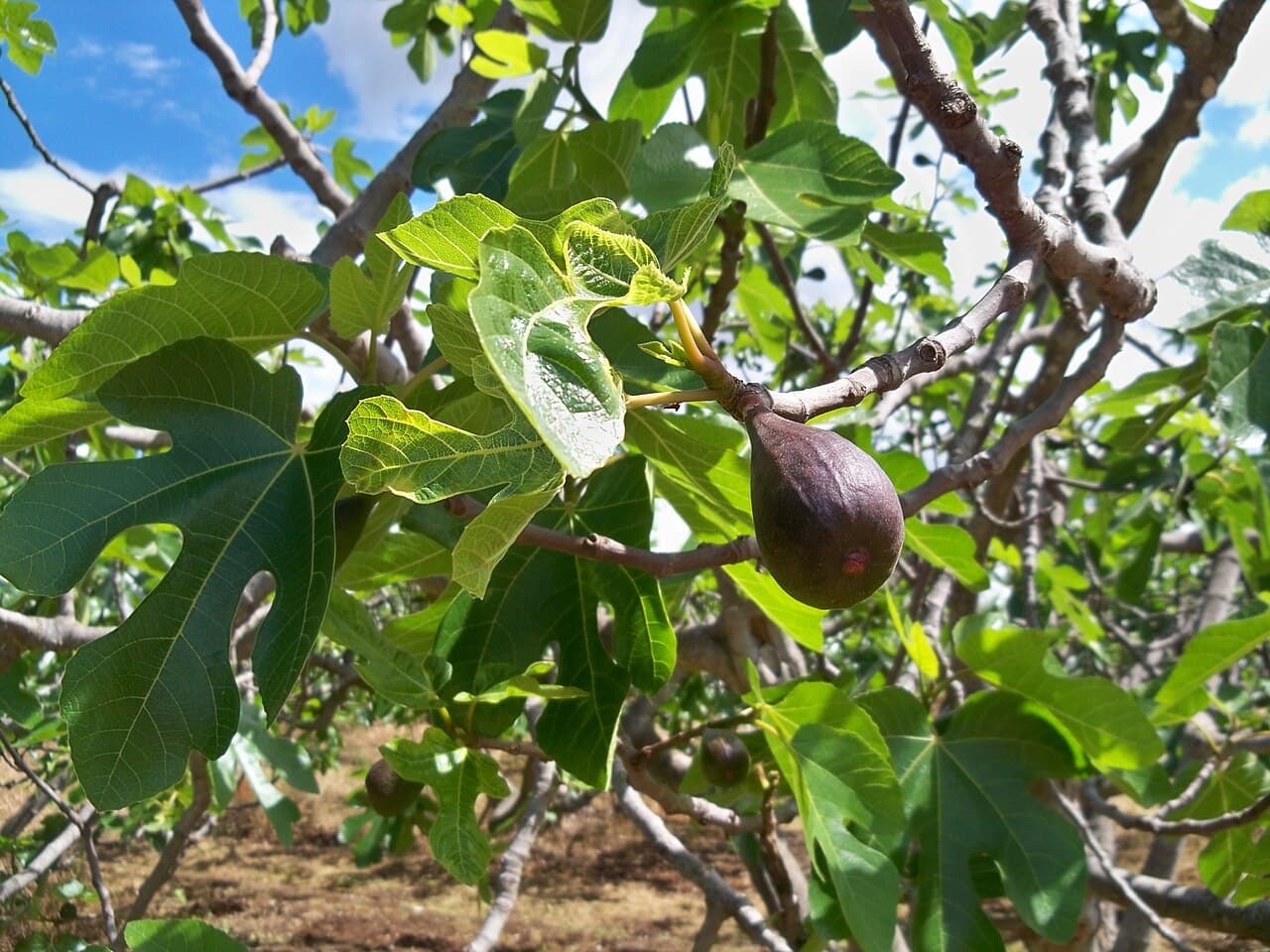
Fig trees produce two types of fruit: "breba figs" (summer figs) that develop on branches from the previous year's growth, and "main crop figs" (autumn figs) that develop on new shoots of the current year. Because fruit forms in different locations and at different times on the same tree, incorrect pruning or management may result in a harvest of only one type. This article explains the mechanism of breba and main crop figs, and outlines cultivation methods for reliably producing both types.
Summer Crop and Fall Crop: How They Differ
Summer figs form fruit buds near the tips of branches that grew by autumn of the previous year; these buds are already present during dormancy and mature around June to July. Autumn figs, by contrast, develop continuously in the leaf axils of new shoots that emerge from spring onward in the current year, maturing from August through October. Summer figs tend to be fewer in number but larger in size, while autumn figs are more numerous and have a longer harvest period.
Two-Crop and Single-Crop Bearing
The trait of reliably producing both breba (early summer) and main (fall) crops is called "dual-season bearing"; the trait of harvesting only the main crop in practical terms is called "single-season bearing (main crop only)". In cold climates, winter frost damage to breba buds or dieback of shallow-dormancy branches often prevents breba fruit set. Even with the same cultivar, whether dual-season or single-season bearing occurs depends on the climate of the growing region.
Conditions for Breba Crop Development
To harvest breba crop consistently, the primary condition is to retain the previous year's branches without cutting them back severely. Additionally, a climate where branch tips do not die back from winter cold is important; as a general guideline, breba crop tends to develop more readily in milder to intermediate zones where cold hardiness is not exceptionally high.
Pruning to Maximize Breba Crop
For summer crop pruning, the key is to avoid cutting back the previous year's growth too severely during winter pruning. Since the buds for summer fruit develop near the branch tips, focus on thinning cuts to organize the branch structure while retaining the terminals of well-developed branches that appear likely to produce fruit.
- Remove crowded and thin, weak branches to ensure adequate sunlight and air circulation.
- For branches intended to produce breba fruit, do not cut back the shoot tips; retain well-developed branch ends.
- In regions where branch tips are easily damaged by typhoons or frost, secure branches with stakes to prevent dieback.
Management for Stable Autumn Crop Production
The number of breba figs increases in proportion to new shoot growth, making spring bud-break fertilization and prevention of drought stress around the time the rainy season ends critical. When new shoot extension is poor, fruit set also declines, so early detection and correction of root-zone dryness or nutrient depletion are necessary. Retaining too many branches through pruning in favor of summer fruit can worsen light penetration and air circulation, which in turn affects the development of autumn figs. Balanced branch management is therefore essential to support both crops.
Varieties that readily produce two crops per season
品種によって夏果のつきやすさには差があります。日本の家庭果樹で定番の桝井ドーフィンや蓬莱柿は夏果・秋果とも収穫しやすい品種として知られ、Brown TurkeyやCelesteも比較的夏果が出やすい品種として挙げられます。とはいえ同じ品種でも地域の気候差で結果は変わるため、他の栽培者の実例は掲示板で聞いてみるのが確実です。品種ごとの特徴は品種図鑑でも比較できます。
Summer crop and breba crop develop on different branches and ripen in different periods. By utilizing the previous year's growth to target the summer crop while managing new shoots to produce a full autumn crop, the harvest yield and harvest season from a single fig tree expand considerably. Adopting this dual-purpose approach makes a substantial difference in overall production.
Not sure what your fig is?
Post a photo of the leaves and fruit and see what other growers think. "Maybe" is a perfectly good answer here.
Post your figRelated varieties
Not going the way you hoped?
Ask other growers on the board. A photo gets you a faster answer.