Fig Flowers and Pollination | Differences Between Common, Smyrna, and Caprifig Varieties
Updated: 2026-08-09
Figs are sometimes described as "fruit that does not flower," but this characterization is inaccurate. In reality, the edible portion is itself an aggregate of flowers, with countless tiny flowers blooming inside where they are not visible from the outside. This article explains the distinctive flowering mechanism of figs and the pollination types that vary by cultivar (common type, Smyrna type, caprifig, and San Pedro type) in clear terms.
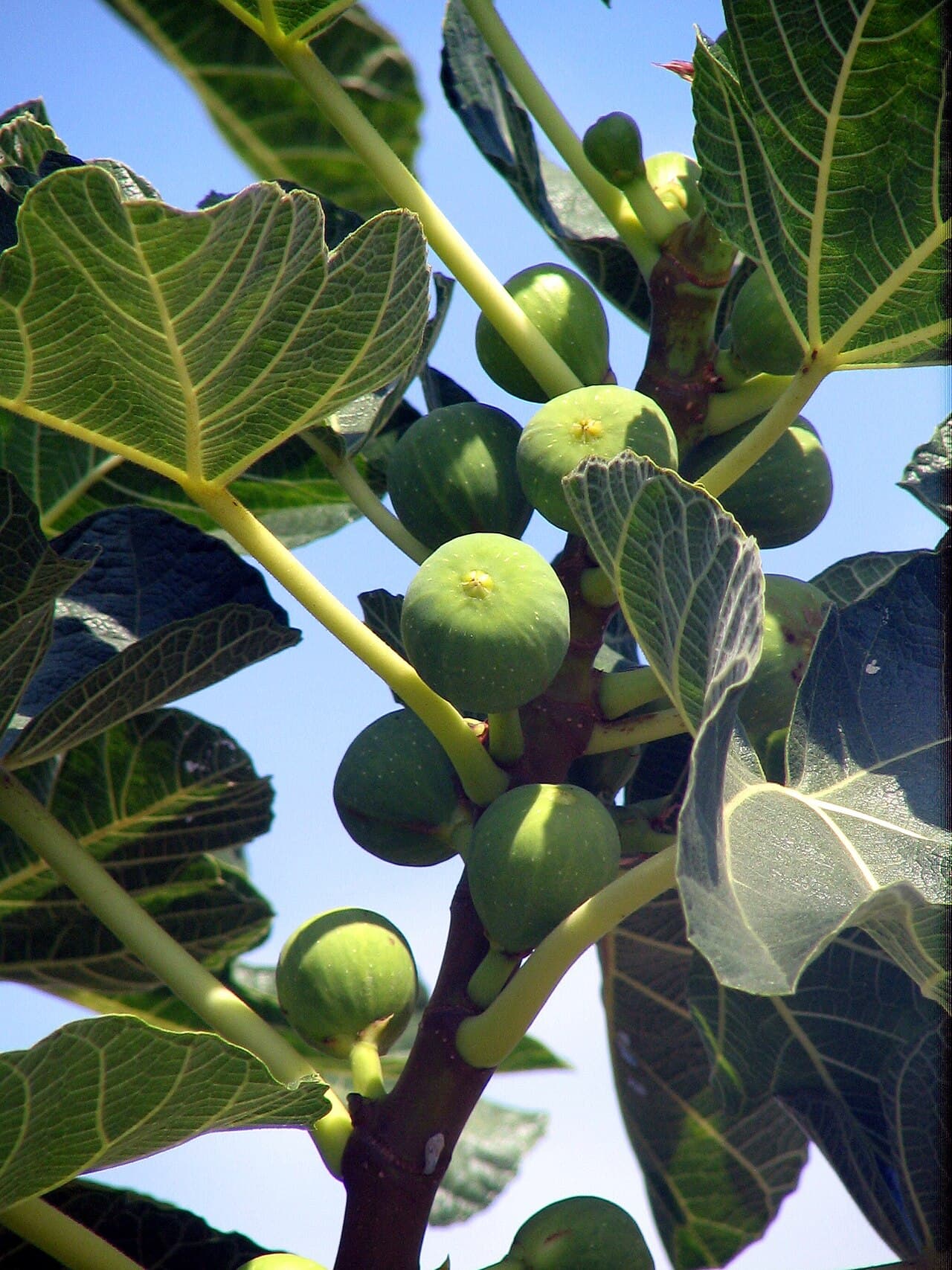
Flowers blooming inside the fig (fruit receptacle)
The fruit-like portion visible on a fig is botanically termed a "syconium," an organ formed when the flower axis swells into a pouch-like structure. Hundreds to thousands of male and female flowers are arranged on the inner wall of this chamber. The small opening at the apex (called the ostiole or "eye") serves as the sole passage to the external environment, through which pollinating insects enter and exit. This structural arrangement, which encloses and protects the flowers inside the pouch, is considered one of the reasons fig trees have survived as one of the world's oldest cultivated fruit crops.
The Fig Wasp: Pollinator of Figs
Most wild-type figs are pollinated by fig wasps (Blastophaga psenes), insects approximately 2–3 mm in length. Female wasps enter the fig through the ostiole (eye) to lay eggs, and in doing so, transfer pollen from their bodies onto the pistillate flowers. Figs and fig wasps exist in a mutualistic relationship in which each depends on the other for survival; neither can persist as a species without the other. However, this mutualistic relationship and successful pollination occur only under specific combinations of climate and fig variety.
Pollination Type Varies by Variety
Figs are broadly categorized into four types based on flowering pattern and pollination requirements.
- Common type: Bears only female flowers and produces fruit through parthenocarpy, developing fruit without pollination. Most home-garden cultivars distributed in Japan, such as Masui Dauphine, belong to this type.
- Smyrna type: Produces only female flowers and lacks parthenocarpy, so fruit will not develop without pollination by fig wasps. Calimyrna is the representative variety, known as a premium dried fig cultivar.
- カプリフィグ(Caprifig): そのままでは食用にならない野生タイプで、雄花と虫えい花をつけてイチジクコバチを育てる役割を担う。Kara IlekやRoeding No. 3は、スミルナ種を受粉させるための花粉源として栽培される。
- San Pedro type: Bears fruit twice per year, with summer figs developing without pollination, while autumn figs require pollination—an unusual characteristic.
Why Pollination Is Not a Concern in Home Cultivation
Since fig wasps are not established in Japan's climate, nearly all fig varieties in domestic circulation are parthenocarpic types that set fruit without pollination. This means fruit will develop even when a single plant is grown in a garden or pot, and there is no need to provide a pollinator tree. When selecting a variety, the priority should be given to cold hardiness, harvest timing, and flavor preference rather than pollination requirements. Guidelines for choosing easy-to-grow varieties are compiled in the variety guide, which can be consulted when selecting the next plant.
Summary
Figs have a unique ecology in which flowers bloom hidden inside the fruit, and pollination requirements differ entirely depending on the variety. In home cultivation in Japan, parthenocarpic common varieties are the mainstream, making pollination concerns largely unnecessary. If there are questions about fruit set on a growing tree, posting with photos to the bulletin board for consultation is also recommended.
Related varieties
Not going the way you hoped?
Ask other growers on the board. A photo gets you a faster answer.
This article was drafted with AI assistance and reviewed by the site operator. Variety details are for reference—please confirm identification through discussion on the board.
Reply0
Login required