
Understanding Fig Variety Names | Deciphering Origins from Geography, People, and Appearance
Updated: 2026-10-13
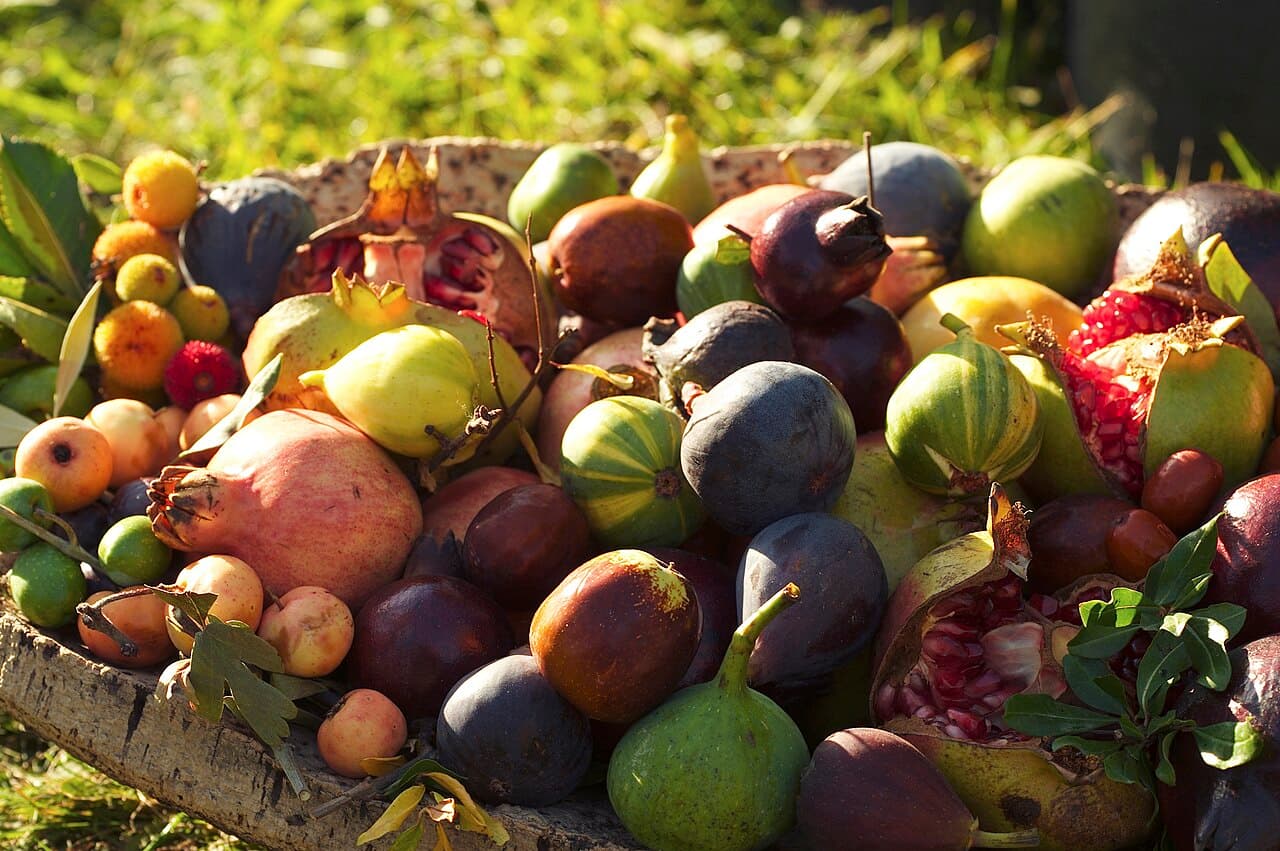
Fig variety names follow several naming patterns: some incorporate geographical names, such as White Madeira and Violette de Bordeaux; others are derived from people's names, such as Masui Dauphine; and still others describe visual characteristics directly, such as Panachée Tiger. Understanding the origins of these names serves as a useful reference when consulting on the forum about unidentified varieties, and helps recognize instances where the same cultivar circulates under different names.
Varieties Named After Locations
The most common pattern is varieties named directly after their place of origin or the location where they were discovered.
- Violette de Bordeaux: Named after the Bordeaux region of France. Also distributed under the alternate name "Negronne."
- Hative d'Argenteuil: An early-ripening variety named after the town of Argenteuil near Paris
- White Genoa: originates from Genoa, Italy
- White Marseille: Originates from Marseille, France
- Black Madeira: Named after Madeira Island in the Atlantic Ocean
- Mount Etna: Named after the volcano Mount Etna on the island of Sicily
Varieties Named After People
Some varieties bear the names of their discoverers, developers, or introducers. Masui Dauphine, a well-known variety in Japan, exemplifies this pattern. The cultivar itself derives from the French "Dauphine," but the name of the person who introduced and established it in Japan was placed at the beginning, and this variety is frequently presented as such an example. Among foreign varieties as well, cases in which the names of breeding farms or nurseries have become established designations are not uncommon.
Variety Names Based on Appearance
- Panache Tiger: Named after the French word panache, meaning "stripe," this variety displays distinctive vertical striping on the fruit skin.
- Yellow Long Neck: named for its yellow skin and the fruit's neck-like elongated shape
- Texas Blue Giant: distinguished by bluish fruit skin and large fruit size
Use the name as a guide, but do not rely on the name alone to make a determination.
Understanding the origin of a fig's name can aid in remembering it, but it is not uncommon for a single cultivar to have multiple synonyms. Just as Violette de Bordeaux is also called "Negronne," names may change during distribution or vary by region. Determining a cultivar name based solely on photographs posted to the board is difficult, and cultivars with similar-sounding names may actually be different varieties, while conversely, cultivars with different names may be the same. While learning a name's origin can deepen appreciation of a cultivar, it does not provide a definitive identification. For any fig of particular interest, consult the board with photographs and any known origin of the name.
Not sure what your fig is?
Post a photo of the leaves and fruit and see what other growers think. "Maybe" is a perfectly good answer here.
Post your figRelated varieties
Not going the way you hoped?
Ask other growers on the board. A photo gets you a faster answer.