
How to Grow Figs on a Balcony | Pot Selection, Sunlight, and Considerations for Apartment Dwellers
Updated: 2026-07-21
Figs can be successfully grown on a balcony or terrace even without a garden space. By selecting varieties suited to container cultivation and managing them with attention to light and space constraints, a reliable harvest can be achieved year after year within limited floor area. This article outlines the specific limitations of balcony growing and addresses key considerations for container selection, soil, placement, watering, and variety choice.
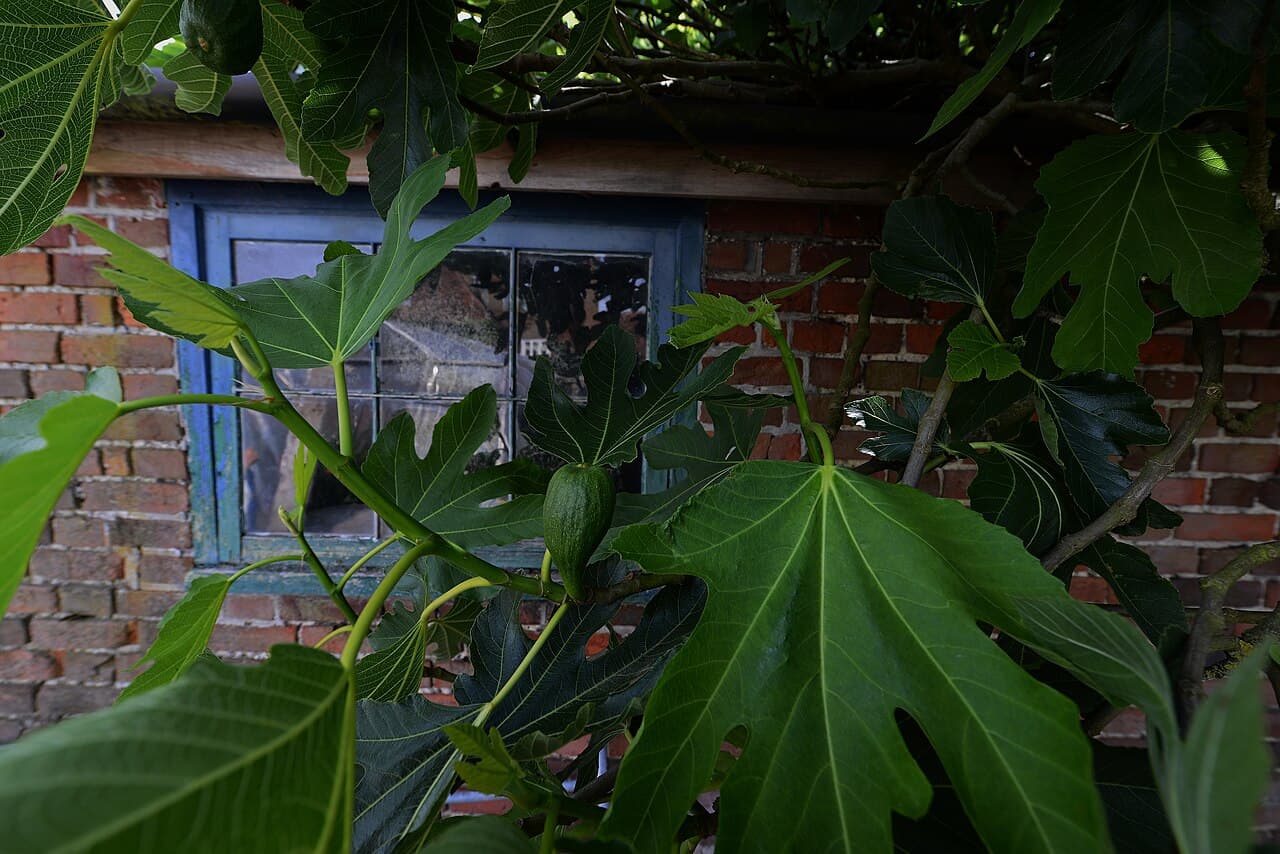
Constraints of Balcony Cultivation
- Floor load capacity: Large pots filled with soil and water can weigh close to 15 kg even for a 10-gallon pot, so verify the weight-bearing capacity of the intended location in advance.
- Sunlight: Environments where buildings create shade and direct sunlight reaches only 3–4 hours are not uncommon.
- Strong winds: Upper stories experience stronger winds, which can easily cause pots to overturn or branches to break.
- Consideration for common areas: fallen leaves, water splash, and pest infestations can affect neighboring units and evacuation routes, so verify the management regulations.
Selecting Containers and Soil
To accommodate root spread, select a pot of size 10 or larger (approximately 30 cm diameter) from the start to reduce the frequency of repotting. Mix the growing medium at a ratio of 7 parts medium-grain red soil (akadama) to 3 parts leaf mold. Place pot shards or gravel at the pot base to ensure drainage. While plastic pots are lightweight and convenient to handle, the soil tends to heat excessively in summer; protecting the roots with a heat-reflective sheet or a double-pot system stabilizes growing conditions.
Location and Light Requirements
Figs fruit adequately with six or more hours of direct sunlight daily, but balconies often provide only around four hours. In such cases, positioning the plant near a white wall to utilize reflected light, or using a caster-mounted stand to move the pot according to the time of day, proves effective. Insufficient light not only reduces fruiting but also tends to cause the plant to become leggy.
Wind and Fall Protection
On high-floor balconies, secure the support stake firmly in the pot, and tie the pot itself lightly to the railing or wall with cord to prevent tipping. Using a windbreak net in combination is also effective to prevent fallen fruit and leaves from scattering to lower levels.
Watering and Fertilizer Adjustment
Container-grown figs dry out faster than in-ground plantings and may require watering twice daily—morning and evening—during summer. Water thoroughly when the soil surface becomes dry, and do not allow water to accumulate in the saucer to prevent root rot. Apply slow-release fertilizer around March and September. During the intense heat of midsummer, reduce fertilizer application to avoid fertilizer burn.
Balcony-Suited Varieties
Selecting varieties with gentle vigor that remain compact simplifies management considerably. Petite Negri, a dwarf type suited to containers, Black Jack, a semi-dwarf form, and Violette de Bordeaux, which responds well to pruning for a compact habit, are all suitable choices for limited spaces such as a balcony. Compare tree form and characteristics of other candidates as well in the variety guide.
Things to Keep in Mind When Growing in Apartments or Condominiums
- Remove fallen leaves and dropped fruit regularly to prevent clogging of shared drainage outlets.
- Ripe fruit attracts birds and insects readily through its scent, so remove fruit past its harvest window promptly.
- Maintain a manageable size so the pot can be moved indoors or to an entryway during winter dormancy.
Balcony cultivation has more constraints than in-ground planting, but sufficient harvests are achievable when container size, sunlight, and wind protection are managed properly. When uncertain about which variety to grow or wanting to see others' balcony cultivation examples, consulting the forum is also recommended.
Related varieties
Not going the way you hoped?
Ask other growers on the board. A photo gets you a faster answer.
This article was drafted with AI assistance and reviewed by the site operator. Variety details are for reference—please confirm identification through discussion on the board.
Reply0
Login required