When to Plant Figs: Differences Between Fall and Spring Planting and How to Choose
Updated: 2026-10-10
The optimal planting period for figs falls between dormancy and bud break in early spring. In practice, many growers face a choice between fall and spring planting, each with distinct advantages and considerations. Suitability depends on the local climate and the type of nursery stock obtained. This article outlines the differences between fall and spring planting, identifies which approach suits different situations, and highlights key care points after planting.
Basic Differences Between Fall Planting and Spring Planting
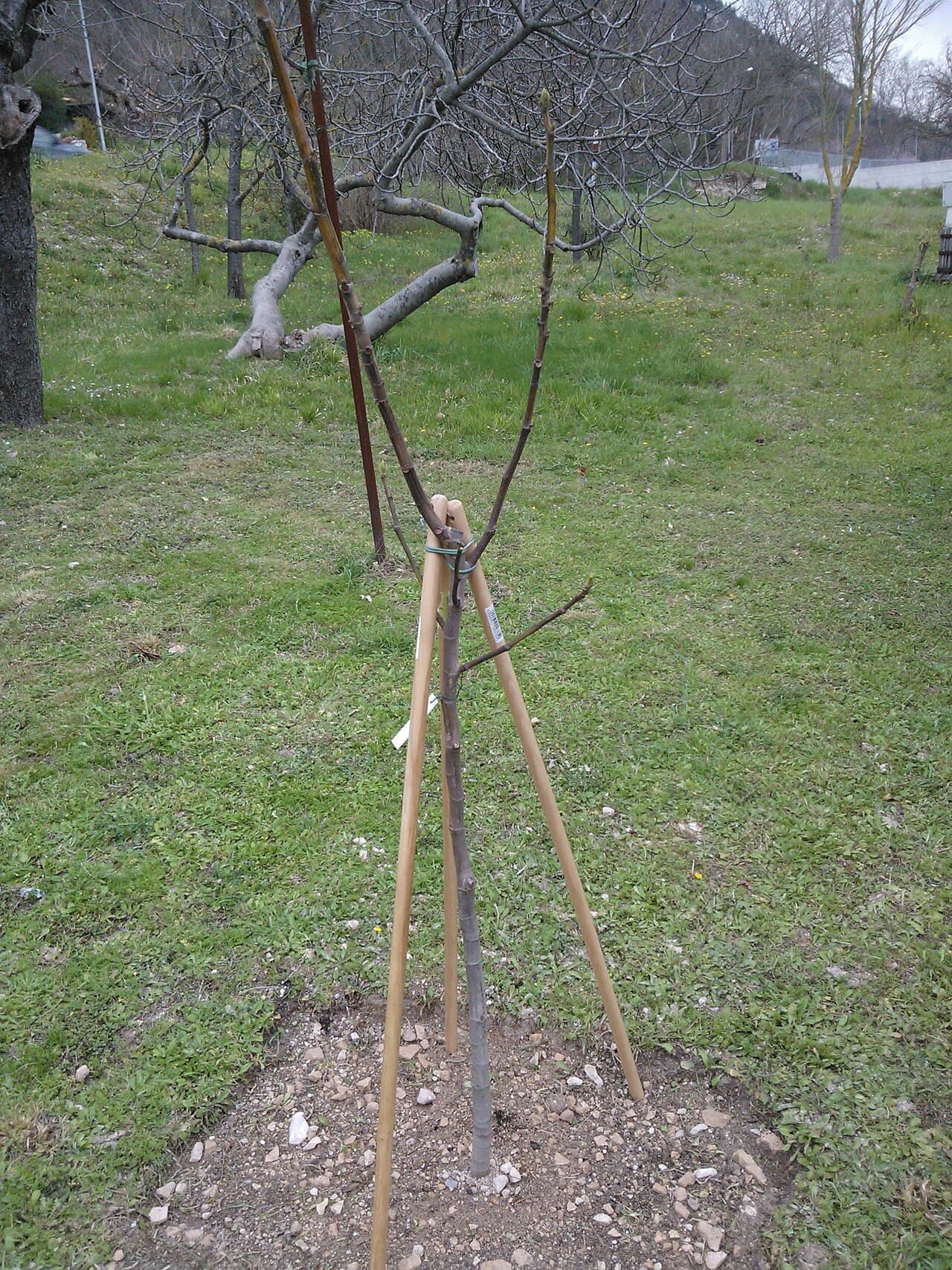
Figs are deciduous fruit trees, so the basic planting window extends from leaf drop through dormancy until budbreak begins. This period generally spans from November to March, and the timing within this range—either shortly after leaves fall (autumn) or after frost risk diminishes (spring)—affects management practices. Autumn planting allows a longer establishment period for roots to acclimate to the soil, but if the young tree lacks sufficient cold tolerance, there is risk of frost damage. Spring planting shortens the root establishment period, though it offers the advantage of avoiding low-temperature injury.
Cases Suited to Fall Planting
- Regions with warm climates where hard frost and heavy snow are rare during winter.
- Container-grown seedlings with well-established root systems that experience minimal root disturbance during transplanting.
- When quick tree growth is desired starting from the following spring
Cases Suited to Spring Planting
- Colder regions where severe winter cold and frost or snow damage to roots are a concern
- Bare-root seedlings or small, delicate nursery plants
- When unable to monitor frequently after planting and uncertain about watering management
Regional differences and variety selection should be considered together.
Planting time should be considered together with selecting varieties suited to your regional climate to reduce failures. In cold regions, hardy varieties such as Chicago Hardy and Ronde de Bordeaux broaden planting time options, while in warm regions, proven varieties like 桝井ドーフィン and とよみつひめ are similarly beneficial. When uncertain, consulting the variety guide for regional performance records or asking experienced growers in the same region on the discussion board is recommended.
Points to Consider After Planting
- Water thoroughly immediately after planting. Thereafter, water only when the soil surface dries out.
- For fall planting, insulate the base of the plant with mulch or straw to prevent root frost damage.
- Spring planting is vulnerable to drying out immediately after germination, so care must be taken to prevent the soil from drying out.
- Regardless of the planting season, prioritize developing strong branches and foliage in the first year after planting, rather than forcing fruit production.
Neither fall planting nor spring planting is universally correct; suitability depends on regional climate, nursery stock condition, and subsequent management capabilities. In regions with severe winters, spring planting forms the basic approach, while in milder climates or when experience with care is adequate, fall planting can be chosen to accelerate root establishment. This approach reduces failures. After planting, attend carefully to watering, temperature protection, and moisture retention. During the first year, focus on developing the tree.
Not sure what your fig is?
Post a photo of the leaves and fruit and see what other growers think. "Maybe" is a perfectly good answer here.
Post your figRelated varieties
Not going the way you hoped?
Ask other growers on the board. A photo gets you a faster answer.