
Fig Growing Guide: Essentials for Beginners
Updated: 2026-07-13
Figs are among the easiest fruit trees to grow and are popular as a first tree for home gardeners. Bearing begins quickly after planting, and with adequate sunlight and well-draining soil, even beginners can enjoy a good harvest. This article systematically covers the fundamentals: variety selection, planting, sunlight requirements, watering, fertilizing, and the annual work cycle.
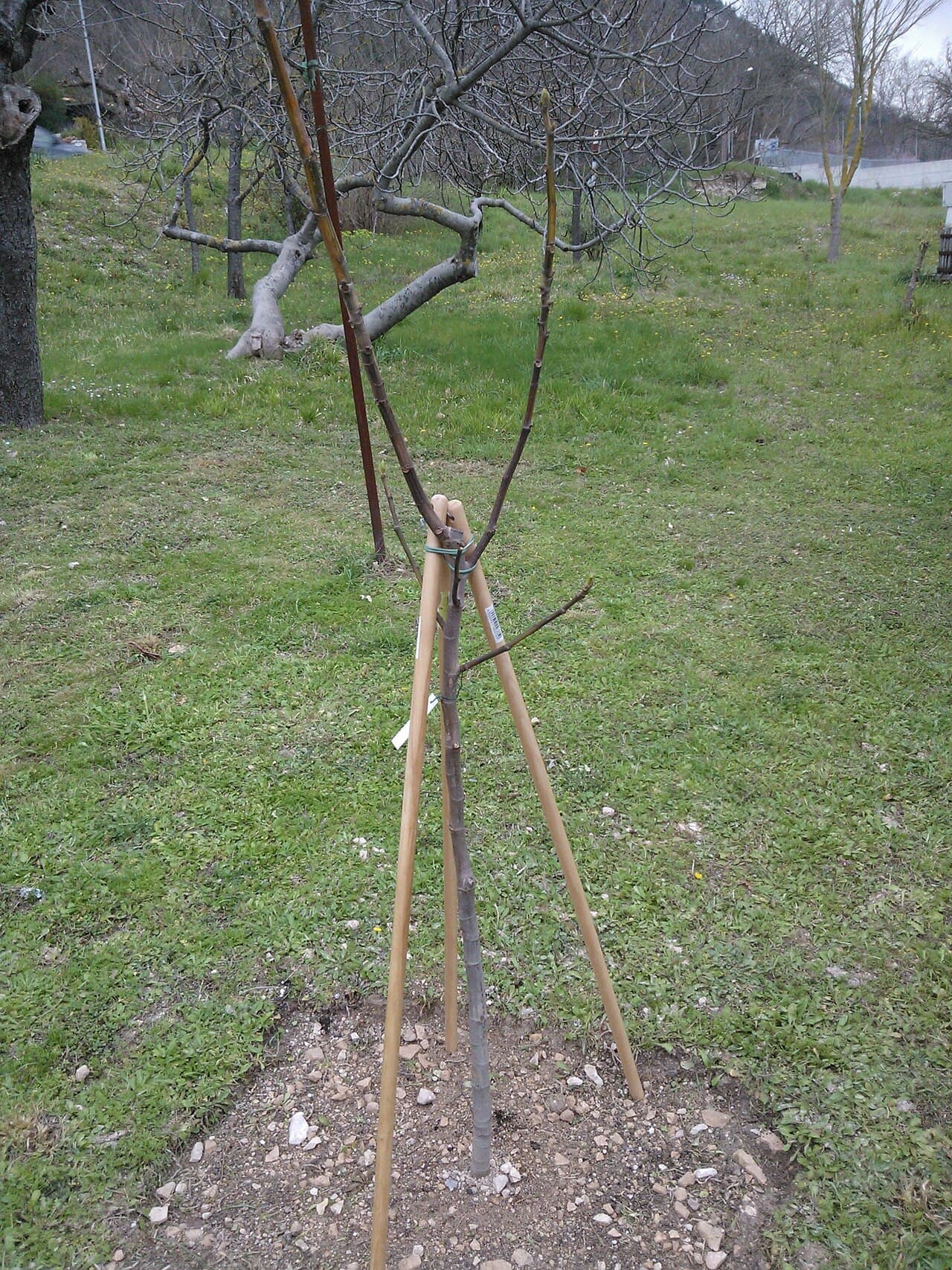
Why Figs Are Suitable for Beginners
- Growth is rapid, and harvesting can be expected within 1 to 2 years of planting.
- Many home cultivars produce fruit without a pollinator tree (parthenocarpic).
- Propagation by cuttings is straightforward, and the plant can be grown compactly in containers.
Start with variety selection
The most widely cultivated fig in Japan is Masui Dauphine, which is easy to grow and produces fruit reliably. For concentrated sweetness, Toyomitsuhime, bred in Fukuoka, is recommended. In cold regions, Ronde de Bordeaux and Chicago Hardy offer superior cold hardiness. For compact container cultivation, Violette de Bordeaux is a manageable choice. When a label is lost and the variety is uncertain, compare specimens in the variety guide or discussion board.
Planting — Timing and Location
The best planting period is November to March, when the tree is dormant. Avoid the coldest part of winter; in warm regions, plant in early winter, and in cold regions, plant around March when temperatures moderate. Choose a location with full sun and good drainage. Work compost into the planting hole before planting.
Differences Between In-Ground and Container Growing
- In-ground planting: Roots spread freely, allowing the tree to develop substantially and produce heavier crops. Once planted, relocation is not possible, so site selection is critical. Once established, watering can rely almost entirely on rainfall.
- Container growing: Plant in a pot of 8–10 liters or larger using a potting mix based on akadama soil. Allows the tree to be kept compact and, in cold regions, moved under eaves during winter. The soil dries quickly, so regular watering is essential.
Sunlight, Watering, and Fertilizing
Sunlight
Figs require sunlight. Locations receiving six or more hours of direct sun daily produce sweeter fruit, while insufficient light results in reduced fruiting and lower sugar content.
Watering
For in-ground figs, water is supplied primarily by rainfall after the plant is established; supplemental watering is needed only during extended periods of summer drought. For container-grown figs, water thoroughly when the soil surface dries out; during peak summer, watering twice daily (morning and evening) is typical. However, excessive moisture causes root rot, so drainage must be maintained at all times.
Fertilizer
Apply oil cake or compost around the base of the plant in December through February as winter fertilizer. Apply supplemental fertilizer in June during the growing season and again in autumn after harvest. Excessive nitrogen promotes excessive foliage growth and reduces fruit set; the key is to apply phosphorus and potassium in balanced proportion to nitrogen.
Annual Work Calendar
- Winter (December–February): Pruning, cold-season fertilizing, planting, and repotting
- Spring (March–April): Buds break. Thin congested buds by removing excess shoots.
- Early summer (June–July): Harvest breba crop depending on variety. Pinch back excessively long shoots.
- Summer to autumn (August–October): Peak harvest season for breba crop. Maintain consistent watering.
Harvest when the fruit neck bends downward, the eye (tip) opens, and the overall fruit softens. At full ripeness, the aroma becomes pronounced and sweetness intensifies.
Pests and Diseases to Watch For
- Longhorn beetle larvae (wood borers): The primary threat to fig trees, as they feed inside the trunk and can kill the plant. Remove them promptly if sawdust-like frass is found at the base of the trunk.
- Fig leaf rust and crown rot: These tend to occur in poorly draining soil or with consecutive planting in the same location. Prevent by using clean soil and ensuring good air circulation.
- Birds and stink bugs: Target ripe fruit. Control with bagging or netting.
The fundamentals of fig cultivation come down to three elements: sunlight, drainage, and proper pruning. Begin by selecting one easy-to-grow variety and learning the annual cycle of care. Once established in these basics, gradually expand to other varieties that suit personal preference for color and flavor by consulting the variety guide. This approach allows for sustained enjoyment of fig growing.
Not going the way you hoped?
Ask other growers on the board. A photo gets you a faster answer.
This article was drafted with AI assistance and reviewed by the site operator. Variety details are for reference—please confirm identification through discussion on the board.
Reply0
Login required