
How to Harvest Figs | Steps for Picking Without Bruising and Timing Tips
Updated: 2026-09-04
Fully ripe figs develop thin, soft skin and bruise easily from minor impact. Timing for harvest is determined by the indicators covered in ripeness identification, but improper grip or force direction when picking can crush or split the skin of fully ripe fruit. This article summarizes practical tools, procedures, and precautions for harvest.
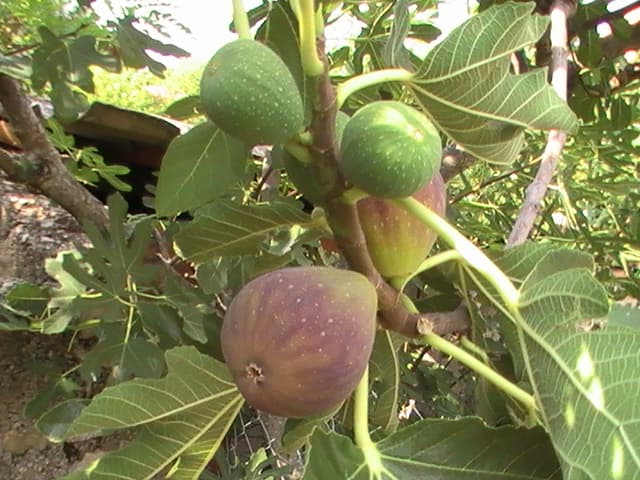
Optimal harvest timing
Harvest in the morning before temperatures rise fully. During peak daytime heat, fruit becomes overly soft and susceptible to damage from light handling, and the tree's latex flow increases with higher temperatures. Avoid harvesting immediately after rain the previous day or that morning, as fruit absorbs moisture, causing the skin to stretch, crack, and bruise more easily. Select harvesting times when fruit is dry for better results.
Tools to Have on Hand
- Lightweight cotton work gloves or rubber gloves (to prevent skin irritation from latex and to cushion the fruit so it is not bruised by direct finger pressure)
- Shallow harvest baskets or trays that allow fruit to be arranged without stacking
- Clean pruning shears equipped for firm-stemmed fruit.
- A shaded area where fruit can be placed immediately after harvest
How to Pick Figs Without Damage
- Support the entire fruit gently in the palm of the hand, avoiding gripping with the fingertips alone.
- Hold the stem base lightly with the thumb while tilting the fruit upward in a lifting motion.
- When the stem comes away with a smooth motion, the fig is fully ripe. If there is resistance and the stem feels firm, do not pull forcefully; instead, cut the stem with scissors to harvest.
- Place picked figs upright in a basket with the stem end facing up, rather than laying them on their side.
- Pack the basket without crowding; allow enough space so the figs do not touch each other.
Considerations That Vary by Variety
Varieties with firm skin, such as Masui Dauphine, resist splitting even with rough handling, while varieties with thin, delicate skin like Violette de Bordeaux bruise easily and require more careful handling. When the skin thickness or crack susceptibility of a variety is not known, consulting the variety guide or discussion board for handling advice on fruits with similar characteristics is a useful approach.
Dealing with Latex (Tree Sap)
When a fig stem is cut or broken, white latex oozes from the wound. This latex may cause skin irritation on contact, so wear gloves and avoid bare-handed work. After cutting, turn the stem end downward and allow it to dry slightly before placing figs in a container; this prevents the fruit from becoming sticky. For detailed precautions if prone to irritation, see Fig Tree Sap Irritation: Work Safety Precautions.
Immediately After Harvest
Place harvested fruit immediately in shade away from direct sunlight and set in a cool location. Figs do not ripen further after harvest, so refrigerate as soon as possible if not eating immediately. Methods for long-term storage and processing are detailed in Post-Harvest Fig Storage Methods.
The key to harvesting lies in supporting the fruit rather than gripping it, and in refraining from pulling forcefully while waiting to identify full ripeness. Simply adopting a careful picking method allows one to enjoy the texture of fully ripe fruit exactly as it is—a quality rarely found in commercial produce.
Related varieties
Not going the way you hoped?
Ask other growers on the board. A photo gets you a faster answer.
This article was drafted with AI assistance and reviewed by the site operator. Variety details are for reference—please confirm identification through discussion on the board.
Reply0
Login required