
How to Store Figs After Harvest | Tips for Keeping Fresh in the Refrigerator and Freezer
Updated: 2026-07-17
Figs harvested with care can spoil quickly if stored incorrectly. Unlike bananas or avocados, figs do not develop significantly in sweetness after harvest; the standard practice is to consume fully ripe fruit picked from the tree as soon as possible. This article outlines storage approaches for room temperature, refrigeration, and freezing, presents methods for maintaining freshness, and describes how to identify damaged fruit.
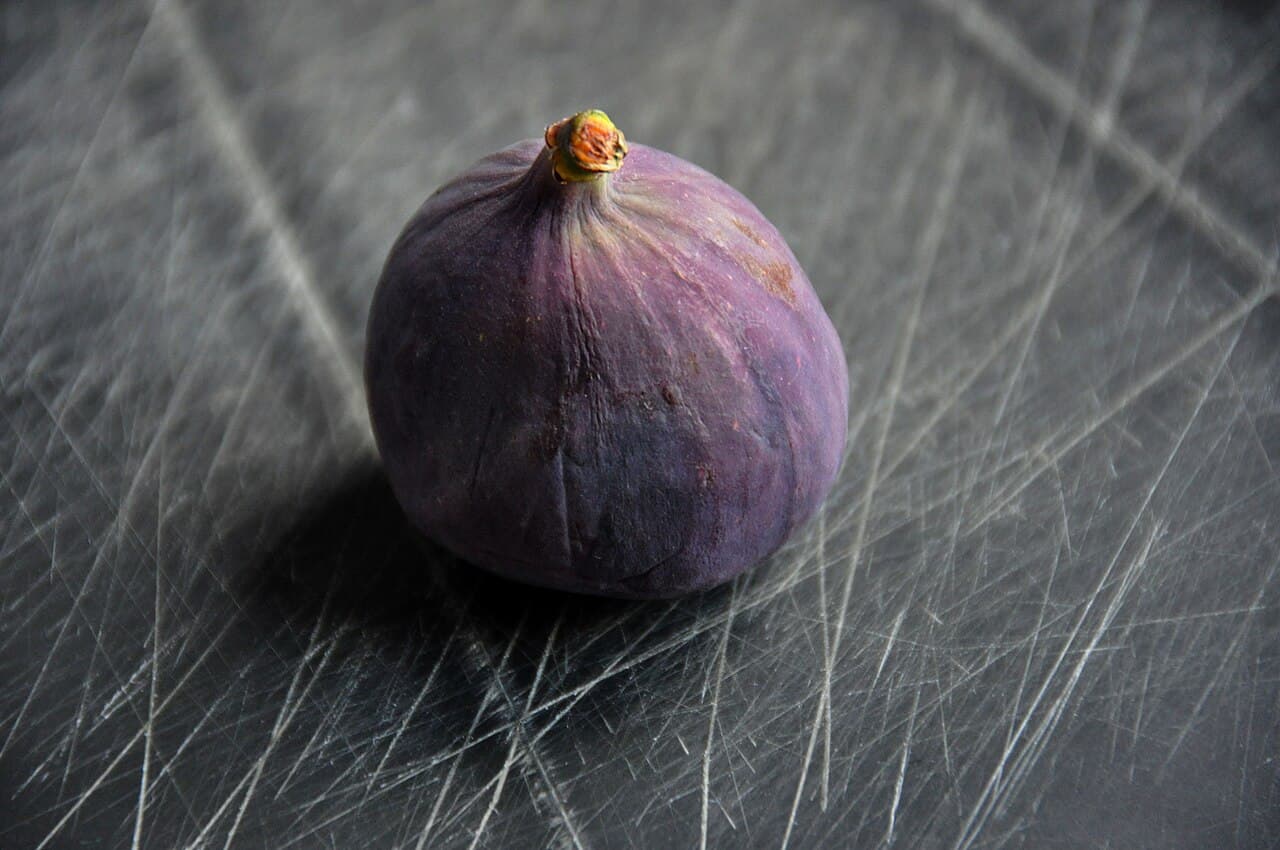
Figs do not ripen significantly after harvest.
Figs show minimal increase in sugar content through post-harvest ripening. While the flesh may soften somewhat, sweetness does not develop after picking. Accordingly, harvest should be timed by recognizing signs of full ripeness and waiting for adequate maturation on the tree—harvesting underripe fruit in hopes of post-harvest ripening is not suitable for fig cultivation. Conversely, the condition of the fruit at harvest is essentially the eating stage, and the purpose of storage is not to advance ripeness but to preserve the current state as long as possible.
Storage at room temperature is generally unsuitable.
Fully ripe figs have thin skins that bruise easily, and at room temperature will begin to deteriorate within half a day to one day during summer months. Even when kept away from direct sunlight and high heat and humidity, room temperature storage is not suitable for extended periods. Any figs not consumed the same day should be refrigerated promptly for safety.
Tips for Cold Storage
- Arrange the figs in a single layer in a shallow container or tray, without overlapping. Stacking causes them to bruise easily under their own weight.
- Since figs dislike moisture, wash them immediately before eating. Storing them with a wet surface can cause mold.
- Lining the container with kitchen paper to absorb excess moisture reduces spoilage.
- Cover loosely with plastic wrap or a storage bag to prevent drying out and odor transfer.
- In the refrigerator, consume within 2–3 days as a guideline. Flavor and texture decline as time passes.
For Extended Enjoyment, Store Frozen
When harvest volume is heavy and fresh figs cannot be consumed immediately, freezing is an effective preservation method. Freezing figs raw maintains quality for approximately one month and is well-suited for storage during periods of concentrated harvest.
- Rinse the figs and wipe dry thoroughly.
- Remove the stem end lightly and eat whole, or cut in half lengthwise for easier consumption.
- Arrange in a single layer on a tray to prechill, then transfer to a freezer bag once frozen.
- Seal airtight by removing air and store in the freezer.
Frozen figs become somewhat watery when thawed at room temperature, so eating them partially thawed as a sorbet-like treat or using them as ingredients for smoothies, compotes, or jams is recommended. For cooked preparations, the figs may be added to the pot while still frozen.
Identifying Damaged Fruit
During storage, check the condition of the fruit regularly and remove any damaged figs promptly. This prevents deterioration from spreading to other fruit.
- Surface is sticky and has a strong sour smell (a sign that fermentation is progressing)
- Skin is split and fruit juice is seeping out.
- Mold or white cottony growth is present
- The eye (fruit apex) has darkened around the edges and become overly soft.
If damage is minor, the affected portion can be cut away and the fig may still be used for jam or compote. However, if mold or a strong off-odor is present, discard the fruit without eating it for safety.
Processing surplus fruit is an option to consider.
Since fresh figs are difficult to store for extended periods, processing them to improve shelf life is recommended in years of abundant harvest. Made into jam or compote, figs will keep refrigerated for several weeks, and when bottled, they will last even longer. Drying them slowly in the sun or with a dehydrator using the method for making dried figs allows for long-term storage at room temperature.
How harvested figs are stored depends partly on how fully ripe they were allowed to become on the tree. Skin thickness and shelf life vary by variety, so understanding the characteristics of the cultivar being grown makes it easier to plan storage. Check variety information for details on the cultivar of interest, or consult other growers on the forum if uncertain about storage or ripening methods.
Because figs do not ripen after harvest, the timing of harvest and the speed of handling after picking determine flavor. Store at room temperature for a short period, refrigerate for 2–3 days, or freeze and process for longer storage—select the storage method according to intended use and enjoy the seasonal flavor without waste.
Not sure what your fig is?
Post a photo of the leaves and fruit and see what other growers think. "Maybe" is a perfectly good answer here.
Post your figNot going the way you hoped?
Ask other growers on the board. A photo gets you a faster answer.