
Fig Tree Sap (Latex) Irritation | Precautions and Treatment
Updated: 2026-08-01
When fig branches or leaves are cut, a white milky sap oozes from the wound. This sap is an unavoidable aspect of cultivation management, but contact with skin can cause irritation, particularly during periods of intense sunlight. This article covers the mechanism behind the irritation, preventive measures during pruning and harvest work, and treatment methods for irritation that does occur.
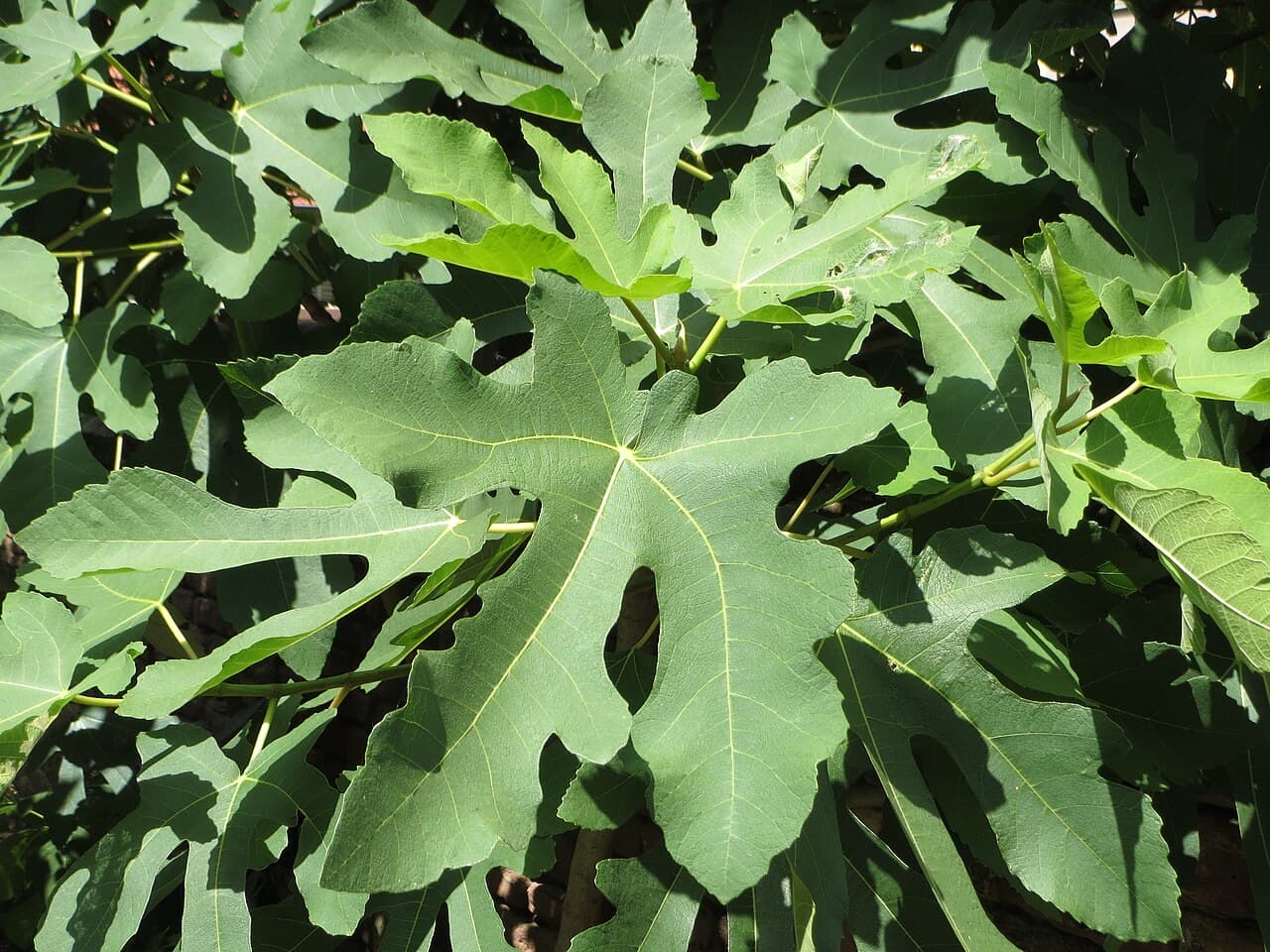
Why Fig Tree Sap Causes Skin Irritation
Fig tree sap contains furanocoumarins (also called psoralens), which are phototoxic compounds. While the sap causes only mild skin irritation on its own, exposure to ultraviolet light intensifies the reaction and may trigger inflammation including redness, itching, and blistering. This condition is known as phytophotodermatitis and occurs not only with figs but also with certain plants in the Apiaceae and Rutaceae families.
Conditions Where Symptoms Appear
- Sap from pruning or training came into contact with the arms or wrists, and outdoor work continued without removing it.
- When ripe fruit is picked, tree sap that seeps from the fruit stem may come into contact with the skin.
- Handling leaves and branches with bare hands, then exposing sap-covered skin to direct sunlight
Symptoms typically appear several hours after contact or by the following day as redness and itching, rather than immediately, making exposure easy to overlook. Because marks can persist for weeks to months, prevention should be prioritized rather than treating the condition lightly.
Preventive Measures Before Work
- Wear long sleeves and long pants, along with thin rubber gloves or gardening gloves, to prevent tree sap from contacting bare skin.
- Pruning and harvesting should be performed in the early morning hours before temperatures rise for the day.
- Do not touch cut surfaces with bare hands after pruning thick branches, as they tend to exude sap profusely.
- Rinse sap from the skin promptly before exposure to sunlight.
Treating Tree Sap Contact with Skin
If fig sap contacts the skin, wash thoroughly with soap and running water as soon as possible. After washing, avoid direct sunlight for a period of time, and protect the area from UV exposure with sunscreen or long sleeves to help minimize symptoms. If redness, itching, or blistering has already appeared, do not self-treat with over-the-counter products for extended periods. Seek dermatological care if symptoms are severe, affect a large area, or are accompanied by blistering.
Working with Children and Pet Safety
Figs are popular with families who enjoy harvesting together, but care should be taken since handling the fruit and branches occurs frequently. Establish a hand-washing habit after harvest, and avoid prolonged exposure to direct sunlight for extended periods afterward. Dogs and cats may develop oral or skin inflammation if they chew the leaves or stems, so consider the placement of potted plants carefully.
Contact dermatitis from fig tree sap is a type of phytophotodermatitis caused by the combination of furanocoumarins and ultraviolet light. Following basic precautions—wearing long sleeves and gloves during work, and washing promptly after contact with sap—prevents the condition in most cases. Those concerned about the characteristics of their cultivar may consult the variety guide, and when symptoms or problems arise during cultivation, the forum is also a useful resource for advice.
Not sure what your fig is?
Post a photo of the leaves and fruit and see what other growers think. "Maybe" is a perfectly good answer here.
Post your figNot going the way you hoped?
Ask other growers on the board. A photo gets you a faster answer.