
Fig Fruit Rot and Mold: Causes, Prevention, and How to Distinguish Premature Damage
Updated: 2026-10-16
Figs have thin skin and a naturally open eye at the fruit tip, making them more susceptible to damage compared to other fruit trees. Reports of fruit "turning dark and rotting just before ripeness" or "developing white mold" are especially common from the end of the rainy season through autumn rains. Most of these problems can be prevented by identifying the underlying cause.
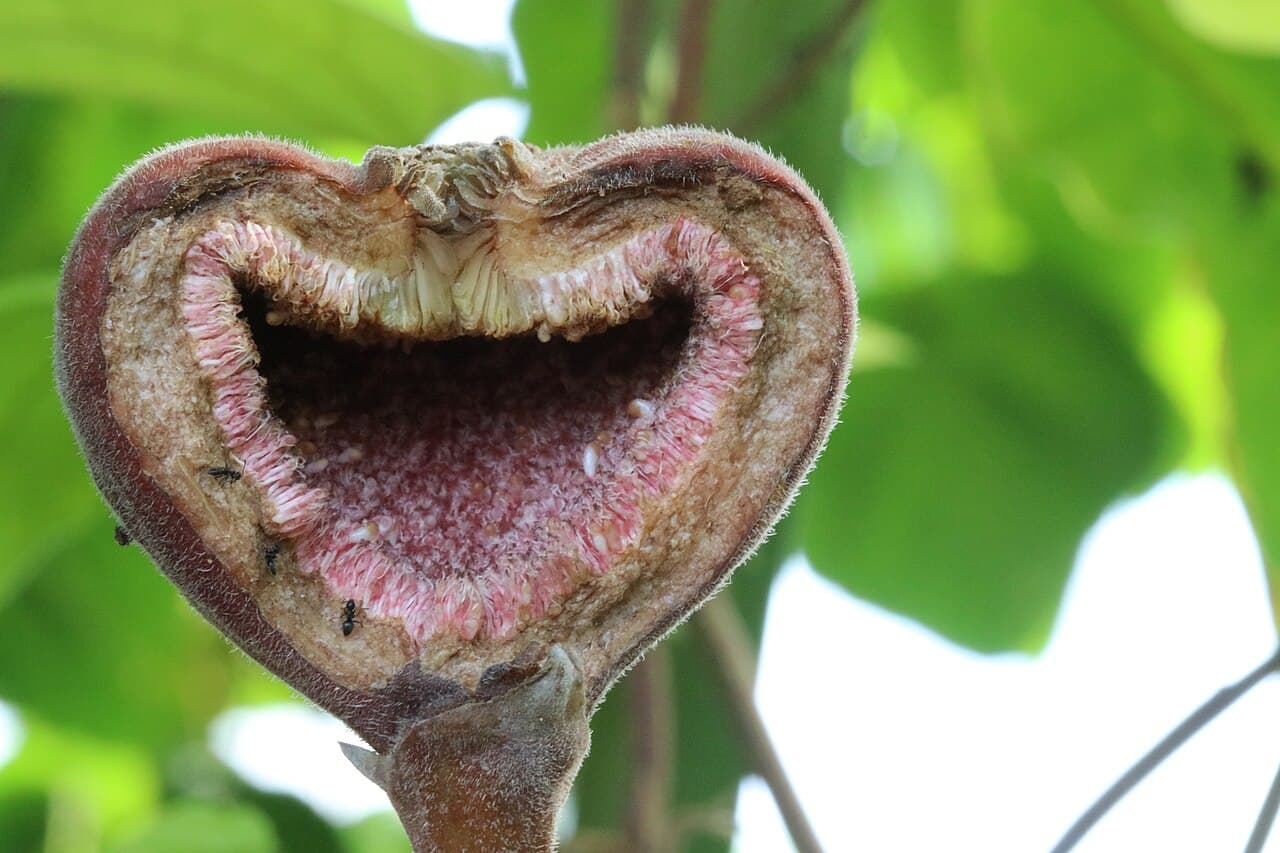
Primary Causes of Fruit Rot
Rain and High Humidity
When rainwater enters the eye of a ripe fruit, water accumulates internally and fermentation and rot advance. On plants with poor air circulation and dense foliage, the fruit surface dries slowly, and mold develops more readily.
Invasion Through Wounds
Fungal infection enters through small wounds on branches and leaves caused by wind abrasion, bird pecking, harvest-time nail marks, and similar damage. Wounds often penetrate deeper than visible, and discoloration may appear several days after injury.
Pathogens Introduced by Pests
Insects such as fruit flies, longhorn beetles, and stink bugs can enter through the fruit's eye. More often than the direct feeding damage from insects, the problem occurs when fungi subsequently invade through these openings, causing the fruit to rot while developing a sour odor. Controlling insects therefore serves as a preventive measure against fruit decay.
Identifying the Cause
- Only the area around the eye appears wet and soft → water infiltration from rain is suspected
- Sour odor and small insects present → insect infestation and fermentation
- White to gray powdery mold on fruit skin → high humidity and insufficient air circulation
- Cracking begins from splits → fruit splitting from abrupt changes in moisture occurs first
Preventive Measures Before Harvest
- Thin out branches to improve air circulation and light penetration, and reduce foliage around the fruit.
- Move potted figs to an eaves or shelter where they do not receive rain. For in-ground plantings, consider installing a simple rain cover.
- Water at the base of the plant, avoiding the fruit and foliage.
- Remove damaged fruit and fallen fruit promptly to prevent them from becoming breeding grounds for disease and insects.
- Once figs begin to ripen, harvest at regular intervals without delay, and do not leave fully ripe fruit on the branches for extended periods.
- As needed, cover fruit with paper bags or bird netting to prevent damage.
Handling Damaged Fruit
Discard figs that have an off-odor, visible mold, or discolored flesh. Even if damage is only superficial and the rest appears sound, discard the fruit when in doubt for safety. Do not leave discarded figs on the ground; place them in a plastic bag and dispose of them with regular combustible waste.
To compare photos of symptoms and determine whether the same issue is occurring in your environment, post a question on the community board. For reference on differences in skin thickness and eye-opening tendency across varieties, consult the variety guide as well.
Summary
Fig fruit rot can be attributed to three main causes: rain and high humidity, injuries to the fruit, and insect entry points. Improving air circulation, avoiding wetting the fruit during rain and watering, and removing damaged fruit promptly will significantly reduce damage. Harvesting fruit promptly after it reaches full ripeness is also important. Begin by observing which of these causes applies to your plants.
Not sure what your fig is?
Post a photo of the leaves and fruit and see what other growers think. "Maybe" is a perfectly good answer here.
Post your figNot going the way you hoped?
Ask other growers on the board. A photo gets you a faster answer.