
Fig Weed Control and Ground Cover Management | Tips for Suppressing Weeds Around the Base and Protecting Roots
Updated: 2026-09-17
Figs develop shallow, fine roots that spread widely near the base of the plant. Improper weed management at the base can deprive the tree of water and nutrients, and weeding itself may damage these roots. Ground-planted and container-grown figs require different approaches; using hoes, string trimmers, or herbicides without regard to timing can injure the root collar of young trees. This article outlines the timing and methods for weeding, considers options such as cover plants and ground covers, and explains how to combine these strategies with mulching to keep the base clear while protecting the root system.
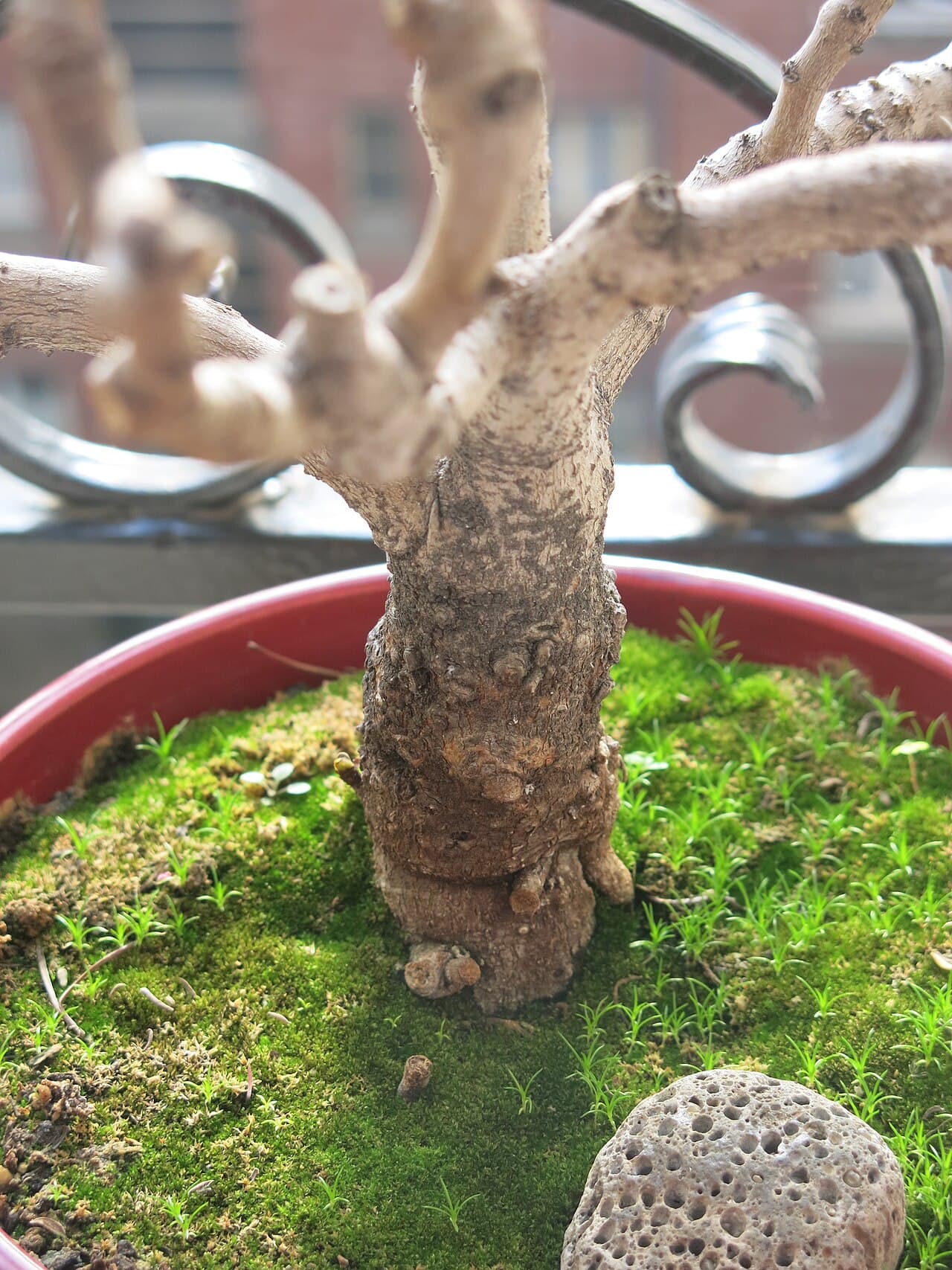
Why Weed Control at the Base Is Necessary
Fig roots spread shallow and wide near the soil surface, making the tree prone to competing with weeds for nutrients and water. Young trees in particular, especially those in the first several years after planting, have limited root mass and can be stunted by weed competition. Additionally, when weeds cover the base of the plant, airflow is reduced and conditions become favorable for moisture-loving pests and diseases.
Weeding: Timing and Methods
In-ground planting
From April to September, when rising temperatures accelerate weed growth, inspect the planting area approximately once monthly and remove weeds promptly. At the base of fig plants, which have shallow roots, deep cultivation with a hoe risks cutting roots. Within 30–50 cm from the plant base, limit weeding to hand-pulling or shallow cultivation; beyond this zone, use a brush cutter or similar tool. This approach minimizes damage to the root system.
In containers
Container-grown figs have limited soil volume, making competition for moisture more severe when weeds are present. Weeds should be removed by hand before they become established, as soon as they appear on the soil surface. Even light disturbance of the top soil layer is sufficient. Checking regularly during watering and removing weeds promptly will minimize damage.
- When using herbicides, protect the plant by ensuring the chemical does not contact the base or foliage. Exercise particular caution with systemic herbicides absorbed through roots when treating young plants or container-grown specimens.
- String trimmers easily damage the bark on the trunk, so switch to hand pruning near the base of the plant.
- When the soil is soft after rain, hand-pulling is easier, but on young trees where roots are prone to lifting, avoid pulling too hard.
Ground Covers and Understory Plants as an Option
An alternative approach is to use "ground cover"—intentionally cultivating low-growing understory plants such as clover to cover the soil around the base of the tree rather than leaving it bare. Ground cover reduces soil drying and helps prevent surface erosion from rainfall, while also decreasing the need for frequent weeding. However, taller weeds will ultimately compete with the fig, so regular trimming to maintain low growth is still necessary.
- Mulch suppresses soil surface drying and mud splash while helping to moderate ground temperature rise during peak summer.
- Keep the area near the base of the fig clear to avoid competition for water and nutrients with its shallow roots.
- Avoid vigorous weeds that spread by runners or underground rhizomes, as these become difficult to manage.
Reduce labor by combining with mulching
To reduce the labor of weeding itself, mulching around the base of the plant is also effective. Covering the soil surface with bark chips or straw physically suppresses weed germination and significantly reduces the frequency of weeding. For container-grown figs as well, covering the soil surface with mulch material in combination with the soil management described in Growing Figs in Containers makes it easier to prevent both water loss and weed growth.
Weed management at the base of the plant is a delicate task: neglect allows roots to be deprived of nutrients and water, while excessive weeding can damage roots. For in-ground plantings, use hand weeding at the base and a brush cutter for the outer area. For container plants, emphasize early detection and prompt removal. When uncertain about mulching or companion planting approaches, consult other growers on the forum. For concerns about rooting differences among varieties, refer to the variety guide.
Not sure what your fig is?
Post a photo of the leaves and fruit and see what other growers think. "Maybe" is a perfectly good answer here.
Post your figNot going the way you hoped?
Ask other growers on the board. A photo gets you a faster answer.