
Fig Mulching Guide | Mulch Material Selection, Benefits, and Timing
Updated: 2026-08-17
Leaving bare soil at the base of the tree causes root damage in summer from drying and elevated soil temperature, and in winter from freezing. Mulching—covering the area around the tree base with organic material or other materials—moderates these temperature and moisture fluctuations, while also suppressing weeds and soil splash. This article covers material selection, timing of application, depth, and precautions.
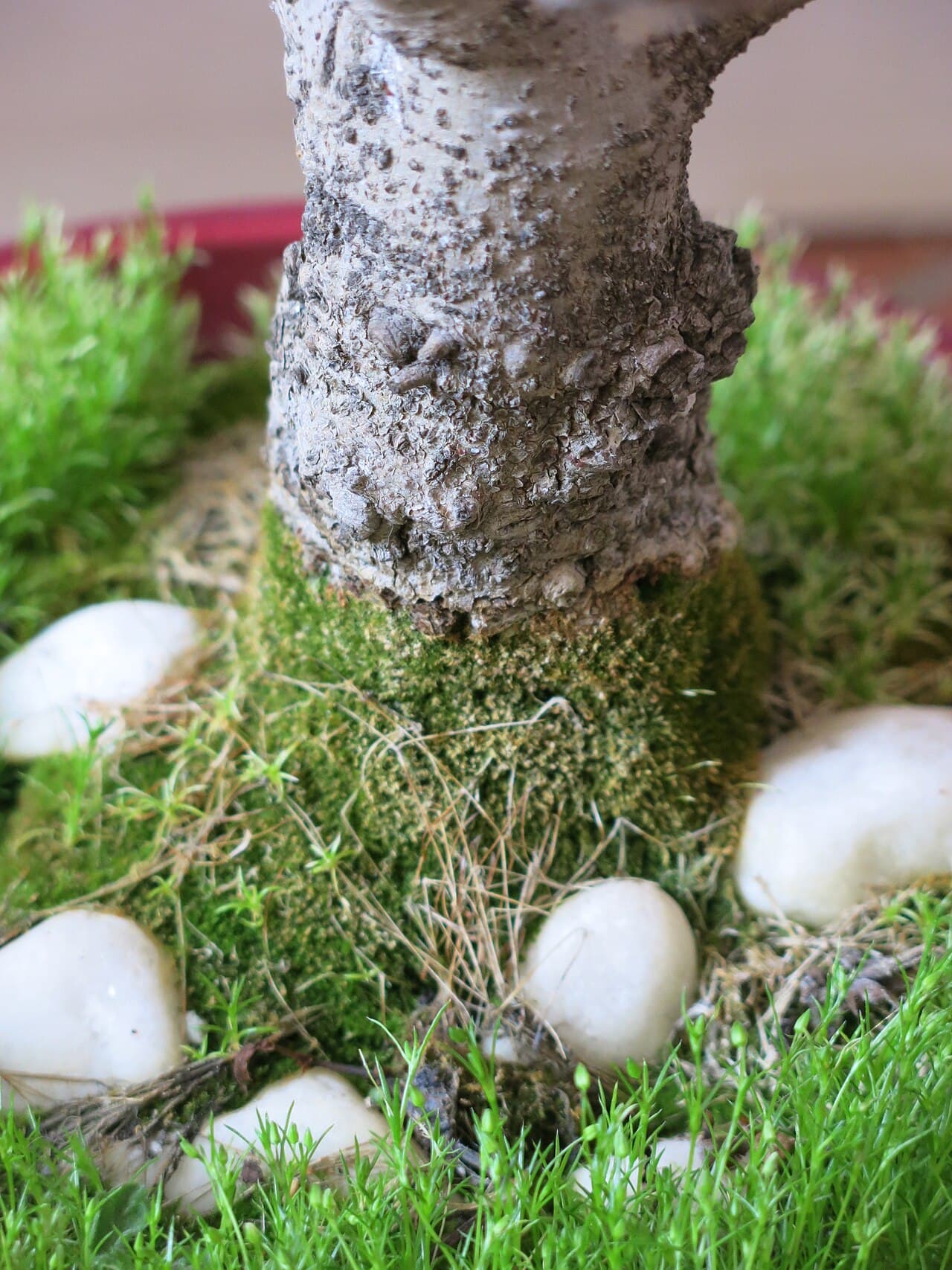
Effects of Mulching
- Retains soil moisture and reduces watering frequency during summer.
- Moderate sudden changes in soil temperature and reduce stress on the roots.
- Suppress weed growth and reduce the effort required for weeding.
- Prevents soil from splashing onto leaves and fruit during heavy rain and helps prevent disease.
- Organic mulch returns to the soil as it breaks down and contributes to soil improvement.
Selection of Materials
Organic mulch (straw, leaf mold, bark chips)
Straw, leaf mold, and bark chips maintain aeration while retaining moisture, and break down over time to return nutrients to the soil. They blend naturally into the landscape and are the most practical choice for home cultivation. Replenish as decomposition progresses.
Inorganic Mulch (Weed Suppression Fabric, Gravel)
Weed suppression fabric and gravel offer strong weed control and durability, but they do not return nutrients to the soil and the surface temperature tends to rise significantly in midsummer—points requiring attention. These materials suit areas where weed management is the priority, such as pathways or locations with persistent weed growth.
Application Timing and Methods
- Remove weeds from the base of the plant and lightly level the soil surface.
- Spread to a depth of 3–5 cm, covering the area where roots spread.
- Keep the material slightly away from the base of the trunk so it does not contact the stem directly.
- Apply mulch before early summer (around the time the rainy season ends) to prepare for dry conditions, and reapply in autumn or winter as needed.
Container-grown figs have limited soil volume and are more susceptible to drying and frost damage; mulching the entire soil surface of the pot is effective. For in-ground plantings, apply mulch around the base and over the area where roots are likely to have spread.
Points to Note
- When materials are placed in direct contact with the trunk, the resulting high humidity can promote rot and may provide egg-laying sites for longhorn beetles. Leave several centimeters of clearance around the trunk.
- Mixing undecomposed wood chips or sawdust into the soil can deplete soil nitrogen during decomposition, causing roots to suffer nitrogen deficiency. Apply these materials only as a surface mulch.
- Applying mulch too thickly in poorly draining locations can conversely lead to excessive moisture and root rot, so adjust the depth while monitoring drainage conditions.
Mulching is not a solution that addresses all care in a single step, but it is a fundamental practice that reduces the daily effort required for watering, weeding, and winter protection while stabilizing soil conditions. Begin with materials readily available such as straw or leaf mold, and gradually determine the materials and depth that suit the growing conditions. Information on the ease of cultivation for different varieties can be found in the variety guide, and practical management techniques are also available on the community forum.
Not sure what your fig is?
Post a photo of the leaves and fruit and see what other growers think. "Maybe" is a perfectly good answer here.
Post your figNot going the way you hoped?
Ask other growers on the board. A photo gets you a faster answer.