
Planting Multiple Fig Varieties | Preventing Misidentification Through Spacing and Label Management
Updated: 2026-09-16
Multiple fig varieties are often planted in gardens or containers to compare flavors and extend the harvest period. However, as the number of varieties increases, challenges arise with spacing between plants and the risk of confusion about which plant is which variety. This article covers spacing guidelines for planting multiple varieties and strategies using labels and records to prevent mix-ups.
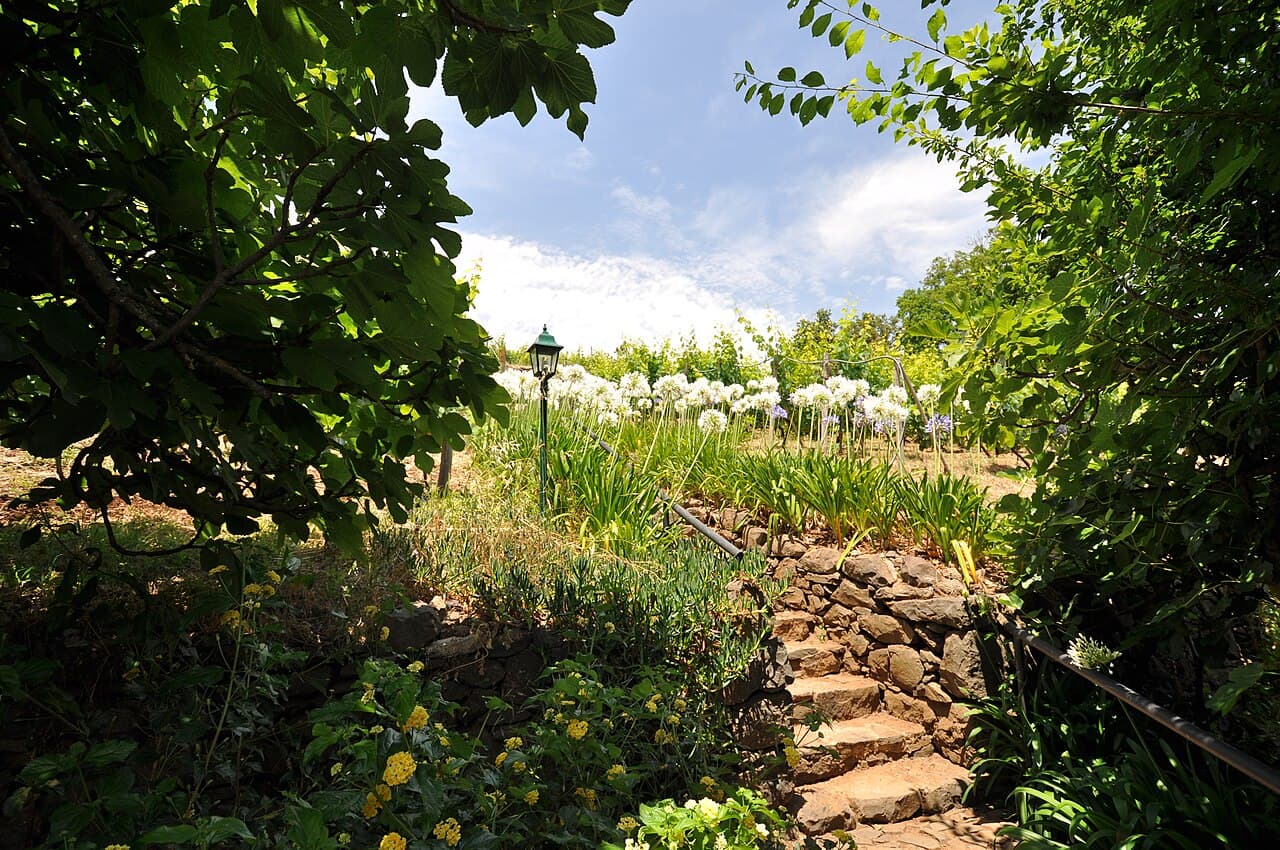
Spacing requirements by variety
Figs vary in vigor and mature size depending on variety. When vigorous varieties such as Masui Dauphine are planted in the ground side by side, their branches may overlap within a few years, and competition for sunlight can result in poor fruiting on one of the trees. Conversely, compact varieties such as Chicago Hardy tend to be easier to manage even when planted at closer spacing. Before planting, research the mature size and vigor of each variety. The standard practice is to allow wider spacing for stronger-growing varieties.
- Ground planting, vigorous varieties together: space 3 m or more apart
- In-ground planting and combination with compact varieties or root-restricted cultivation: 1.5–2 m spacing
- Container growing: Space pots so that leaves of adjacent plants do not touch, and maintain airflow passages between them.
Prevent cultivar mix-ups with labels and records
Even if the variety is remembered at planting time, distinguishing cultivars by leaf and bark appearance alone becomes difficult after several years. Paper labels are prone to fading from rain and sunlight exposure. Using weather-resistant metal or plastic tags inscribed with the cultivar name and securing them near the base of the main stem where they are unlikely to be removed during pruning provides reliable identification. Concurrently, recording the source of purchase, the cultivar designation at time of purchase, and the planting date in notes or a record book allows for verification later if inconsistencies in commercial naming are discovered.
- Secure a weather-resistant tag near the base of the main trunk (branch tips are prone to be lost during pruning).
- Record the source of purchase, variety name, and planting date in a log or note-taking application.
- Photograph the leaf shape and fruit form during the flowering to fruiting period using a smartphone, and store the images organized by variety.
- When propagating by cutting or air layering, remember to transfer the tag to the scion material as well.
Techniques for Standardizing Management Practices
Pruning timing and preferred fertilizer amounts vary by variety, so grouping similar varieties together when planting multiple figs simplifies management. Placing varieties harvested mainly for breba fruit adjacent to those grown primarily for main crop fig can cause pruning schedules to conflict, risking accidental removal of buds on one plant. Noting the management schedule for each variety in cultivation records prevents such errors. Additionally, varieties that develop into larger trees should be positioned toward the north or back to avoid competing for sunlight, while compact varieties should be placed in front or in well-lit locations, allowing both to receive adequate light more easily.
Planting multiple varieties extends the pleasure of harvest; however, neglecting spacing and record-keeping can lead to confusion about which tree is which variety after several years. Taking time at planting to organize labels and records will prove useful for variety identification later. When uncertain, comparing characteristics in the variety guide or posting photos to the forum to gather input from other growers is recommended.
Not sure what your fig is?
Post a photo of the leaves and fruit and see what other growers think. "Maybe" is a perfectly good answer here.
Post your figRelated varieties
Not going the way you hoped?
Ask other growers on the board. A photo gets you a faster answer.