
Fig Nutrition and Health Benefits|Nutrients, How to Eat, and Cautions
Updated: 2026-08-19
The fig is sometimes called "the fruit of immortality and longevity" and has long been valued as a nutritious fruit. That said, it is not a food that produces immediate symptom relief when consumed, but rather one fruit to incorporate into a balanced daily diet. This article outlines the characteristics of representative nutrients contained in figs, the different ways to eat them fresh and dried, and points to keep in mind.
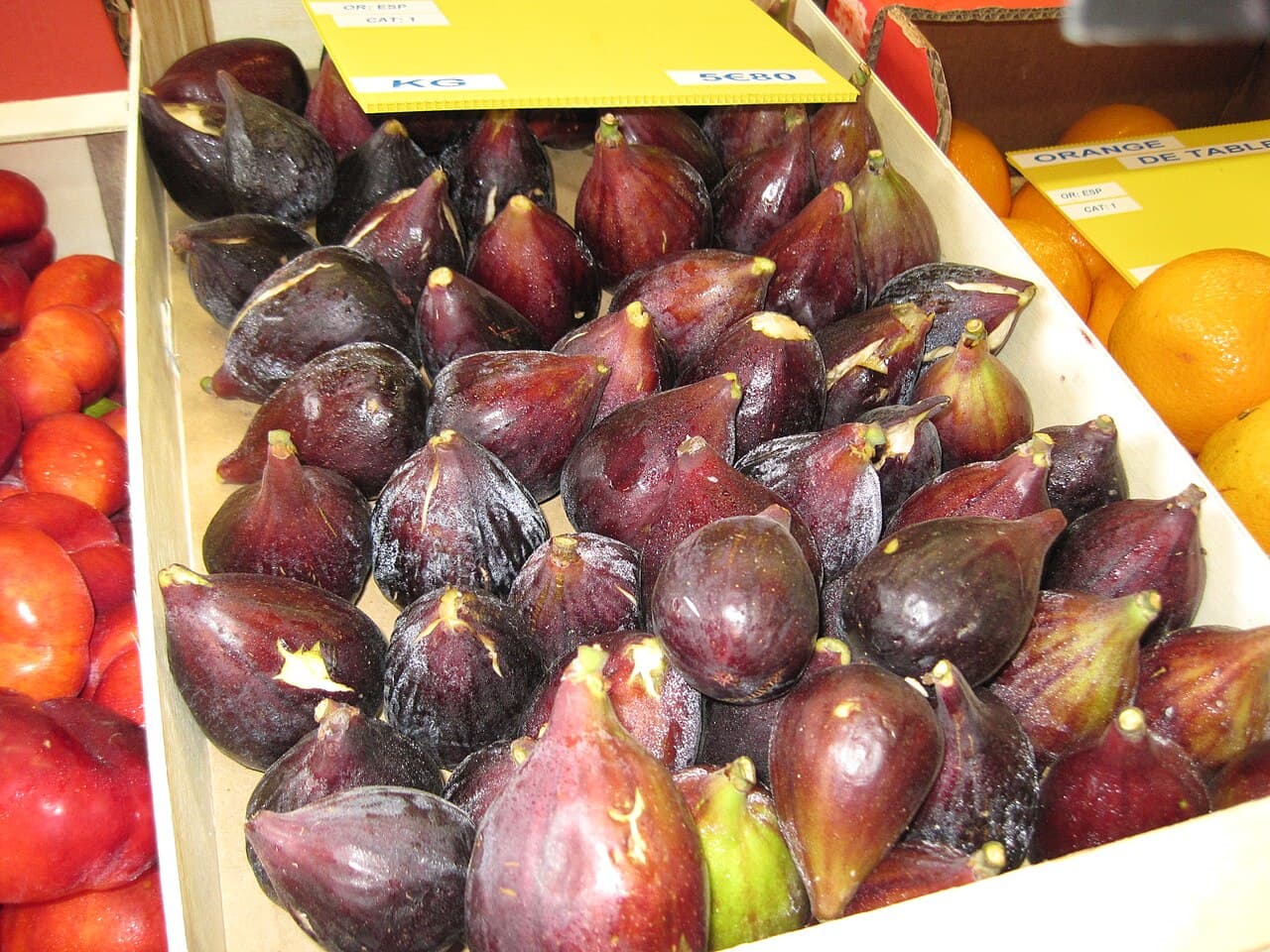
Major Nutrients in Figs
Figs contain several nutrients in balanced proportions. The principal ones are as follows.
- Dietary fiber: Rich in soluble dietary fiber (pectin), with higher amounts obtained when eating the skin.
- Potassium: one of the minerals contained in relatively high amounts among fruits.
- Calcium and iron: noted as relatively high in content for a fruit
- Polyphenols: The red-purple skin of the fruit contains pigment compounds such as anthocyanins.
- Sugar content: As the fruit reaches full ripeness, glucose and fructose increase, and natural sweetness becomes more pronounced.
The Difference Between Fresh Figs and Dried Figs
Fresh figs contain high moisture content and offer a clean sweetness along with a distinctive texture. Dried figs, by contrast, have their water content removed, which concentrates the sugar content, dietary fiber, and minerals—making it easy to obtain nutrition and sweetness from a small quantity. However, calories and sugars are also concentrated, so moderation is advised. For instructions on making dried figs at home, see also the article How to Make Dried Figs.
Tips for Enjoying the Flavor
Determining ripeness
Figs are fruits that do not sweeten much through post-harvest ripening, so the degree of ripeness at harvest largely determines flavor. Figs are ready to eat when the bottom portion has begun to split slightly and color has developed all the way to the stem. Differences in full-ripeness indicators by variety can be compared in the Variety Guide.
Pairing and serving examples
- Wash with the skin on, chill, and eat whole. The skin contains abundant dietary fiber and pigment compounds.
- Serve as an appetizer paired with prosciutto or cheese.
- Top yogurt or cottage cheese with figs.
- Overripe or damaged fruit can be used to make jam, ensuring nothing is wasted.
Things to Keep in Mind When Eating
- Contact with the white latex from unripe fruit or leaves and stems may occasionally cause skin irritation.
- Because figs contain substantial dietary fiber, eating large quantities at once may result in loose stools.
- People who need to restrict potassium intake due to limited kidney function or other conditions should consult with a physician or registered dietitian about appropriate serving sizes.
- People with allergies to certain fruits or pollen, such as oral allergy syndrome, should monitor for changes in physical condition.
For individuals with skin sensitive to the white latex, similar precautions are necessary during harvesting and pruning work. See the article Does fig sap cause skin irritation? Precautions during work for detailed information.
Figs vary considerably by variety in sweetness, texture, and skin thickness. Beyond nutritional differences, there is enjoyment in finding a variety that suits personal preference. When an interesting fruit is discovered, posting a photo to the bulletin board and discussing flavor and variety characteristics with other users is recommended.
Related varieties
Not going the way you hoped?
Ask other growers on the board. A photo gets you a faster answer.
This article was drafted with AI assistance and reviewed by the site operator. Variety details are for reference—please confirm identification through discussion on the board.
Reply0
Login required