
Should You Peel Figs? Preparation and Cutting Tips
Updated: 2026-10-23
Figs are fruits that can be eaten skin and all, but many people wonder, "Is it fine to eat the skin? And if I want to peel it, how should I do it?" In short, both approaches are correct. Skin thickness and texture vary with variety, ripeness, and growing conditions, so the general approach is to taste a fig and decide based on your preference. This article covers everything from washing and cutting to the steps for peeling, if you choose to remove the skin.
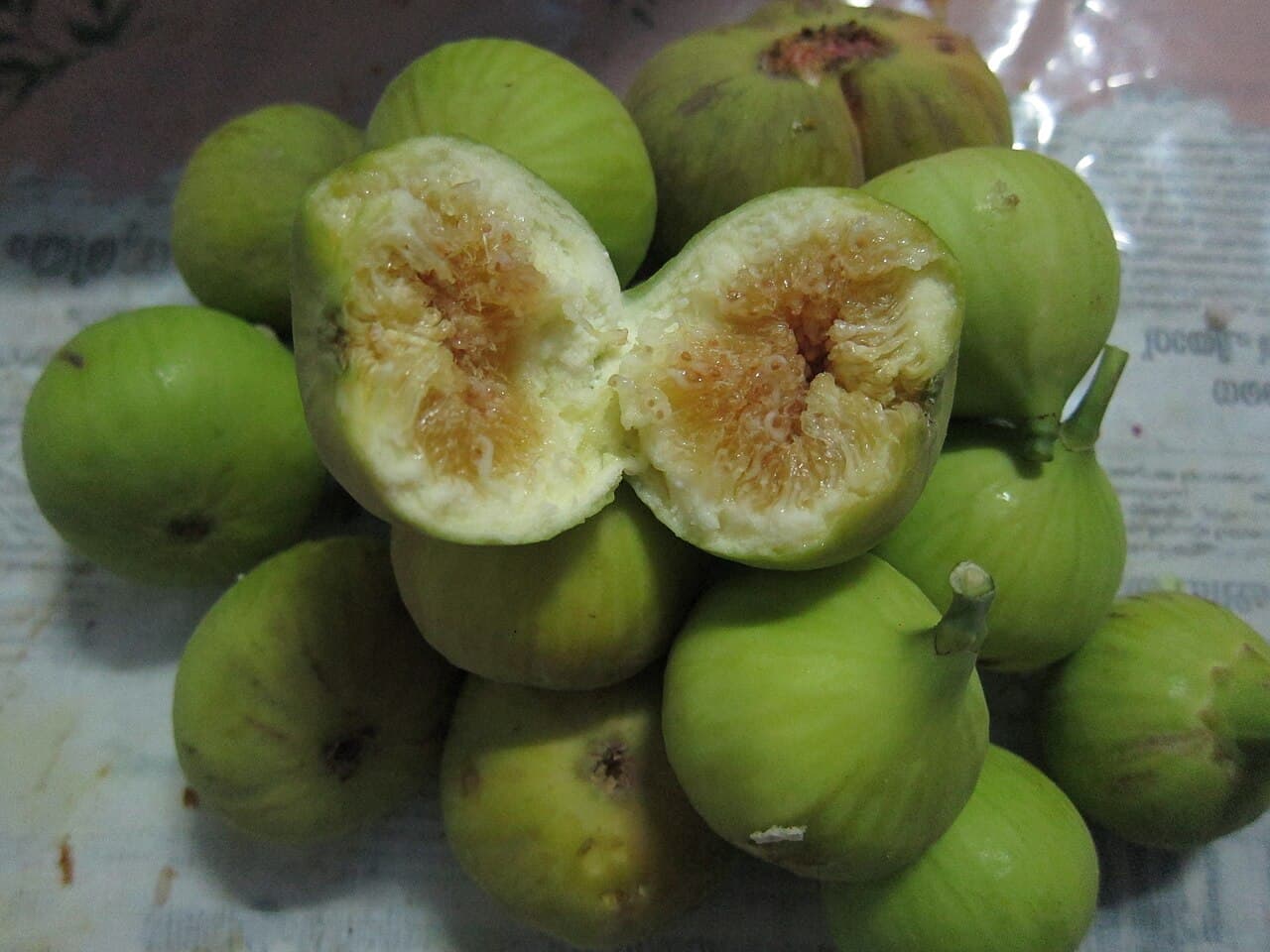
Eat the Skin or Peel It? A Guide to Deciding
Fully ripe figs with thin, soft skin can be eaten whole, which is simpler and lets you enjoy the flavor near the skin. Peeling is more practical in the following cases.
- Thick-skinned, and the skin tends to linger in the mouth when chewed.
- Slightly underripe, with a astringent or green flavor noticeable in the skin.
- Serving to young children or elderly people
- For prosciutto and dessert preparations where a smooth texture is the goal
Skin texture also varies by variety. For a side-by-side comparison of characteristics, see the variety guide.
Preparing Figs for Eating
Washing method
When eating the fruit skin and all, rinse it gently under running water. Ripe figs bruise easily, so avoid soaking them in a bowl of water or rubbing them. Rinse quickly, then pat the surface dry with kitchen paper.
Stem-end care
The hard stem portion that was attached to the branch is not eaten, so trim it off thinly with a knife, along with the stalk. The white sap that appears at harvest may cause skin irritation in people with sensitive skin, so wearing gloves is recommended if this is a concern.
Pruning Variations
- Halved lengthwise: the cut face shows clearly and serves as the basic presentation.
- Wedges: cut into 4 to 6 pieces, sized for easy eating as is
- Slicing into rounds: when placing thin slices on salads or tarts
- Cross-cut: quartering from the stem end so the fruit opens like a flower
Keep the knife dry and use a sharp one, which helps the flesh hold its shape. Ripe figs are soft, so slice with a gentle pulling motion rather than pressing down.
Peeling Steps
- Cut off the stem end, then pinch the edge of the skin starting from the stem side.
- Peel it by pulling downward with your fingertips, taking care not to damage the flesh.
- Remove any stringy strands of skin left behind with a paring knife.
- Eat them as soon as they are peeled, or refrigerate them and use them promptly.
Fully ripe figs often peel easily by hand. If the skin resists, make a shallow vertical cut from the stem end, which makes it easier to start. Peeled fruit discolors and dries out quickly, so it is best not to prepare it in advance.
Choosing Varieties by Culinary Use
When making jam, compote, or other cooked preparations, leaving the skin on adds color and retains flavor. For raw eating or cold dishes, decide whether to keep the skin based on its texture. For storage, see Post-Harvest Storage Methods.
Summary
Fig skin can generally be eaten along with the flesh when the fruit is fully ripe and the skin is thin. If the skin feels thick or astringent, peeling is the better choice. When washing, do so quickly, and when cutting, draw the blade through rather than pressing down, so the flesh is not damaged. The texture of the skin varies with growing conditions and cultivar. For sharing impressions after tasting, see the message board, which can also serve as a reference for other growers.
Not sure what your fig is?
Post a photo of the leaves and fruit and see what other growers think. "Maybe" is a perfectly good answer here.
Post your figNot going the way you hoped?
Ask other growers on the board. A photo gets you a faster answer.