
Fig Foliar Spray Application | Auxiliary Fertilizing Technique for Liquid Fertilizer Absorption Through Leaves
Updated: 2026-10-05
Fertilizer application methods that incorporate basal dressing or supplemental fertilizer into the soil require time before roots can absorb the nutrients. Foliar feeding, by contrast, involves spraying diluted liquid fertilizer or plant tonics directly onto leaves to allow nutrient uptake through the leaf surface, and produces results more quickly. While foliar feeding does not replace soil fertilization but rather serves as a supplementary measure, understanding its application can be useful for restoring vigor during the growing season. This article outlines situations where foliar feeding is appropriate, dilution ratios and timing of application, and precautions to observe.
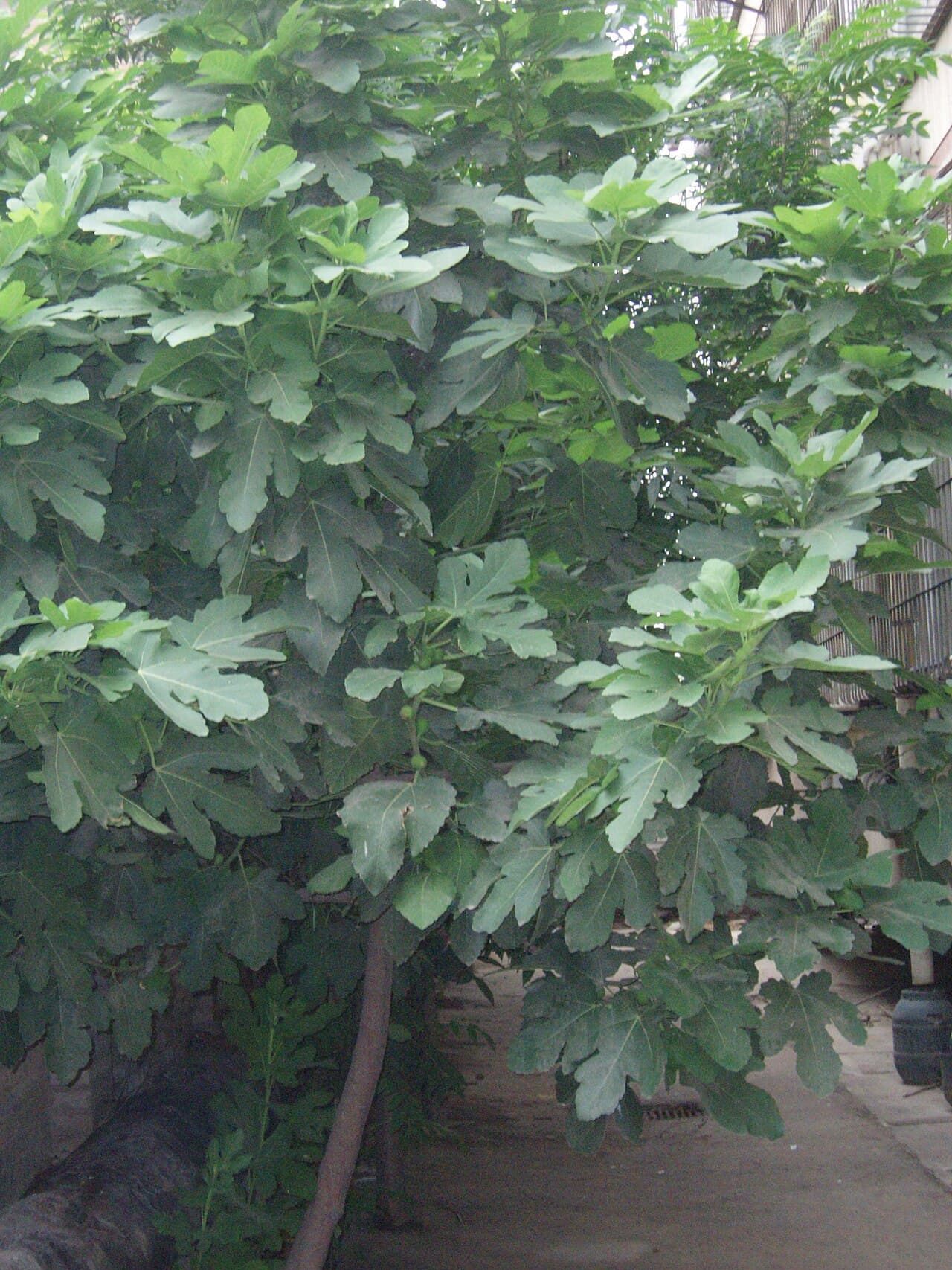
Differences Between Foliar Spraying and Soil Fertilization
Soil fertilization acts slowly as roots absorb nutrients, but it deposits nutrients in the soil for long-lasting effect. Foliar spraying allows direct absorption through leaf stomata and epidermis, producing faster results—leaf color changes may appear within days—but the effect is short-lived and functions as a supplement to root absorption. Using basal fertilization and supplemental feeding as described in the article on selecting fig fertilizers as the foundation, with foliar spraying as a fine-tuning measure to fill the gaps between applications, provides a clearer approach.
Situations Suited to Foliar Spraying
- Emergency supplementary support during periods immediately after repotting or root injury, when nutrient absorption through the roots remains weak.
- When light leaf coloration or sluggish new shoot growth appears, indicating mild nutrient deficiency
- Temporary nutrient supplementation during periods when root function has declined due to prolonged rain or excessive moisture
- When growing in containers, nutrients tend to leach out with each watering, and supplemental feeding at regular intervals during the growing season is desirable.
Dilution ratio and timing of application
Keep the concentration dilute.
Foliar fertilizers must be diluted according to the product label; do not increase concentration based on personal judgment. Leaves are more sensitive than roots to concentrated nutrient solutions and may suffer leaf burn or chemical damage if the concentration is too strong. When using a new product for the first time, test it on a few branches before applying it to the entire tree to ensure safety.
Water during the cool hours of early morning or late evening.
Applying spray during midday when temperatures are high and sunlight is strong promotes rapid moisture evaporation from leaves, increasing the risk of phytotoxicity. The standard approach is to spray in early morning before temperatures rise, or in the evening as sunlight weakens, ensuring even coverage of both the upper and lower leaf surfaces. Avoid spraying immediately before rain, as the product will wash off.
Cautions and Risks of Overtreatment
- Frequency should be limited to approximately once or twice monthly during the growing season as a guideline, and should not be performed weekly as a substitute for soil fertilization.
- Ensure adequate air circulation after application, as prolonged leaf wetness can promote moisture-loving diseases such as rust.
- Avoid application during flowering periods or extreme heat and drought. Apply when the tree is in stable condition.
- Direct application to fruit can cause stickiness and soiling, so spray primarily on the foliage.
Foliar feeding is an emergency measure at best; the fundamental approach is to supply nutrients through soil fertilization. By monitoring leaf color and new shoot growth, applying dilute solutions only when needed—this measured approach allows even vigorous varieties like Masui Dauphine and Toyomitsuhime to be supported in their growth without risk of excessive vegetative vigor. When in doubt about application methods, consulting other growers on the discussion board is also recommended.
Not sure what your fig is?
Post a photo of the leaves and fruit and see what other growers think. "Maybe" is a perfectly good answer here.
Post your figRelated varieties
Not going the way you hoped?
Ask other growers on the board. A photo gets you a faster answer.