How to Make Baked Fig Goods|Selecting Figs for Pound Cake and Tart
Updated: 2026-10-14
Figs are often thought best eaten fresh, but they are actually well-suited to baked goods such as tarts and pound cakes. When heated, their sweetness becomes concentrated, and the distinctive texture of the seeds provides an appealing accent. Figs are also convenient to use when harvests overlap and fresh fruit cannot be consumed quickly, or when ripe fruit begins to soften. This article summarizes how to select fruit suitable for baking, preparation techniques, and key points for reliable results.
Selecting Figs for Baking
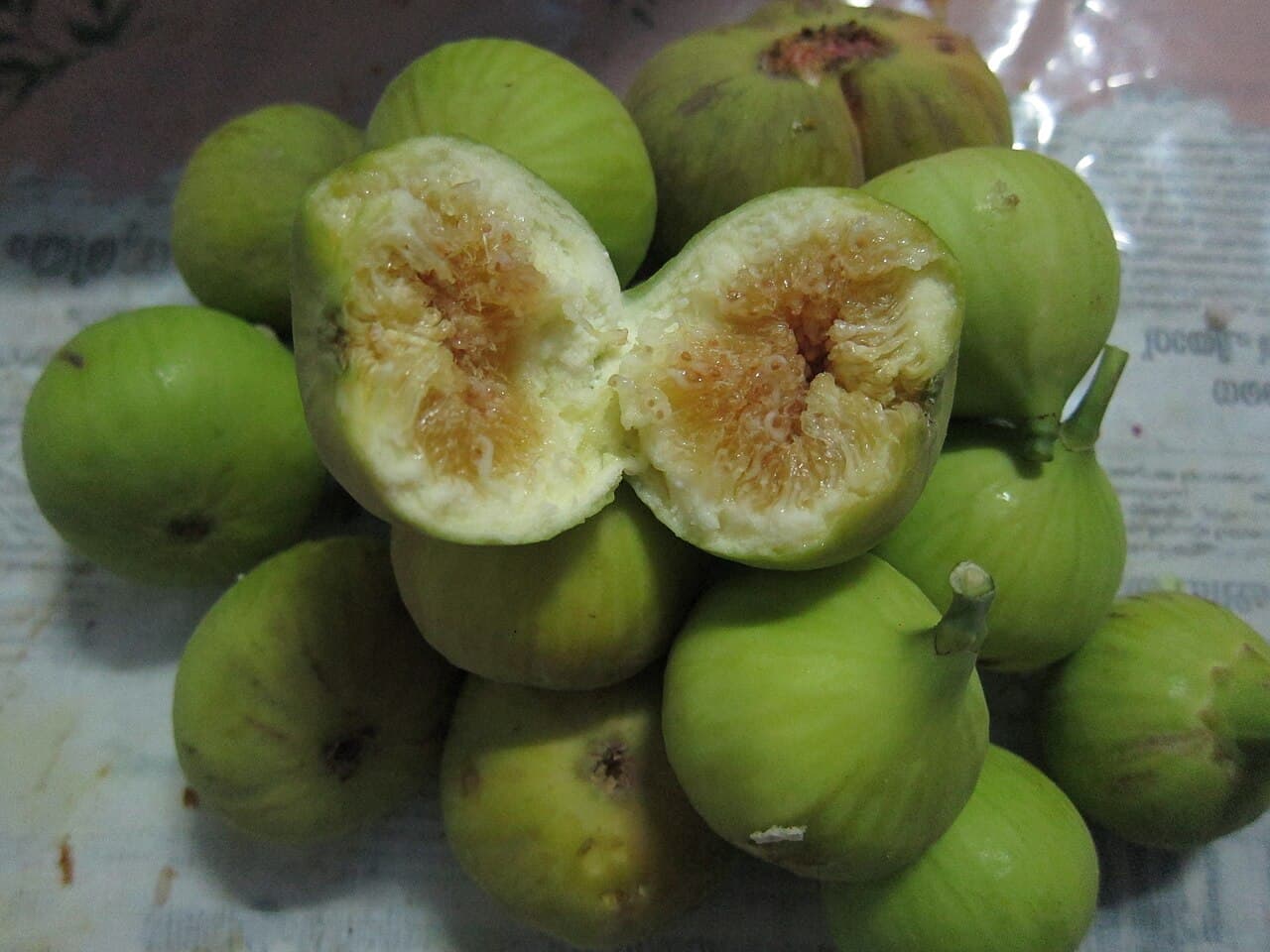
Fully ripe figs with developed aroma but still holding their shape work best for baked goods. Extremely soft figs contain excess moisture and can make batter sticky. In such cases, directing them to jam or compote prevents waste.
- Figs harvested just before full ripeness, while still slightly firm, have clean-cut surfaces and yield an attractive appearance when baked.
- Varieties with firm, densely packed flesh are less prone to releasing moisture and less likely to sink into the dough.
- Small fruit is easy to display whole or halved and cut into wedges.
- Remove damaged portions generously, and do not use fruit with mold or off-odors.
For information on taste differences among varieties, refer also to Variety Tasting Guide.
Preparation Tips
Washing and Skin Handling
Figs have thin, delicate skin that bruises easily. Rinse gently under running water and pat dry with paper towels. The skin is edible and does not need to be removed. Trim only the hard stem end.
Moisture management
In baked goods, excess moisture is a primary cause of failure. Placing cut figs on paper for several minutes to remove surface moisture helps prevent them from sinking into the batter. For particularly moist figs, lightly coating them with granulated sugar and discarding the released liquid is an alternative approach.
Standard Baked Goods and Preparation Tips
Pound Cake
Arrange the figs on top of the dough or mix them into the dough. When mixing them in, lightly dust the figs with a small amount of cake flour to help prevent them from sinking.
- Preheat the oven to approximately 170°C and line the pan with parchment paper.
- Cream together the butter and sugar until pale, then add the eggs gradually.
- Mix the dry ingredients until just combined, then arrange the halved figs in a single layer.
- Bake for 40–50 minutes and remove when a toothpick inserted into the center comes out clean.
Tart
Spread almond cream on a pre-baked tart shell and arrange fig wedges in a radial pattern, then bake. As figs release moisture when present in quantity, apply the cream slightly thicker for stability. Once baked, brush a thin layer of apricot jam over the surface to add sheen and prevent drying.
Crumble Gratin Style
Place sliced figs in a heat-resistant dish, scatter crumble made from butter, flour, and sugar over them, and bake. This straightforward method works well for figs that have softened slightly, since the fruit need not hold its shape.
Storage and Shelf Life Considerations
- Allow baked goods to cool completely before wrapping.
- Store at room temperature outside of summer; essentially refrigerate and consume within 2–3 days.
- For long-term storage, wrap individually and freeze. Thaw naturally or reheat gently.
- Because fresh fruit is used, shelf life is generally shorter than that of standard pound cake.
Ways to Make the Most of Growing Figs
When growing figs, there are periods when many fruits ripen at once. Processing the surplus harvest into baked goods extends the enjoyment of the crop. To record the characteristics of the varieties grown or share impressions of the baked results, posts can be made on the discussion board.
Summary
Baked fig goods succeed when firm fruit selected just before full ripeness is thoroughly dried of surface moisture. Pound cakes, tarts, and crumbles involve no difficult steps, and allow the homegrown harvest to be enjoyed with no waste. Begin with a small mold to test, then explore favorite combinations with preferred varieties.
Not sure what your fig is?
Post a photo of the leaves and fruit and see what other growers think. "Maybe" is a perfectly good answer here.
Post your figNot going the way you hoped?
Ask other growers on the board. A photo gets you a faster answer.