
Propagating Figs by Air Layering | Techniques and Tips for Root Development
Updated: 2026-07-27
While propagation by cuttings is the standard method for figs, air layering is suited to thicker branches or when a particular branch must reliably become a sapling. Air layering produces higher success rates because the branch develops roots while still attached to the tree, and yields a sapling of considerable thickness at the time of separation. This article explains the mechanism of air layering and how it differs from cuttings and grafting, the appropriate season, specific procedures using sphagnum moss, and the process from root formation through separation and potting.
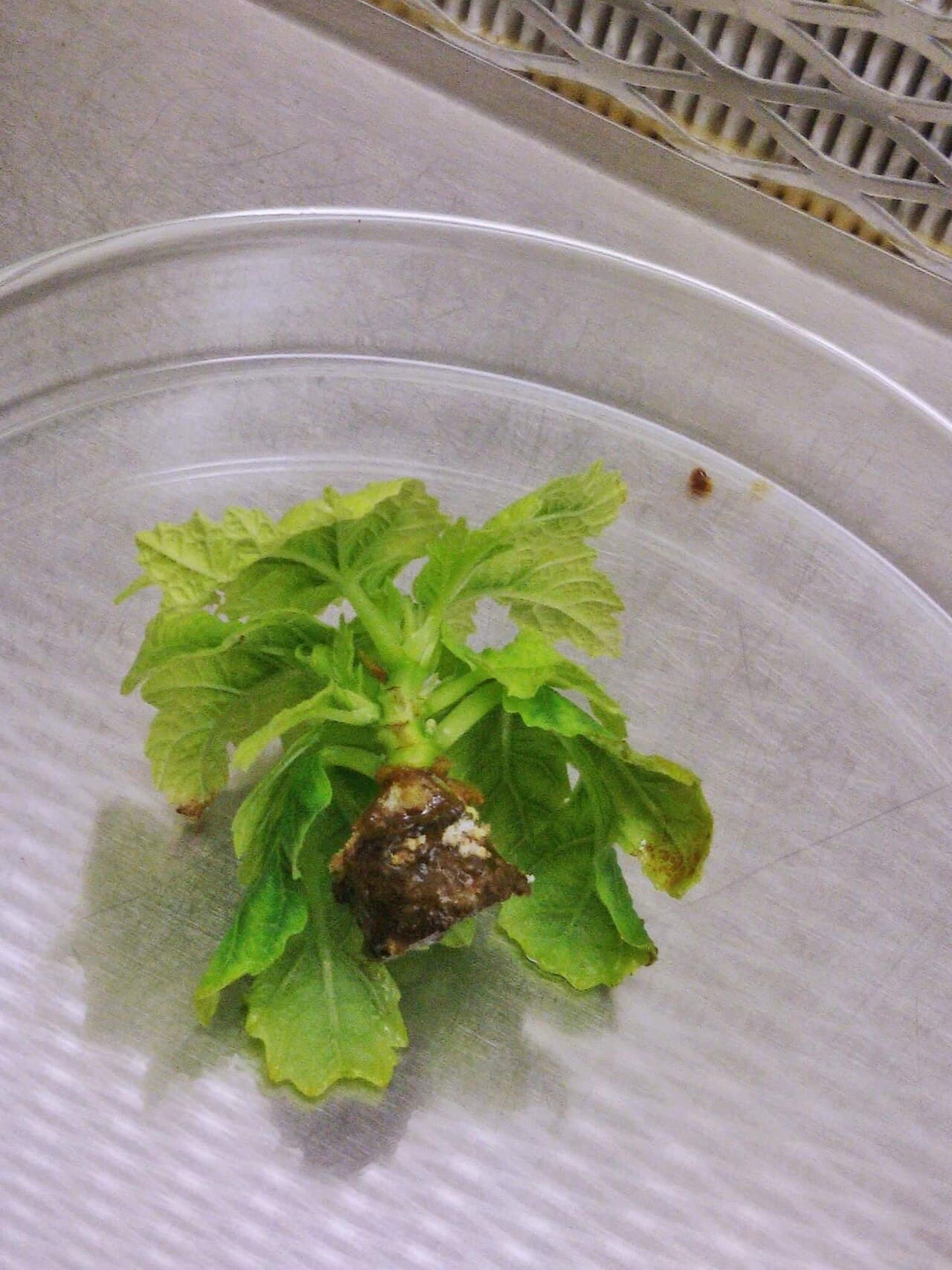
Air Layering: What It Is and How It Differs from Cuttings and Grafting
Air layering is a propagation method in which a portion of a branch attached to the parent tree is wounded or wrapped in soil or sphagnum moss to induce rooting at that location, after which the rooted section is severed and separated. Unlike cutting propagation, which carries the risk of a certain percentage of cuttings dying after severance, air layering maintains water and nutrient supply from the parent tree during root development, providing a higher success rate and greater resistance to failure. Unlike grafting, there is no need to prepare a separate rootstock. However, fewer plants can be propagated at one time compared to cutting propagation, and the process from initiation to a finished nursery plant requires several months, which can be considered a drawback.
Optimal Timing for Air Layering
Air layering of figs is most successful when performed from April to June, during the period from new growth through the onset of the rainy season. At this time, active sap flow in the branches and rising temperatures with easier humidity maintenance create favorable conditions. The sphagnum moss remains moist longer and management until root formation becomes simpler. Avoid performing air layering during the intense heat of midsummer, when the moss dries quickly, and during midwinter, when root development progresses very slowly.
Materials Needed
- Well-developed healthy 1- to 2-year-old wood (slightly thicker than a pencil is easiest to handle)
- Sphagnum moss (rehydrated with plenty of water)
- Clear or black plastic sheeting, or commercially available air layering pots
- String or vinyl ties for binding the top and bottom
- Sharp utility knife, rooting hormone (optional)
Growing procedure
- Select a branch for air layering and remove a band of bark 2–3 cm wide around the desired rooting site, exposing the cambium layer (ring barking).
- Applying a rooting hormone to the exposed area promotes more stable root formation.
- Wrap that section thoroughly with sphagnum moss that has been rehydrated in plenty of water.
- Cover the sphagnum moss with vinyl sheeting, and tie the top and bottom securely with twine to seal it, preventing drying out and the entry or exit of rainwater.
- When direct sunlight is intense, lightly cover the plant from above with aluminum foil or similar material to prevent excessive heat buildup.
Confirming Root Development and Management Precautions
After wrapping, check the moisture level of the sphagnum moss regularly. When the interior of the plastic appears dry and whitish, add small amounts of water using a syringe or dropper. Excessive moisture can cause rot, so avoid making the moss overly wet. Success is indicated when white roots become visible through the plastic after approximately 1–2 months.
Detachment and Potting Up
- After confirming that the roots are well-established in the sphagnum moss, cut below the rooted section to separate it from the parent plant.
- Plant in the pot with the sphagnum moss still attached to the roots, without forcibly removing it.
- After planting, condition the fig in bright shade for several days to one week, then gradually acclimate it to full sun once the roots have settled.
- After separation, roots are still sparse, so take care not to let the medium dry out.
Cuttings made through air layering have the advantage of faster subsequent growth because the resulting plantlets already possess branches of considerable thickness and foliage from the start. Hardy and easy-to-handle varieties such as Masui Dauphine, Toyomitsuhime, and Brown Turkey are also well-suited for practicing air layering. When the variety of the branch to be propagated is unclear, comparing characteristics in the variety guide or consulting on the forum may be helpful.
Air layering is a method that yields reliable rooted cuttings with greater certainty than conventional cuttings, provided three key points are observed: girdling, moisture retention with sphagnum moss, and proper timing. When propagating from a favored tree's thicker branches, air layering is worth attempting.
Not sure what your fig is?
Post a photo of the leaves and fruit and see what other growers think. "Maybe" is a perfectly good answer here.
Post your figRelated varieties
Not going the way you hoped?
Ask other growers on the board. A photo gets you a faster answer.