
How to Propagate Figs by Water Propagation | Rooting Without Soil
Updated: 2026-07-30
The standard method for propagating fig is dormant hardwood cuttings inserted into soil, but water propagation—simply placing cuttings in a cup or plastic bottle—offers a more convenient alternative. It requires no potting soil or containers and can be done in a kitchen corner, with the added appeal of observing root development directly. However, roots formed in water differ in nature from those developed in soil, making them prone to wilting after transplanting. This article covers the steps for water propagation, techniques for improving success rates, and the timing for moving cuttings into soil.
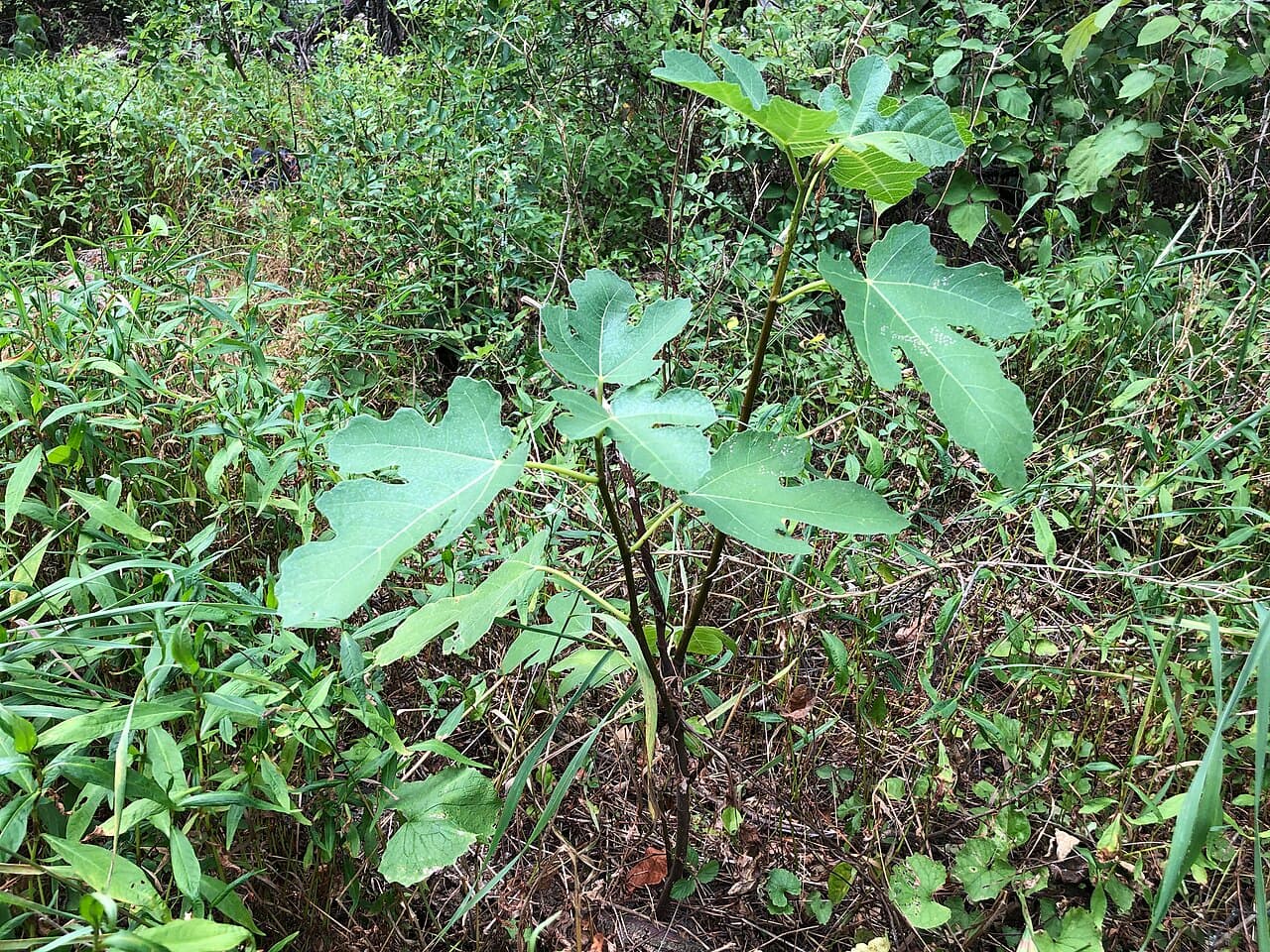
Benefits and Drawbacks of Water Propagation
- Advantage: No soil or pot required, making it easy to start indoors.
- Advantage: root development becomes visible through the transparent container, making it easy to monitor rooting progress
- Weakness: roots developed in water (water roots) are brittle and susceptible to drying, making the fig prone to decline immediately after transplanting into soil.
- Weakness: Without changing the water, bacteria proliferate and the cut ends are prone to rot.
If certainty is the priority, use dormant hardwood cuttings; if ease of handling and ease of observation matter more, use water propagation. Choose the method according to which factors are most important. Since there are no major differences based on variety characteristics, it is practical to first experiment with pruning trimmings.
Materials Needed
- Mature wood that grew the previous year (approximately pencil thickness, cut into 15 cm sections bearing 2–3 buds)
- A container with a wide mouth—such as a cup, glass jar, or cut plastic bottle—in which cuttings stand stably.
- Water that has been left to settle or tap water with chlorine partially removed
- Clean pruning shears (wipe with alcohol or similar disinfectant before use to prevent bacterial contamination of the cut surface)
Water Propagation Procedure
- Recut the lower end of the branch at an angle to increase the cross-sectional surface in contact with water.
- Insert the cutting into a container filled with water to a depth where the lower one or two buds are submerged. Keep the upper buds above the water line.
- Place in a bright indoor location away from direct sunlight, or in partial shade.
- Change the water every 2–3 days, replacing it regularly to prevent slime buildup and cloudiness.
- White roots begin to emerge near the cut surface after approximately 3 to 6 weeks.
The optimal timing is the dormant period from after leaf drop to before growth begins (around February to March), which is easier to handle, the same as with soil insertion. Indoors, propagation can be attempted even in deep winter. Even if buds open first, roots may not have formed, so wait patiently until roots are confirmed.
Timing for Transplanting to Soil and Hardening Off
The transplanting stage is where water propagation most often fails. Roots developed in water are delicate, and planting them directly in soil can cause wilting.
- Transplant after roots have grown to 2–3 cm, with multiple roots emerging (rushing with only a single thin root reduces establishment success).
- Plant gently into a 3-inch pot filled with clean soil composed primarily of akadama soil (small grain), taking care not to damage the roots.
- For several days immediately after repotting, place in bright shade and maintain the soil in a lightly moist state.
- Do not expose to direct sunlight or drying conditions abruptly; over 1–2 weeks, gradually acclimate to normal management conditions.
When new shoots begin to elongate and the roots feel firmly established in the soil, this indicates successful establishment. After this point, grow the plant in a bright location like any other seedling. Even if leaves wilt somewhat immediately after transplanting, the plant will often recover if the roots are actively growing. Monitor carefully to prevent drought stress.
Common Problem Areas
- Leaving water unchanged → cut ends rot, branches deteriorate before roots form
- Submerging up to the upper bud in water → buds are prone to rot and damage from moisture.
- Rushing to plant in soil while roots are shallow → water roots cannot tolerate drying out and will die back.
- Cuttings from excessively vigorous shoots or old wood → poor ripeness and difficult rooting
水挿しは道具がいらず、根が伸びる様子を観察できる手軽な増やし方です。ただし水中の根は土中根よりデリケートなので、植え替えのタイミングと慣らし方を丁寧に行うことが成功のカギになります。もらった枝の品種が分からないときは品種図鑑で候補を探したり、掲示板で相談してみるのもおすすめです。初めての一株には、桝井ドーフィンやとよみつひめのような丈夫で育てやすい品種の枝から試すと失敗が少ないでしょう。
Not sure what your fig is?
Post a photo of the leaves and fruit and see what other growers think. "Maybe" is a perfectly good answer here.
Post your figRelated varieties
Not going the way you hoped?
Ask other growers on the board. A photo gets you a faster answer.