
Propagating Figs from Sucker Growth | Division Methods and Precautions
Updated: 2026-09-02
Figs can be propagated by methods beyond cuttings and grafting. Shoots arising from the base of the plant, called "hikobae" (basal sprouts), can be dug up and established as independent plants through a division-like technique. The advantage of this method is that propagation begins from shoots that already possess roots; however, depending on the stock origin, the resulting plants may differ in character from the parent plant. Key considerations for this method are outlined below.
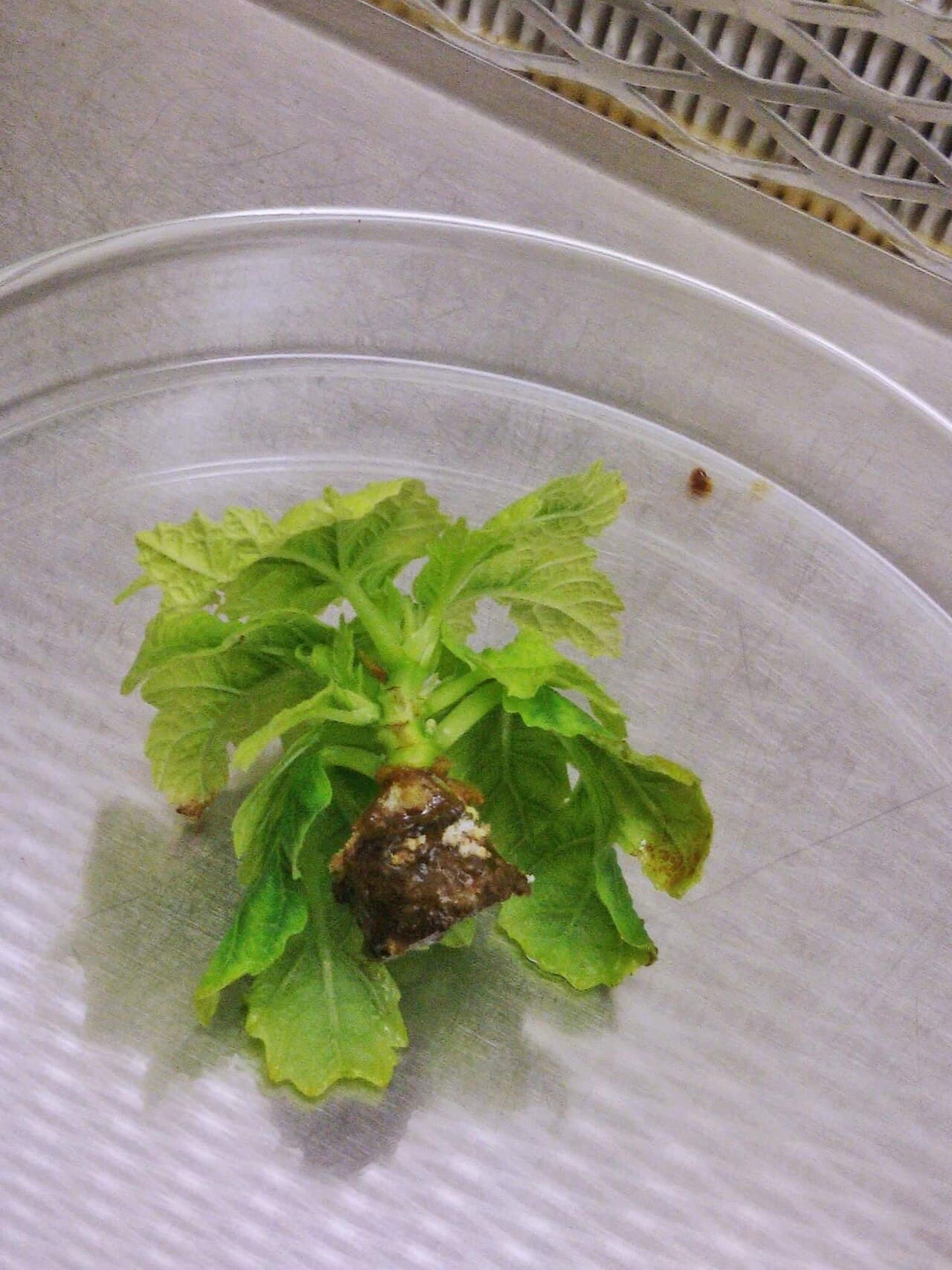
Suckers
Suckers are new shoots that emerge from the base of the trunk or from roots near the soil surface. Figs have shallow root systems and tend to produce multiple suckers from the base, particularly in response to pruning, plant aging, or root damage and recovery. Left unmanaged, suckers divert nutrients from the main trunk, so they are normally removed. However, suckers that have developed their own roots can be carefully dug up and used as independent plants for propagation.
Differences Between Own-Rooted and Grafted Plants
Whether plants propagated by this method will possess the same characteristics as the parent stock depends on the stock's origin. With own-rooted plants grown from cuttings or air layering, suckers arise from the same root system as the parent, so they typically inherit the parent's characteristics. Conversely, with grafted plants where a variety is grafted onto rootstock, suckers emerging below the graft union (from the rootstock side) will develop the characteristics of the rootstock and may grow into a plant different from the grafted variety. Before excavating, it is important to determine whether the sucker is emerging above or below the graft union.
Timing and Method for Digging Up
The dormant season when the plant is leafless is suitable for the work. During dormancy, stress on the roots is minimal, and the divisions establish more readily after separation.
- Gradually excavate the soil around the base of the plant to check how far the sucker's roots are connected to the parent plant's roots.
- Confirm that the sucker shoot has a sufficient number of fine roots attached, then sever the connection to the parent plant using a clean blade.
- Separate divisions should be planted in containers or in their final location as soon as possible, and watered thoroughly to settle the soil.
Avoid forcing growth on shoots with few roots.
When excavating reveals few fine roots attached, it is best to refrain from forcing separation. Establishing independence with insufficient root mass significantly reduces the subsequent success rate of establishment. When uncertain, the option exists to limit work to thinning that year and defer reassessing root development to the following year or later.
Management After Division
During the first few weeks after planting, prioritize root establishment over top growth. Minimize plant stress by providing partial shade away from strong direct sun and wind, while avoiding both drought and excessive moisture. Once new shoots begin to emerge and leaves unfold consistently, the plant has successfully established.
Propagation by division using root suckers is an accessible method that can begin with rooted shoots. However, when selecting material from grafted plants, note that the resulting variety may differ from the original. When uncertain about identifying which variety a dug-up plant represents, consulting on the discussion board with photographs is one approach to consider.
Not sure what your fig is?
Post a photo of the leaves and fruit and see what other growers think. "Maybe" is a perfectly good answer here.
Post your figNot going the way you hoped?
Ask other growers on the board. A photo gets you a faster answer.