
Propagating Figs from Root Cuttings | Steps and Tips for Multiplying with Thick Roots
Updated: 2026-09-27
While cuttings and air layering are the standard methods for propagating figs, root cuttings offer an alternative approach. When pruning or repotting, thick roots that are severed can be used for propagation through a technique called root layering. Since this method does not require shoots from above ground, unused roots generated during pruning can be utilized efficiently. This section outlines the mechanism of root layering, the procedure, and common points of failure.
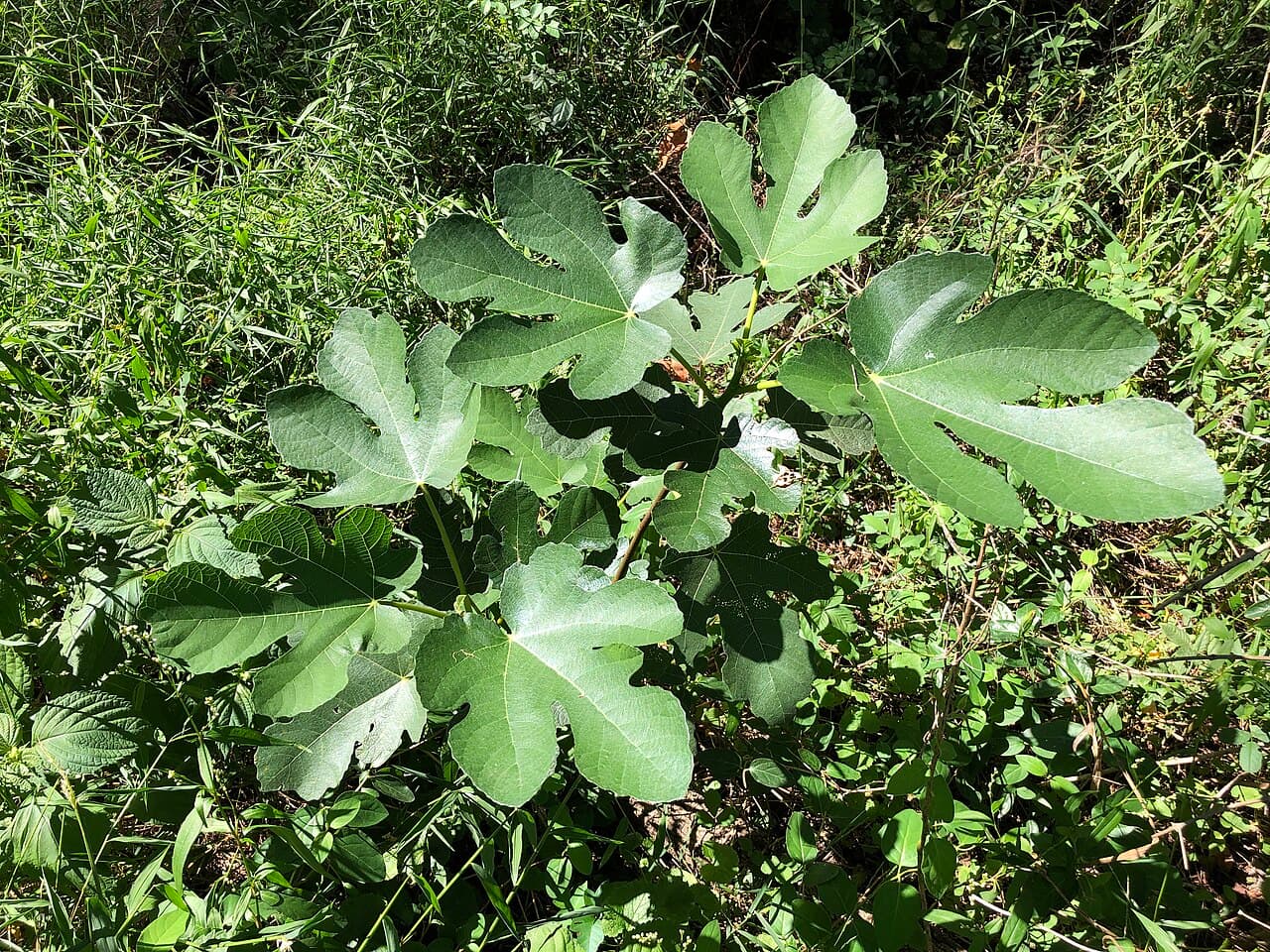
Root Cuttings: Definition and Differences from Cuttings and Air Layering
Root layering is a propagation method in which a portion of root beneath the soil is cut and buried in soil to induce rooting and shoot emergence. Fig roots readily produce adventitious buds—shoots that emerge from locations where buds do not normally form. When roots approximately 1 cm in diameter are cut and buried in moist soil, shoots may extend from near the cut surface. Hardwood cuttings require management of dormant scion wood since they use above-ground branches, and air layering involves selecting a suitable location on the tree for rooting while still attached. Root layering differs in that it makes direct use of "severed roots" produced during transplanting or root pruning, which is its distinguishing characteristic.
Timing and Materials Needed
- Timing: During dormancy to before budbreak (late winter, avoiding the coldest periods). Performing this in conjunction with repotting or root pruning makes obtaining roots easier.
- Roots to use: Healthy roots approximately 1 cm in diameter and 10–15 cm long. Roots that are too thin tend to fail due to drying out or rot.
- Soil: Use soil with good balance between drainage and water retention (small red volcanic soil + leaf mold, or propagation medium)
- Containers: seedling pots or seedling trays. For in-ground planting, a nursery bed may be used.
Rooting Procedure
- When repotting or excavating around the base of the plant, select healthy roots of appropriate thickness and cut them out with a clean blade.
- Mark the orientation of the cut root segments so that the upper and lower ends (the side near the base and the tip end) can be distinguished.
- Place the fig cutting horizontally in a container with potting soil, and cover with 2–3 cm of soil. Avoid planting too deeply.
- Water to settle the soil, and maintain the plant in bright shade to partial shade.
- Water when the soil surface dries out, keeping it consistently lightly moist.
- As temperatures rise in spring, new shoots emerge from the soil. Once the shoots have elongated and several leaves have opened, this indicates root activity has begun. Gradually acclimate the plant to sunlight at this point.
Key Management Points and Precautions Until Root Development
Root layering tends to show greater variation in the time required to sprout compared to cuttings. Buds may emerge in a few weeks, or they may take one to two months, so it is important not to give up prematurely and dig up the rooted section before any growth is visible. Excessive drying causes root death, while constantly wet soil promotes rot; therefore, use well-draining potting soil with drainage holes at the base, and keep the planting location sheltered from rain. Once shoots emerge and leaves unfold, acclimate gradually to sunlight as with any standard seedling. When the root system becomes established and fills the container, transplant into a pot one size larger or directly into the ground.
Precautions When Using Grafted Sapling Roots
When propagating by root cuttings, an important consideration is whether the original tree is grafted or own-rooted. The roots of grafted trees are often derived from rootstock (tōgi), and if shoots emerge from such roots, the resulting plant may develop the characteristics of the rootstock rather than the desired variety. It is safest to use roots from own-rooted (jikon) trees—those grown from seed or cuttings—rather than from grafted specimens. For nursery trees of uncertain origin, it is advisable to confirm the background on forums or similar resources before attempting propagation.
Root layering can be attempted without special tools, as an additional step during pruning or repotting. However, germination rates and growth speed are less reliable than with cuttings, so for reliable propagation, it is recommended to try root layering alongside cuttings or grafting. When sprouting is unsuccessful or when there is uncertainty about whether growth originates from the rootstock, consulting the discussion board can be helpful. Posts in the variety guide also provide useful information about propagation ease trends for different cultivars.
Not going the way you hoped?
Ask other growers on the board. A photo gets you a faster answer.
This article was drafted with AI assistance and reviewed by the site operator. Variety details are for reference—please confirm identification through discussion on the board.
Reply0
Login required