
Fig Watering Basics | Frequency and Amount Guide for Ground and Container Planting
Updated: 2026-09-25
Figs are relatively drought-tolerant fruit trees, yet both water stress and waterlogging lead to poor growth and fruit drop. A fixed watering schedule cannot accommodate differences between in-ground and container cultivation, making it essential to develop the habit of assessing soil conditions based on location and season. This section outlines watering principles for in-ground and container-grown figs, and explains how to recognize signs of failure.
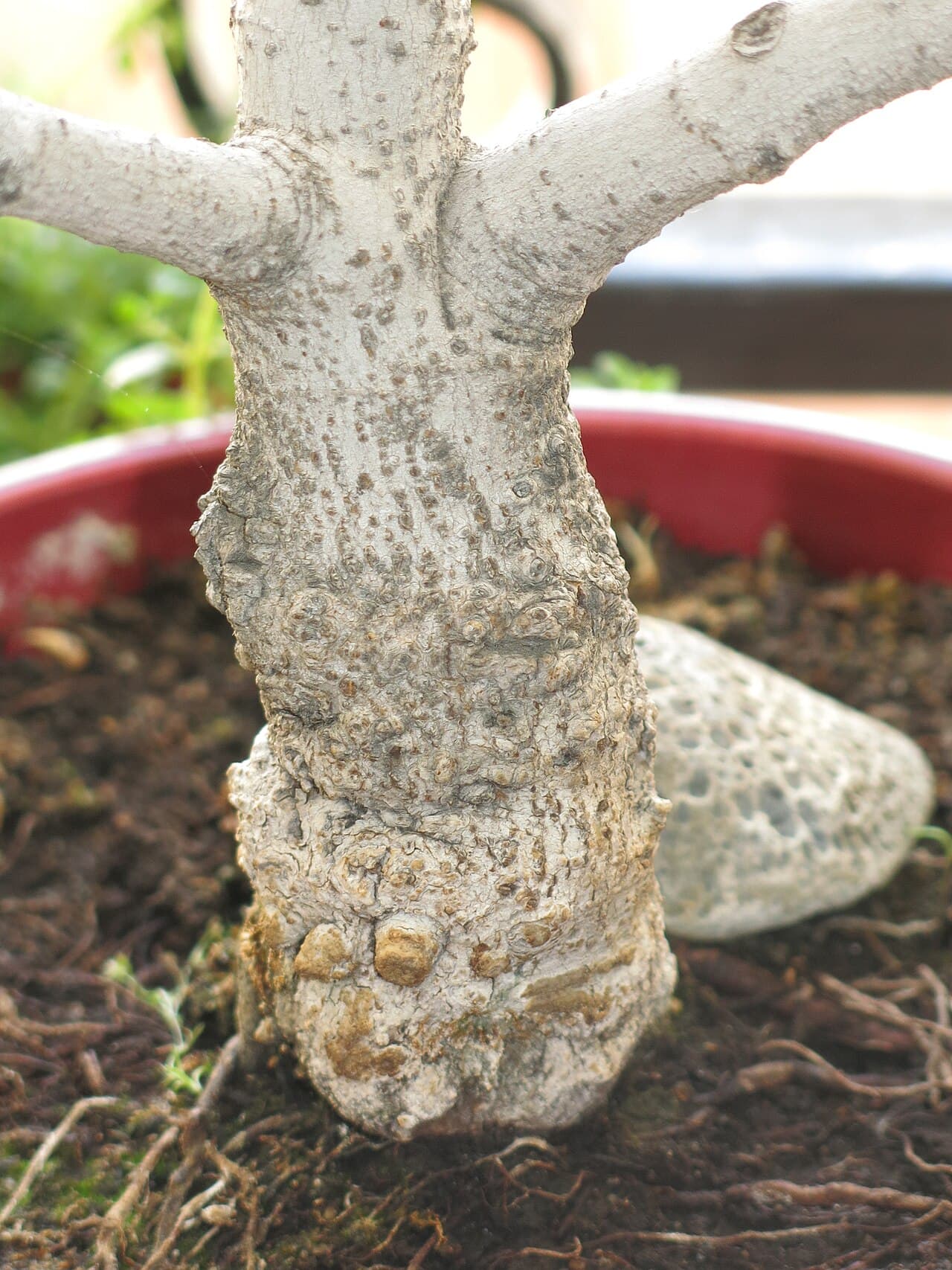
Watering considerations differ between in-ground planting and container cultivation.
In-ground figs develop extensive root systems that penetrate deep into the soil, so once the plant is established, rainfall alone is typically sufficient. Watering becomes necessary only in limited circumstances: immediately after planting when roots remain shallow, or during extended dry periods of two weeks or more in summer when the soil surface turns white and completely dries out. Container-grown figs, by contrast, have limited soil volume and may dry at the surface within a single day during peak summer, making them prone to water stress if managed with the same approach as in-ground plants. Establishing the principle that in-ground figs generally require no supplemental watering while container figs demand frequent soil monitoring will aid in making appropriate decisions.
Watering Frequency by Season
- Spring (active growth period): Water potted figs thoroughly until water drains from the bottom when the soil surface dries out. In-ground plantings often require no supplemental watering unless drought conditions persist.
- Summer (growth and fruiting period): Water containerized figs once or twice daily as a guideline. In locations with strong afternoon sun, the soil dries faster. For figs planted in the ground, water young trees in their first or second year after planting, or water established trees during extended sunny periods if leaves show signs of wilting.
- Autumn (fruit enlargement to harvest): Extreme drought can inhibit fruit development, while overwatering may hinder sugar accumulation. Reduce watering frequency gradually as the container dries, adjusting based on soil moisture conditions.
- Winter (dormant period): During dormancy, transpiration is minimal, so even potted figs require watering only several days after the soil dries completely. In-ground plantings generally do not need watering.
Identifying Signs of Underwatering and Overwatering
When water deficit progresses, leaves wilt and droop downward, and severe cases develop dried, brown margins. Fruit growth also ceases, remaining small and prone to hardening. Conversely, prolonged waterlogging causes water to continually drip from drainage holes, algae or moss to develop on the soil surface, and lower leaves to yellow and drop. This indicates roots are waterlogged, unable to respire, and damaged—a condition that progresses to root rot if left unchecked. When waterlogging is suspected, widen the interval between waterings and check drainage stones and drainage holes for blockage.
Three Tips for Success with Container Growing
- Water based on soil condition rather than time or schedule. Insert a finger 2–3 cm into the soil; water when it feels dry.
- Do not allow water to collect in the saucer beneath the pot. Prolonged waterlogging of the roots causes excessive moisture conditions.
- In midsummer, review the placement location. Positions exposed to direct western sun dry out quickly and may also damage roots through excessive heating of the pot itself.
Watering should be based on observing the plant's condition and soil moisture rather than following a set schedule. Container-grown figs are particularly sensitive to variations in placement, so develop the habit of checking soil conditions daily during the initial growing period. When uncertain about watering needs, consult on the discussion board with photographs of any symptoms. Ease of cultivation in containers varies by variety, so refer to the variety guide as well.
Not going the way you hoped?
Ask other growers on the board. A photo gets you a faster answer.
This article was drafted with AI assistance and reviewed by the site operator. Variety details are for reference—please confirm identification through discussion on the board.
Reply0
Login required