
Fig Pest Management | Keeping Insects Away from Ripe Fruit
Updated: 2026-08-03
When figs begin to ripen, not only birds but also fruit flies (Drosophila) and wasps may gather in large numbers. This occurs because figs have high sugar content and soft skin; as they mature, they emit scents increasingly attractive to insects. Left unmanaged, insects will enter the fruit before harvest, making it unsuitable for the table. This article organizes practical home-garden measures for fig protection, from understanding why insects are attracted, to daily management, traps, insect netting, and variety selection.
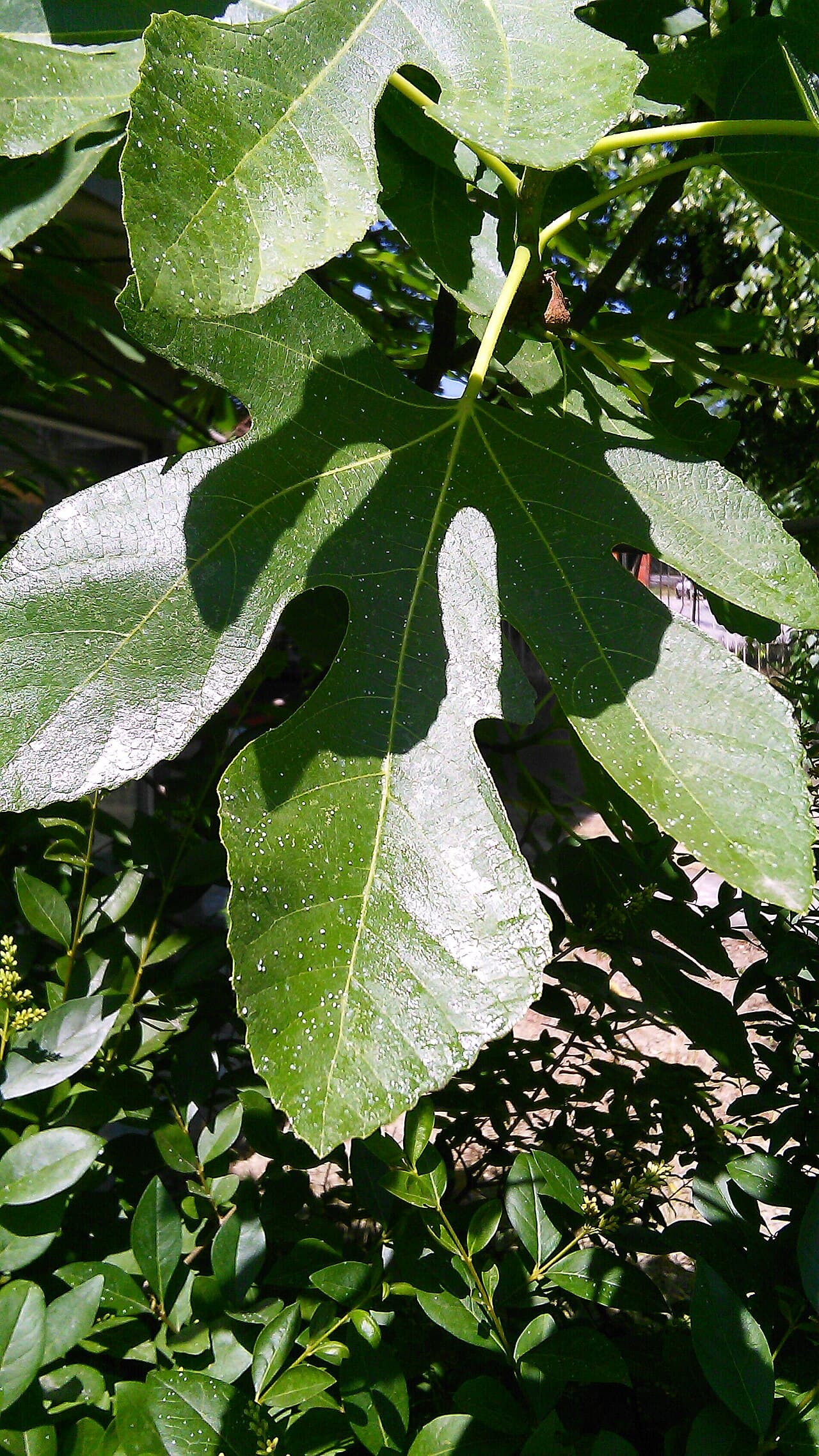
Why Insects Are Attracted to Figs
As fig fruit ripens fully, sugar content increases and the skin becomes soft and susceptible to damage. Particularly in varieties where the ostiole remains open, fermentation odors escape readily, attracting fruit flies and wasps strongly. Fully ripe fruit that has fallen to the ground, as well as split fruit with exposed flesh, become strong attractants; therefore management at the base of the plant, not only in the canopy, forms part of pest control strategy.
Daily Care and Management
- Harvest ripe fruit promptly—pick figs the same day they color or the following day, rather than allowing them to accumulate on the tree.
- Remove damaged fruit, split fruit, and fruit that has fallen to the ground as they appear, and do not leave them at the base of the plant.
- Do not leave uneaten fruit around harvest baskets or work surfaces.
- Clear weeds and fallen leaves from the base of the plant, maintaining conditions that prevent fermentation odors from accumulating.
Reducing numbers with traps
Fruit flies can be substantially reduced using simple traps made with commercially available noodle broth, vinegar, or sugar water. Fill a plastic bottle with the attractant liquid, drill several small holes in the upper portion, and suspend it near the tree. This approach allows continuous capture with minimal disruption to harvest operations. For wasps, place traps containing commercial attractant in a remote area of the garden, positioning them away from the harvest space for safety. However, wasps are highly aggressive; if a nest is located nearby, avoid attempting removal without professional expertise and consult local authorities or a pest control specialist instead.
Exclude insects with physical barriers using insect netting or fruit bags.
- Fine-mesh insect netting placed over the entire tree or fruiting branches is effective against both fruit flies and wasps.
- Placing a paper or nonwoven fruit bag over each fruit provides reliable protection from ripening through harvest.
- Install netting or bags while ensuring adequate air circulation to prevent disease caused by moisture buildup.
- Suitable for temporary use during the fruiting season only; remove promptly after harvest is complete.
Susceptibility varies by variety selection.
Varieties with a tightly closed ostiole tend to be less susceptible to insect entry and show fewer problems with fruit flies and wasps compared to open types. Celeste, known for its tight eye closure, and small-fruited varieties such as Ronde de Bordeaux and Violette de Bordeaux with small ostioles are well-suited to home cultivation in this respect. Conversely, when growing large-fruited varieties like Masui Dauphine with a somewhat open eye, or Brown Turkey with vigorous growth and heavy fruit set, management can be improved by increasing harvest inspection frequency. When concerned about the ostiole characteristics of a particular variety on hand, compare varieties in the variety guide or seek advice on the forum.
Summary
Management of fruit flies and wasps attracted to figs relies on a combination of frequent harvesting and cleaning around the base of the plant to reduce attractants, using traps or netting to limit populations and prevent entry when necessary, and selecting varieties with tight skin. Substantial damage prevention does not require specialized pesticides; establishing a routine of daily inspection and cleanup is sufficient to keep problems in check. During peak harvest season, maintain particularly vigilant monitoring.
Not going the way you hoped?
Ask other growers on the board. A photo gets you a faster answer.
This article was drafted with AI assistance and reviewed by the site operator. Variety details are for reference—please confirm identification through discussion on the board.
Reply0
Login required