
Fig Root Damage from Japanese Beetle Larvae | Causes and Prevention in Container Growing
Updated: 2026-08-10
When a potted fig wilts suddenly or loses leaves that turn yellow, despite no changes to watering frequency or light exposure, root damage—rather than above-ground problems—may be the cause. One common culprit is larval root feeding by Japanese beetles (Popillia japonica). Potted figs are particularly vulnerable because the limited soil volume offers less protection than in-ground plantings; by the time damage is noticed, much of the root system may already be consumed. This article outlines how to identify symptoms, recognize conditions that favor infestation, and describes prevention and management approaches.
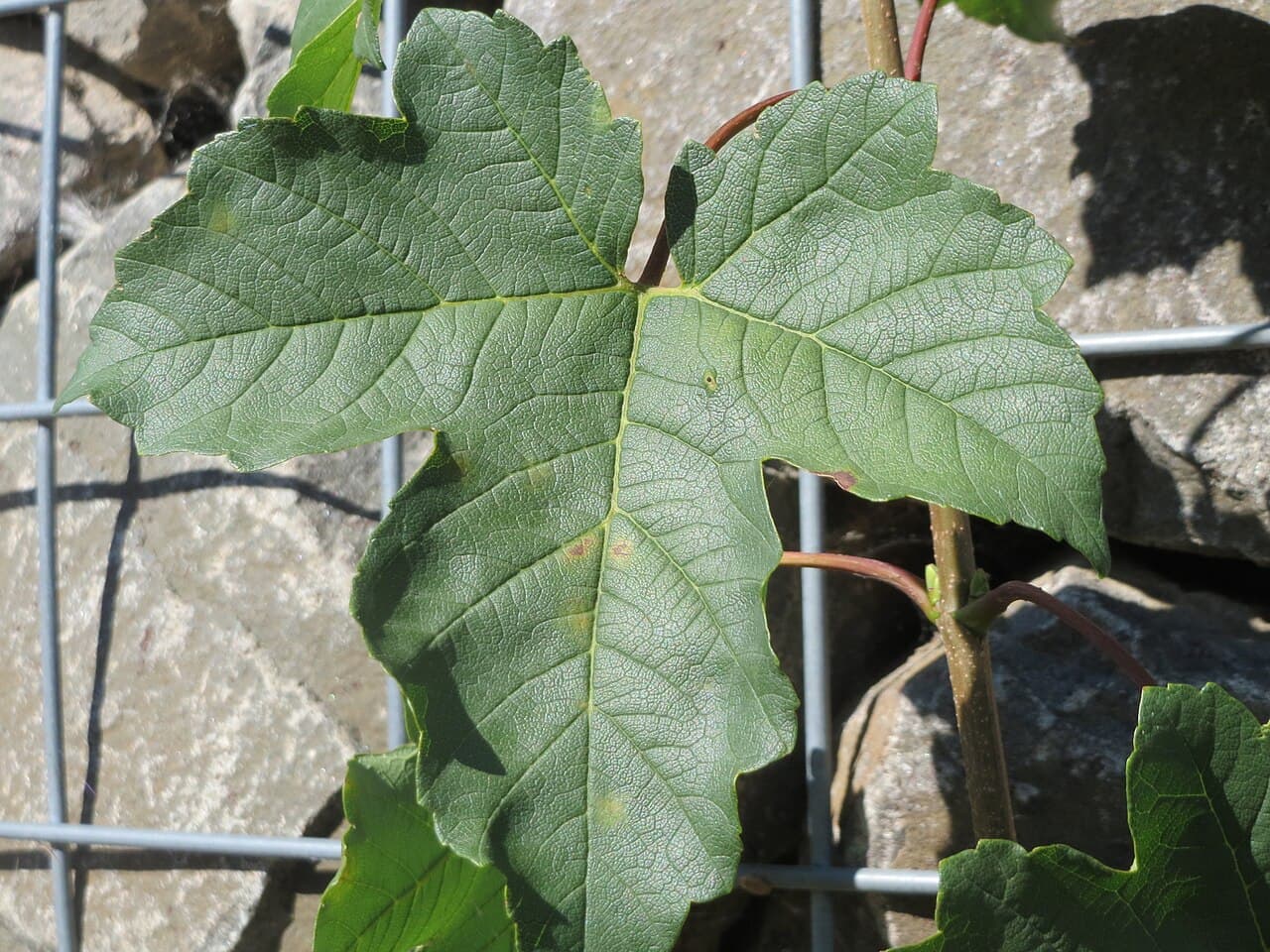
Damage Symptoms from Japanese Beetle Larvae Feeding
- Leaves wilt or yellow and drop despite adequate water supply.
- New growth stops during the growing season, or tree vigor suddenly declines
- The pot moves loosely when gently shaken, or lifts easily with little resistance from the roots.
- When repotting or examining the pot drainage hole, pale milky-white larvae curled into a C-shape emerge from the soil.
Similar symptoms may occur from insufficient watering, root-bound conditions, or excess fertilizer, so first check the soil condition. If the soil surface is dry but the pot feels light, or if wilting does not improve even after watering, suspect root damage and repot the plant to inspect the roots directly for certainty.
Why Fig Problems Occur More Readily in Containers
Japanese beetles are active from early summer through summer, preferring to lay eggs in loose, organic-rich growing media. Figs are fruit trees that thrive in organic matter, and many home growers use soil mixes with high ratios of leaf mold and compost, making conditions favorable for beetle oviposition. Adult beetles also feed on fig leaves; if leaf margins are jaggedly chewed at night, it is advisable to suspect that eggs may have been laid in nearby pots. Container-grown figs, having smaller soil volume than in-ground plantings, are particularly susceptible to significant root damage even from a small number of larvae, a factor that should not be overlooked.
Prevention Measures
- During the early summer to summer oviposition period, cover the soil surface with insect-proof netting or nonwoven fabric to physically prevent adult insects from flying in and laying eggs.
- Avoid excessive use of immature compost or raw organic matter. Apply fully decomposed leaf mold and compost in appropriate quantities.
- Cover the soil surface thinly with inorganic materials such as Kanuma soil or akadama soil to reduce its appeal as an egg-laying site.
- If adult beetles are found chewing leaves at night, remove them promptly and reduce their numbers before they lay eggs.
Managing Pest and Disease Infestations
When wilting or reduced tree vigor suggests larval feeding damage, remove the plant from the pot and loosen the soil to locate and remove larvae individually. Check the condition of the roots and trim away damaged or rotted portions with clean scissors before repotting in fresh soil. If larvae are numerous or cannot be completely located, incorporating a soil-mix insecticide registered for Japanese beetle larvae into the planting medium is an option. When using such products, always verify the label instructions for application rate and confirm that fig is listed as an approved crop. After repotting, place the plant in a location protected from direct sunlight and strong wind for several days to recover, monitoring carefully to prevent soil drying while waiting for regrowth.
Considerations for In-Ground Planting
Even in ground plantings, mulching around the base with leaf mold or straw creates conditions favorable for Japanese beetle egg-laying, similar to container-grown figs. Signs such as birds frequently pecking at the soil around the plant or shallow soil disturbance may indicate birds foraging for and consuming larvae. While ground-planted figs have a wider root zone and are less likely to suffer fatal damage from moderate pest feeding, leaving the base in the same condition over multiple years allows damage to accumulate. Periodically turning over the soil around the base and inspecting it regularly provides reassurance and helps prevent this accumulation.
Summary
When tree vigor declines despite adequate watering and sunlight, consider the possibility of root damage from Japanese beetle larvae. Preventive measures during the egg-laying period and regular inspection of the container will keep damage to a minimum. When uncertain about the cause, consulting on the bulletin board with photographs of symptoms, or checking the disease and pest resistance tendencies of the cultivar being grown in the variety guide is also recommended.
Not going the way you hoped?
Ask other growers on the board. A photo gets you a faster answer.
This article was drafted with AI assistance and reviewed by the site operator. Variety details are for reference—please confirm identification through discussion on the board.
Reply0
Login required