
How to Make Fig Liqueur|Steeping Method and Drinking Readiness Guide
Updated: 2026-09-03
During the harvest season, fig trees may produce more fruit than can be consumed fresh, and some fruit may become overripe and unsuitable for eating raw. One way to avoid waste is to prepare fig liqueur. Using the same method as umeshu (plum liqueur), no special technique is required beyond having the necessary equipment. This article covers the ingredients, preparation method, and storage guidelines for fig liqueur.
Prerequisites for Making Homemade Fruit Wine
Under Japanese liquor tax law, home production of alcoholic beverages is generally prohibited. However, an exception is made for steeping fruit in commercially available spirits with an alcohol content of 20 degrees or higher, such as white liquor. The key points are to use spirits with an alcohol content of 20 degrees or above, and to keep the product for personal consumption without selling or distributing it. Note that methods involving fermentation with added sugar fall outside this exception.
Materials and Proportions
- Figs (fully ripe to slightly overripe) approximately 500 g
- White liquor or similar spirits of approximately 35 degrees alcohol, about 900 ml
- Rock sugar 100–150 g (adjust according to taste preference)
- A clean, sealable wide-mouth jar (approximately 1–1.5 L capacity)
The skin can be used as-is, so it is sufficient to rinse the fruit, remove the stem, and trim away any damaged spots. For larger fruit, cutting into halves or quarters increases surface area, allowing components to leach more readily and reducing fermentation time. Sterilize jars and utensils with boiling water or wipe them with food-grade alcohol to prevent mold growth.
Pickling Procedure
- Layer the bottom of the jar with a small amount of rock sugar, then alternate layers of cut figs and rock sugar, packing them in.
- Pour the alcohol nearly to the rim of the jar, ensuring the fruit remains submerged below the liquid surface.
- Place with lid on in a cool, dark location away from direct sunlight.
- For the first one to two weeks, shake the jar lightly once daily to dissolve the sugar.
- After pickling for approximately three months, the fruit may be removed or left in the brine.
Ripeness and Storage
Color and aroma begin to develop one to two months after starting the infusion, with the liquor reaching optimal drinking condition around three months. The longer it sits, the smoother the flavor becomes; however, removing the fruit at around six months to one year prevents off-flavors from developing. Once completed, the infused liquor keeps its flavor for about one year when stored in a cool, dark place. After removing the fruit, it can be repurposed as jam or compote; however, since it contains alcohol, take care to keep it away from children and pregnant individuals.
Selecting Fruit
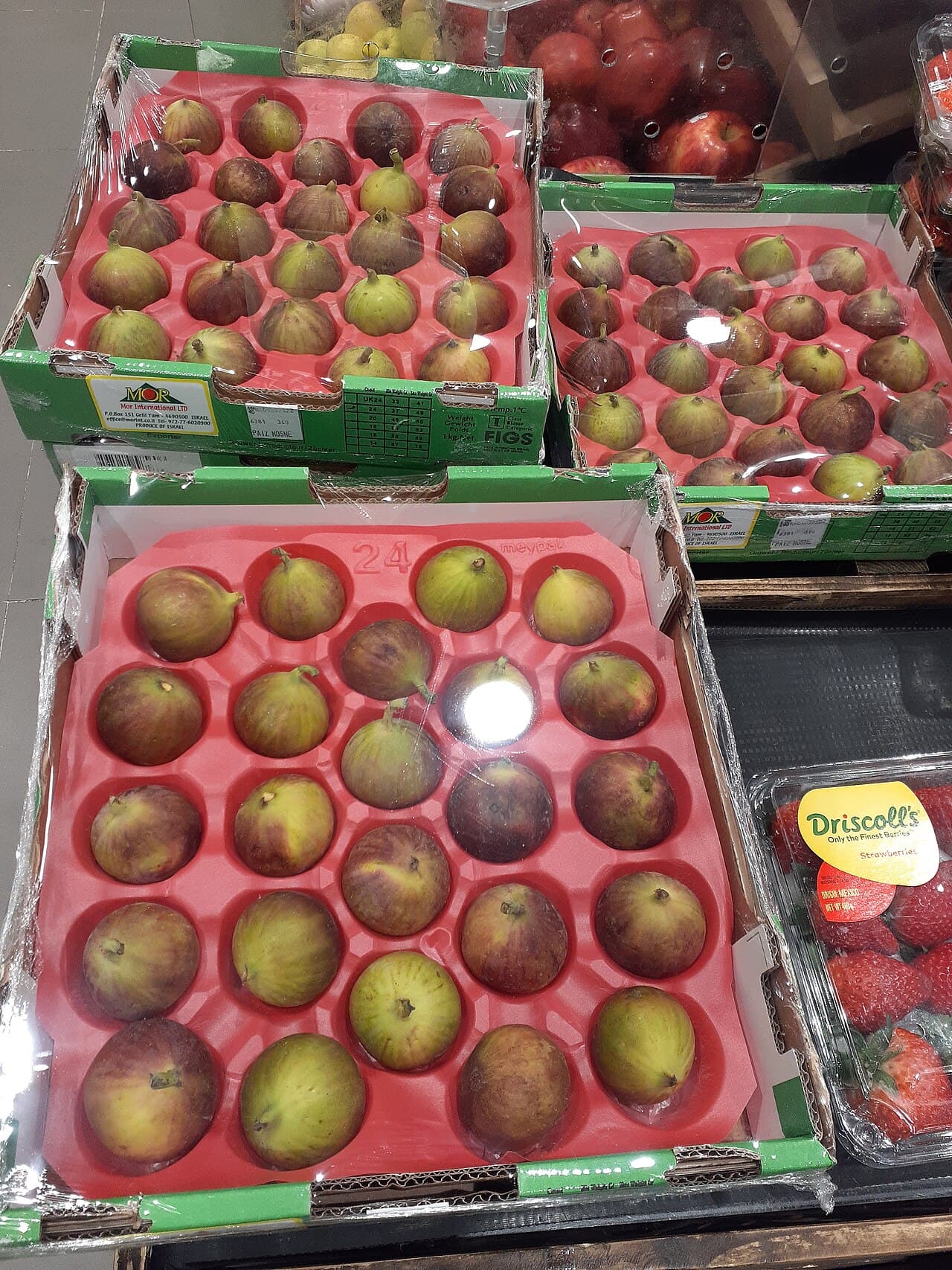
Overripe fruit or fruit harvested at an imprecise time may be unsuitable for fresh eating, but the aroma and sweetness transfer well enough to make such fruit suitable for fruit liqueur. Conversely, unripe green fruit has weak aroma and produces less acidity, so fully colored, fully ripe fruit is recommended. Flavor differences by variety will also appear in the finished liqueur, so comparing infusions made from multiple varieties while consulting the variety guide is one enjoyable approach if resources permit. If the result turns out well, share the finished product on the bulletin board.
Fig liqueur can be started without special equipment and serves as a practical use for surplus fruit during harvest. While observing the basics of using spirits with an alcohol content of 20 degrees or higher and not selling the product, experiment to find preferred steeping time and sweetness level.
Related varieties
Not going the way you hoped?
Ask other growers on the board. A photo gets you a faster answer.
This article was drafted with AI assistance and reviewed by the site operator. Variety details are for reference—please confirm identification through discussion on the board.
Reply0
Login required