
Fig Scale Insects and Aphids | Identification and Control Methods
Updated: 2026-08-05
Examining fig branches and new growth may reveal whitish, shell-like crusts or clusters of small green to black specks. These indicate infestation by scale insects or aphids, which can reduce tree vigor and promote sooty mold if left unchecked. Fortunately, both pests cause manageable damage when detected and treated early. This article covers identification, control procedures, and management practices to prevent recurrence.
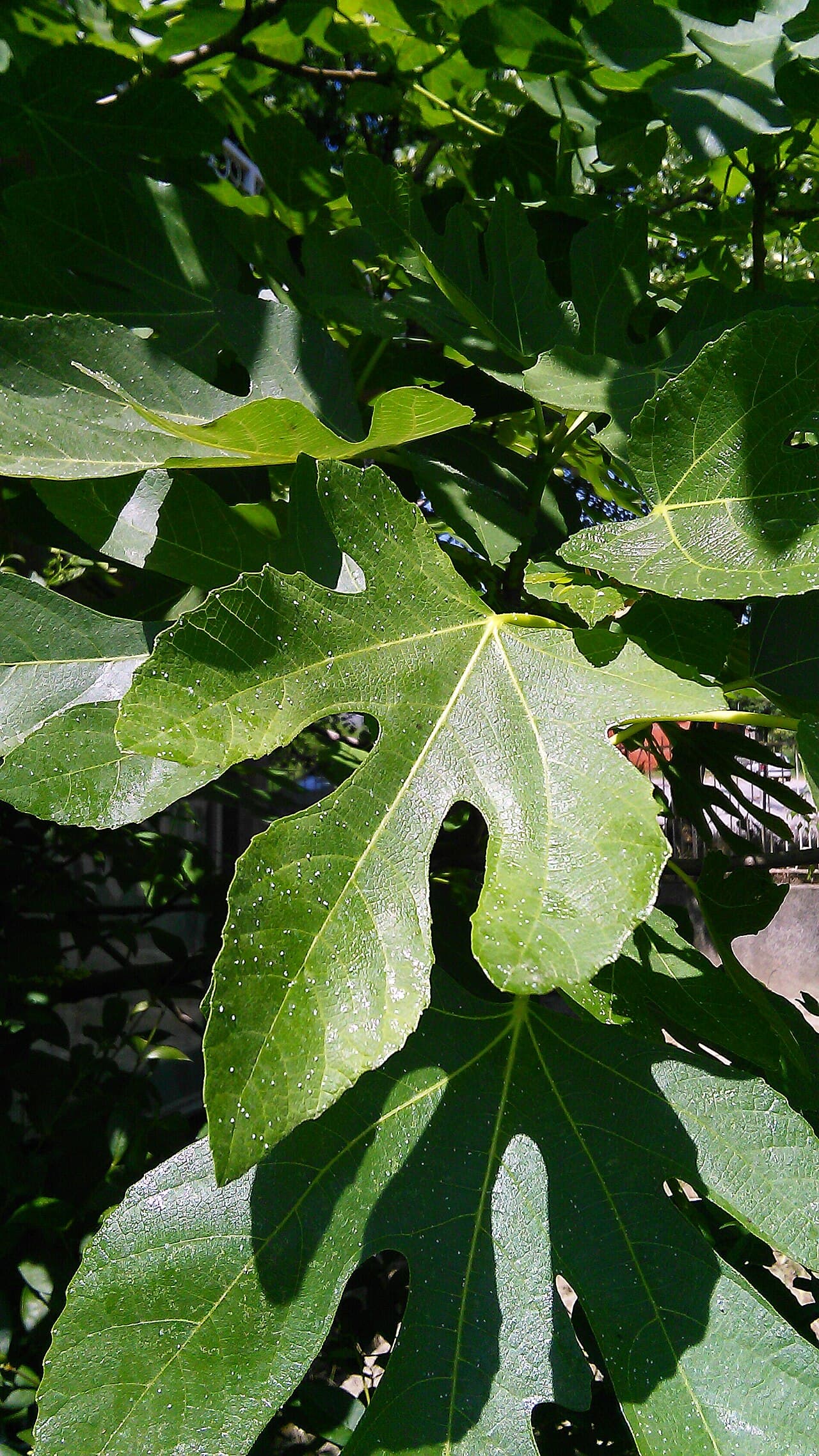
How to Distinguish Between Scale Insects and Aphids
Scale insects
A scale insect with a white to brown, scab-like or cottony appearance that attaches to branches and stems. The adult insect becomes immobilized under a waxy shell or cottony covering and can be easily scraped off with a fingernail. On figs, this pest tends to attach particularly to older branches, around pruning wounds, and within dense branch growth.
Aphids
Small insects measuring several millimeters in length, ranging from green to black in color, that cluster on the undersides of new shoots and young leaves. Unlike scale insects, these pests are mobile and reproduce rapidly. They tend to appear when new growth emerges in early spring, causing affected leaves to curl or become sticky.
Signs of Damage and Sooty Mold
- New shoot and leaf curling, poor growth
- Sticky coating on branches and leaves (a secretion known as honeydew)
- Black sooty mold (sooty blotch) develops on sticky areas.
- When infestations occur frequently, tree vigor declines, affecting flower bud development and fruit quality in the following year.
Sooty mold is a fungus that does not directly kill figs, but because it covers the leaf surface and impedes photosynthesis, it must not be left untreated. When sooty mold is detected, control of the scale insects and aphids that cause it should be prioritized.
Non-chemical pest management procedures
For a small number of trees in home cultivation, manual removal alone during the early stages of infestation is sufficient for adequate control.
- Scale insects can be rubbed off using a toothbrush, old toothbrush, or the tip of a wooden stick. If the infestation is light, this method alone is usually sufficient to resolve the problem.
- Aphids can be removed by spraying the branches and foliage with a forceful stream of water, or by gently rubbing them off with a damp cloth or hand.
- Remove and discard insects that fall and shells that peel off; do not leave them at the base of the plant.
- Severely damaged branches can be effectively managed by pruning them back decisively and removing them.
When damage is widespread, applying a household garden insecticide with a spreading agent or using an insecticide registered for scale insects and aphids are also options. When using any product, always follow the label instructions regarding registered uses, dilution rates, and days before harvest. Avoid spraying during flowering or immediately before harvest.
Enlisting Natural Enemies as Allies
Aphids often attract natural predators such as ladybugs, their larvae, and hover fly larvae. When these natural enemies are present in the garden, heavy pesticide use can reduce them along with the aphids, sometimes making the problem worse. If damage is light, monitoring without intervention can be an effective approach.
Key Management Points for Preventing Recurrence
Both scale insects and aphids tend to infest plants with dense growth where air circulation and sunlight are poor. Prevention through regular maintenance is the most effective way to reduce the need for pesticide applications.
- Winter pruning removes overcrowded branches and dead wood, ensuring good air circulation throughout the plant.
- In early spring when new growth begins to emerge, develop the habit of regularly checking the undersides of leaves and new shoots.
- Excessive nitrogen fertilizer promotes soft new growth and attracts aphids; apply sparingly.
- Prune and remove branches bearing overwintering scale insect adults in winter to reduce the population going into dormancy.
When uncertain about which pests are present on a tree or when distinguishing among spots and discoloration proves difficult, consulting the forum with photographs of the affected area tends to gather opinions more readily. Cultivar-specific ease of cultivation and vigor tendencies can also be confirmed in the variety guide.
Scale insects and aphids can both be adequately controlled through early detection, physical removal, and maintaining an open, well-ventilated canopy structure. Develop a habit of inspecting branches and foliage carefully during routine pruning and watering, and address infestations while still small before damage spreads.
Not sure what your fig is?
Post a photo of the leaves and fruit and see what other growers think. "Maybe" is a perfectly good answer here.
Post your figNot going the way you hoped?
Ask other growers on the board. A photo gets you a faster answer.