
How to Remove Fig Leaves | Improving Sunlight and Airflow to Develop Fruit
Updated: 2026-10-15
Figs develop large leaves that tend to create dense foliage and shade inside the plant canopy during summer. When leaves overlap, light fails to reach the fruit and air circulation becomes poor, creating conditions favorable for disease and pest problems. Leaf removal—selectively taking off unnecessary leaves—is an effective practice to address this. Since excessive removal weakens the plant, apply the technique with understanding of its purpose and proper restraint.
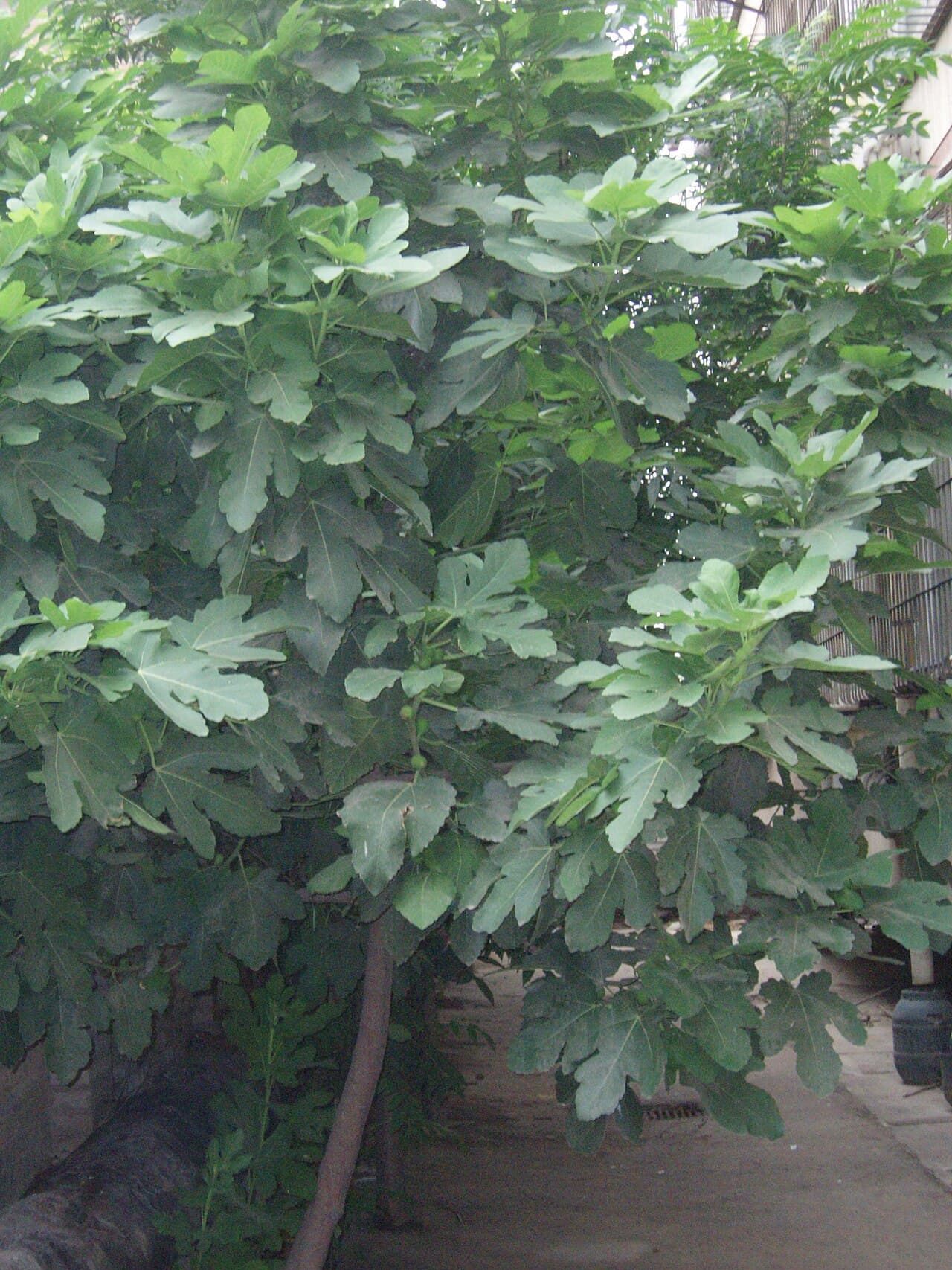
Purpose of Leaf Removal
- Expose to abundant sunlight to ensure consistent color development and stable flavor.
- Improve air circulation inside the canopy to reduce moisture buildup and disease.
- Make it difficult for pests such as scale insects to establish hiding places.
- To facilitate harvesting and observation.
Optimal Timing for Leaf Removal
The main pruning work occurs from around the end of the rainy season, when fruit begins to enlarge, until harvest begins. Rather than removing a large amount at once, proceed gradually in several stages. Removing leaves suddenly in intense midsummer sun can cause fruit and branches to sunscald.
Distinguishing Leaves to Remove from Leaves to Retain
Leaves that may be harvested
- Leaves positioned directly above the fruit, creating shade
- Leaves that overlap inside the branches and receive no light
- Damaged leaves with yellowing, disease spots, or insect damage
- Old leaves at low positions that may touch the ground
Leaves to retain
- Young leaves at branch tips (primary sites of photosynthesis that support new shoot elongation)
- A leaf situated near the fruit that supplies nutrients to that fruit.
- Leaf on the southwest side protecting the fruit from sunscald
A rough guideline is to remove 1 to 2 leaves around the fruit per branch. Removing more than 30% of the canopy at once increases the risk of problems.
Procedure
- Step back from the plant and observe the overall form, checking for any darkened areas.
- Remove damaged leaves and lower leaves first.
- Remove leaves that cast direct shade by cutting them at the base of the petiole.
- Wait several days and observe. Repeat if necessary.
Cut the petiole with clean scissors rather than tearing it off by hand. White latex will exude from the cut, so those with sensitive skin should wear gloves and take care to avoid contact with clothing.
Key Points to Avoid Overdoing It
- Leaves are the organs that produce nutrients, so removing too many can affect sugar content and the development of branches in the following year.
- Container-grown figs should be watered more sparingly than in-ground figs, as their root space is limited.
- In locations with intense afternoon sun, retain somewhat more foliage near the fruit.
The Relationship Between Leaf Removal and Other Practices
Leaf removal is most effective when combined with bud removal and pinching. Branch quantity and density are largely determined by pruning, so review these practices together. Leaf size and growth habit vary by cultivar. Consult the variety guide to research characteristics, or post photos of your plant's foliage on the forum for advice.
Summary
Leaf removal is a minor adjustment technique to expose fruit to light and improve air circulation. Avoid removing excessive leaves at once; instead, gradually thin out only the leaves covering the fruit and any damaged foliage to minimize stress on the plant while enhancing fruit quality. Assess the plant's condition and incorporate this practice gradually as circumstances allow.
Not sure what your fig is?
Post a photo of the leaves and fruit and see what other growers think. "Maybe" is a perfectly good answer here.
Post your figNot going the way you hoped?
Ask other growers on the board. A photo gets you a faster answer.