
Causes and Solutions for Yellow Leaves and Leaf Drop in Figs
Updated: 2026-07-29
Yellowing leaves or premature leaf drop on fig trees during otherwise warm periods can be concerning. The causes are varied, ranging from improper watering, nutrient deficiency, disease, and pests to natural seasonal defoliation. This article distinguishes between symptoms of leaf yellowing and drop, and organizes management strategies according to each cause.
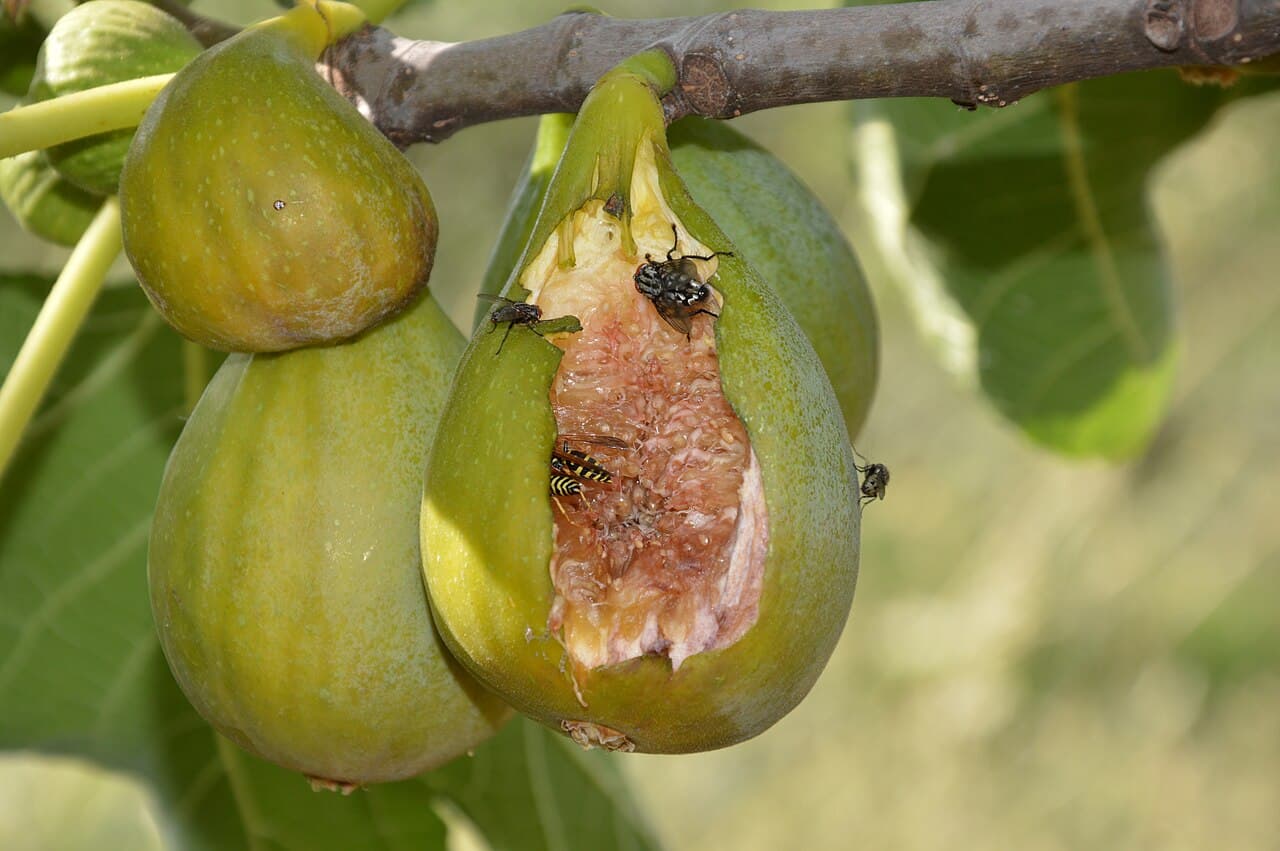
Three points to confirm first
- Are the yellowing leaves lower, older leaves, or new growth?
- Whether the entire leaf is yellow, or only the leaf tissue is yellowing while the veins remain green
- Check for signs other than yellowing, such as spots, mold, or visible insects.
1. Yellowing from Insufficient Water
When soil remains completely dry for extended periods, leaves may turn yellow starting from the margins and subsequently drop. Potted figs are particularly susceptible to this condition, as the limited soil volume dries quickly, making them prone to yellowing from water stress during summer heat. Water thoroughly when the soil surface dries out, applying water until it drains from the bottom of the pot.
2. Yellowing from Excessive Moisture and Root Rot
Conversely, overwatering or poorly draining soil damages the roots, causing leaves to yellow and drop starting from the lower foliage. Caution is warranted if water collects persistently in the saucer or the soil remains constantly moist. Amend with well-draining soil and return to a watering rhythm of giving water only after the soil surface dries out.
3. Nutrient Depletion and Micronutrient Deficiency
Nitrogen deficiency causes the entire leaf to become pale yellow-green, while deficiency in micronutrients such as magnesium can result in leaf veining remaining green while only the leaf tissue yellows. If nutrient deficiency is suspected during the growing season, apply a slow-release compound fertilizer or liquid fertilizer and monitor the plant's response. However, excessive nitrogen promotes leafy growth at the expense of fruit set, so restraint in application rate is advisable.
4. Yellow Spotting and Leaf Drop from Disease
When yellow to brown spots appear on the leaf surface and powdery spore-like deposits are visible on the undersides, fungal diseases such as rust are suspected. As the condition progresses, leaves yellow and drop prematurely, weakening the tree's vigor. Remove and discard affected leaves as soon as they are noticed. Improving air circulation around the base of the plant and between branches helps prevent the disease.
5. Yellowing caused by spider mites and other pests
When the leaf surface becomes pale yellowish with a fine scraped appearance and small insects or thread-like webbing appears on the leaf undersides, spider mite damage is suspected. Since spider mites develop readily in dry conditions, prevent infestations by misting the undersides of leaves and other preventive measures. Address the problem promptly upon noticing an infestation.
6. Natural leaf drop in autumn requires no concern
Figs are deciduous trees that shed leaves in winter. As temperatures drop, leaves naturally turn yellow beginning with the lower foliage and fall away. This is a normal physiological response in preparation for dormancy and requires no special intervention.
Yellowing and leaf drop can be narrowed down considerably by observing when, where, and how symptoms appear. Review watering practices and soil composition, apply fertilizer sparingly, and practice early detection and prompt treatment of pests and diseases—most cases improve with these measures. When uncertain about the cause, photograph affected leaves and consult on the discussion board, or compare symptoms with other plants in the variety guide.
Not going the way you hoped?
Ask other growers on the board. A photo gets you a faster answer.
This article was drafted with AI assistance and reviewed by the site operator. Variety details are for reference—please confirm identification through discussion on the board.
Reply0
Login required