
Fig Propagation Methods Compared: Choosing Between Cuttings, Air Layering, Grafting, and Division
Updated: 2026-10-20
Figs are easy to propagate, and new plants can be grown from pieces of stem or root. However, each method requires different amounts of effort and suits different situations, and choosing a method that does not match your goal can waste time. This article compares four common methods and outlines which one to choose for different circumstances.
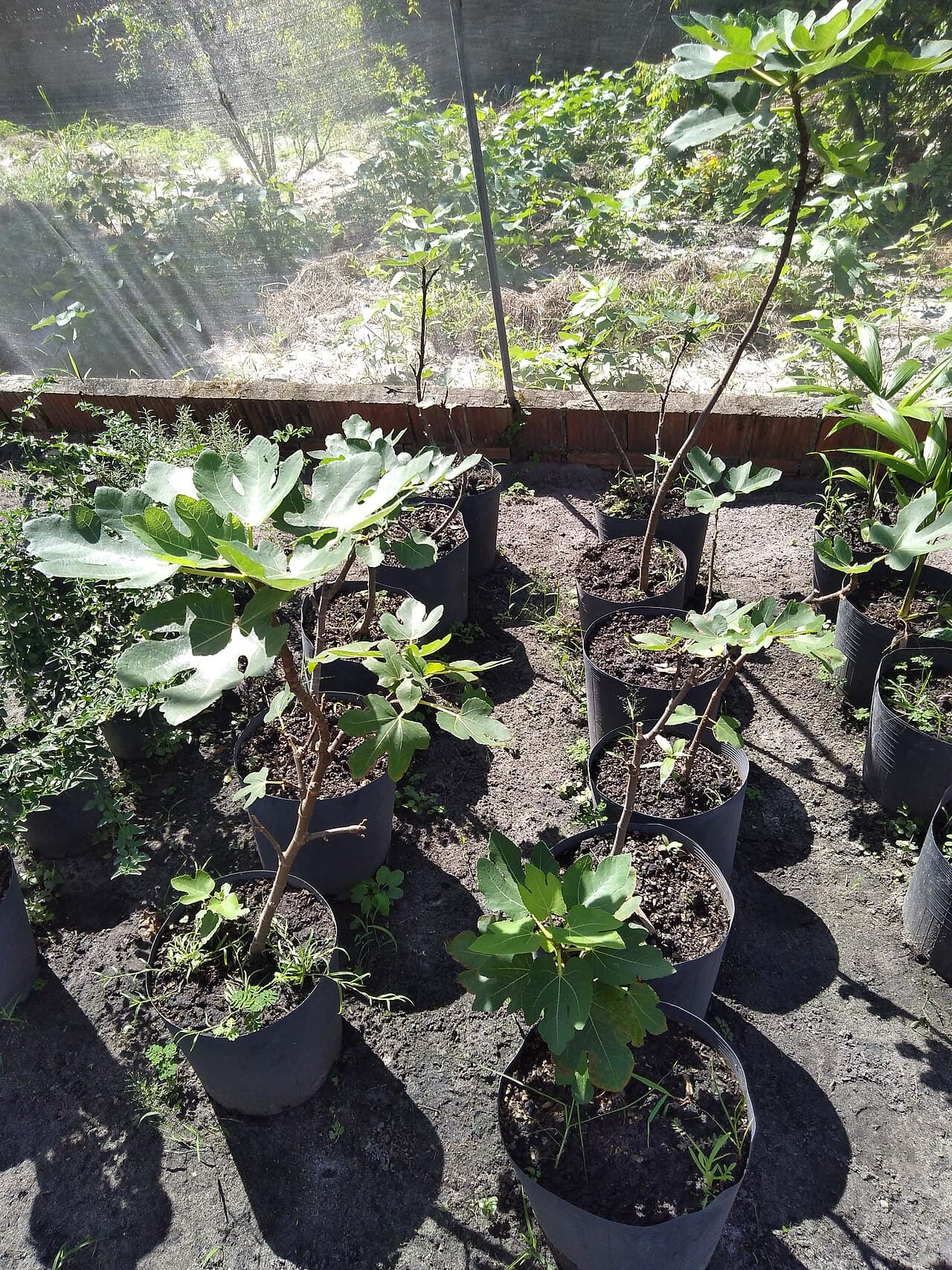
Key premises common to all propagation methods
Cuttings, air layering, grafting, and division are all vegetative propagation methods that pass on the same characteristics as the parent tree. Seedlings grown from seed vary in their traits, so these methods are generally not suitable when you want to keep a specific variety true to type. If you are handling paid, named-variety plants or scion wood, it is advisable to check in advance whether plant variety registration or breeder's rights apply.
Characteristics of the Four Methods
Propagation by Cuttings: The Simplest Method for Producing Many Plants
This method involves taking cuttings during the dormant season and inserting them into growing medium around February to March so that they root. It requires little equipment and can produce many plants at once, making it well suited as a first step. However, rooting rates vary depending on the variety and on care, and keeping the cuttings from drying out is essential.
Air Layering: For Reliability
Air layering keeps the branch attached to the parent tree while it forms roots, and only then is it cut free. This reduces the risk of failure from water loss and allows larger young plants to be produced. It is carried out during the growing season, and rooting can take several weeks to several months. Only a limited number of plants can be made at one time.
Grafting: When You Want to Make Use of Rootstock Characteristics
This method involves grafting a scion onto a rootstock, which is another tree. It is useful when you want to take advantage of the root characteristics or when you want to convert an existing tree to a different variety. It requires skill in aligning the cut surfaces, and it is more difficult than other propagation methods.
Dividing Fig Suckers: Simply Dig Them Up
Suckers that emerge from the base of the trunk can be propagated by digging them up with their roots attached and transplanting them. Because they already have roots, they tend to establish readily. On the other hand, the parent tree is weakened by the loss, and the number of usable suckers is limited.
Recommendations by Purpose
- For first-time growers or those who want to produce several plants: cuttings
- Reducing Failures and Obtaining Larger Plants: Air Layering
- Switching to a different variety or using a rootstock: grafting
- Suckers Already Present: Division
Tips for Reducing Failures with Any Method
- Select a parent tree that is healthy and has few pests and diseases.
- Keep the cutting tools used for harvesting or pruning clean, and make the cuts neatly.
- Attach a variety-name label on site to prevent mix-ups.
- Avoid drying out and strong direct sunlight until the cuttings have rooted and become established.
- Record the conditions under which things did not succeed, and apply them the next time.
Nursery plants sold under the same name are not always the cultivar they are labeled as, and appearance alone may not be enough to tell. For advice on identifying a propagated plant or on doubts about its variety, you can ask on the forum and include photos. The variety guide also describes the characteristics of each cultivar.
Summary
There is no single correct way to propagate figs; the quickest route is to choose a method based on your goal and the conditions you have available. If you are unsure, start with cuttings, which require few tools and are easy to try. If you have the time and experience, you may also want to try air layering or grafting. For step-by-step instructions for each method, see the individual articles.
Not sure what your fig is?
Post a photo of the leaves and fruit and see what other growers think. "Maybe" is a perfectly good answer here.
Post your figNot going the way you hoped?
Ask other growers on the board. A photo gets you a faster answer.