
Fig Ant Control | Causes and Prevention of Ants on Ripe Fruit
Updated: 2026-10-03
When fig fruit begins to ripen, ants are often observed marching up the trunk and branches in lines. They gather not only for the sweet juice of ripe fruit, but frequently establish themselves to feed on the honeydew excreted by aphids and scale insects. If left unmanaged, this can result in damage to the harvest and reduced plant vigor. This section summarizes why ants are attracted to figs and practical control measures suitable for home cultivation.
Why Ants Gather on Figs
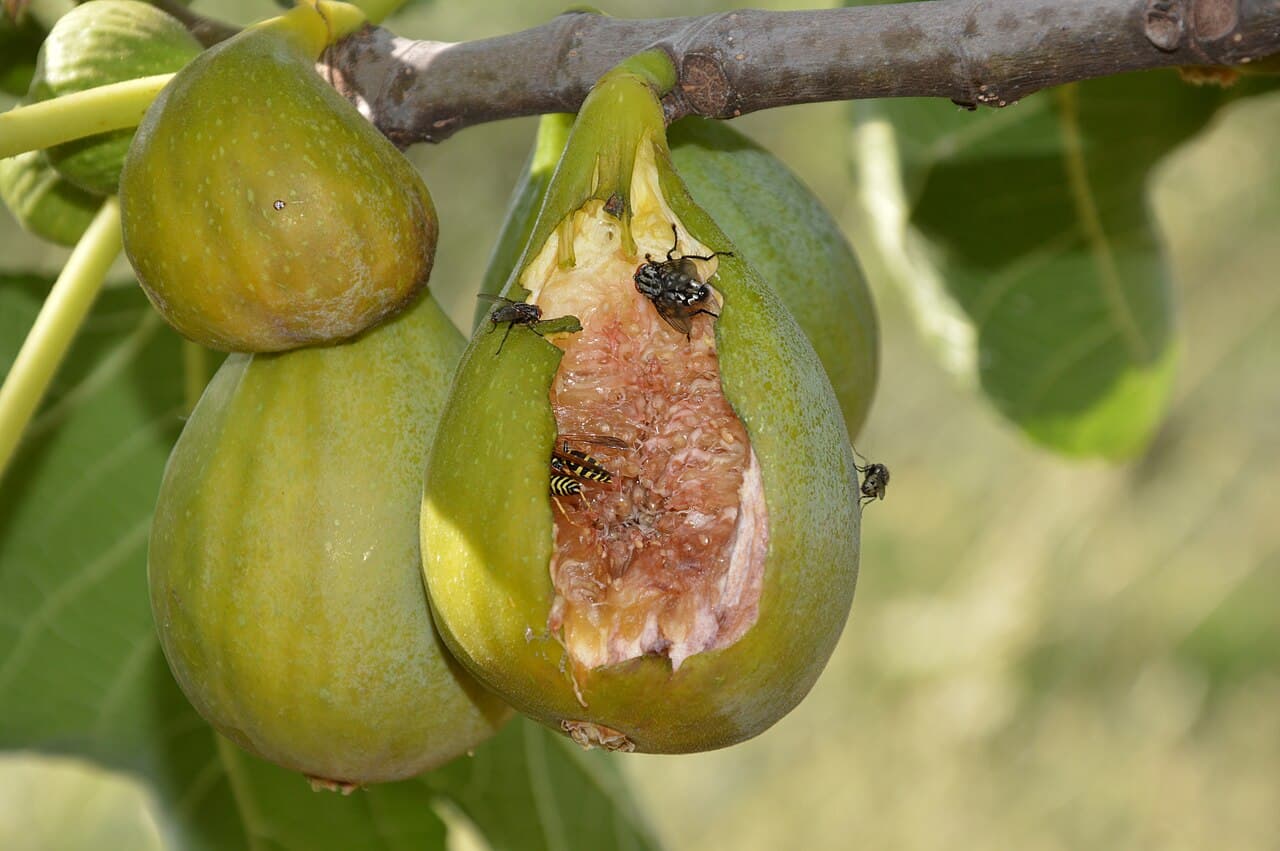
As fig fruit ripens, sugar content increases and the eye at the fruit apex opens, allowing fruit juice to seep out readily. This sweet odor attracts ants, which swarm on ripened fruit and split or damaged fruit that has fallen to the ground. Additionally, aphids and scale insects feed on plant sap and excrete honeydew, a sugary substance; ants may form trails on new shoots and leaf undersides in search of this honeydew. While ants themselves cause little direct damage to the tree, when a mutualistic relationship between ants and aphids becomes established—in which ants protect honeydew-producing pests from natural enemies and allow their populations to increase—this indirectly leads to tree decline and aesthetic degradation.
Problems Caused by Ants
- Enters through splits in ripe fruit or insect damage and consumes the flesh inside.
- Protecting aphids and scale insects from natural enemies and facilitating their proliferation.
- Sooty mold (black fungus) develops on honeydew, causing leaves and branches to become blackened and soiled, which impedes photosynthesis.
Prevention and Management in Daily Care
- Harvest at full ripeness and remove fruit promptly from the tree rather than leaving it on the branches for extended periods.
- Remove and dispose of fallen fruit, split fruit, and damaged fruit promptly to reduce sources of infestation.
- Place ant bait stations at the base of the trunk or along the rim of the pot to eliminate the colony.
- Adjust the placement of potted figs to prevent ants from entering underneath the pot base or legs.
- Wrap the trunk with sticky bands or materials to prevent ants from climbing.
Prevent Aphids and Scale Insects Together
Eliminating ants alone will not solve the problem if aphids or other honeydew-secreting pests remain; a new ant trail will form promptly. Check new shoot tips and the undersides of leaves for clusters of aphids, and inspect branches for scale insect shells. When found, remove them by scrubbing with a soft brush or apply an approved pesticide. Taking these steps will make the area less attractive to ants. If the pest occurrence is unclear, consulting on the bulletin board with photos and details of the situation will help inform a diagnosis.
Precautions When Using Pesticides
When using bait products or insecticides for ants, apply only to the specified areas and during the recommended timing to avoid contact with fruit approaching harvest. Always follow the label instructions for application timing, dilution ratio, and target crops. To reduce impact on pollinating insects such as honeybees, select application methods that avoid direct contact with flowers and open fruit. When the fig is planted near other plants in a garden setting, also take care to prevent spray drift and accidental ingestion by non-target plants or organisms.
Fig ant management focuses on reducing the source of sweet odors rather than targeting the ants themselves. Harvesting ripe fruit without allowing it to accumulate, and controlling aphid and scale insect infestations early, naturally reduces ant activity. Fruit-splitting tendency and the degree of ostiole opening vary by variety; consulting the variety guide to understand these characteristics provides additional preventive benefit. Whether in containers or in-ground plantings, regular observation and prompt action minimize damage.
Not sure what your fig is?
Post a photo of the leaves and fruit and see what other growers think. "Maybe" is a perfectly good answer here.
Post your figNot going the way you hoped?
Ask other growers on the board. A photo gets you a faster answer.