Fig Care During the Rainy Season | Key Points for Managing High Humidity and Low Light
Updated: 2026-09-08
During the rainy season, temperatures rise while daylight hours decrease, causing figs to become leggy and pot soil or ground to remain persistently wet. Neglecting season-specific management during this period can result in elongated branches, root damage, and stunted growth after the rainy season ends. This section outlines rainy season measures for both container-grown and in-ground figs, as well as necessary care following the season's conclusion.
Common Issues with Figs During the Rainy Season
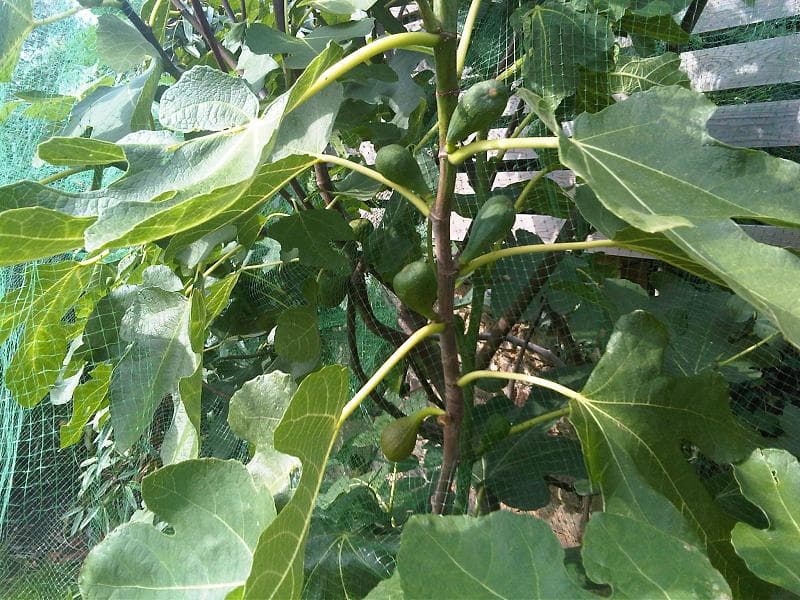
Prolonged cloudy weather with insufficient light causes new shoots to become elongated (etiolation) as the plant reaches for light, and leaves tend to become thin and weak. Additionally, when high temperatures and humidity persist while rain continues, the soil in pots or beds remains constantly wet, causing roots to become oxygen-starved and prone to damage. For plants with developing fruit, this period also sees increased susceptibility to fruit splitting due to fluctuating moisture levels from uneven rainfall.
Rainy Season Care for Potted Figs
- If the fig is in a location exposed to continuous rain, relocate it to an area where direct rainfall is minimal, such as under an eave or beneath a balcony overhang.
- Do not leave water standing in the saucer. Remove accumulated water after watering, as it causes root rot.
- Place slats or bricks beneath the pot to elevate the bottom, ensuring drainage and air circulation.
- Pinch back excessively vigorous new shoots lightly to redirect nutrients toward fruit and well-developed branches.
Rainy Season Management for In-Ground Figs
- In locations with poor drainage at the base of the tree, dig shallow trenches around the area to direct excess rainwater away.
- Remove lower branches and thin out congested growth lightly, allowing air circulation to reach the base of the plant.
- Apply mulch or straw around the base of the plant to prevent soil splash.
- A simple method exists for covering fruiting branches. For comprehensive implementation, refer to rain shelter cultivation.
Addressing Leggy Growth from Insufficient Sunlight
New shoots that have grown excessively due to insufficient light, if left unattended, will lignify with elongated internodes and cause the tree form to become irregular. Light pinching during the rainy season stops growth, and after the rainy season ends, when sunlight returns, thinning out crowded areas improves air circulation and light penetration, leading to better development of the fall crop.
Do Not Miss Signs of Disease
High temperature and high humidity create conditions where diseases and pests such as rust and blight spread readily. Spots on the undersides of leaves and damage to fruit near the base should be identified and removed promptly to prevent infection sources from remaining. When unfamiliar symptoms appear and identification is uncertain, consulting the bulletin board with photographs can be helpful.
Tasks After the Rainy Season Ends
- Return the pot to its original location in direct sunlight.
- Remove excessively long weak branches, and prune away damaged leaves and fruit.
- Water requirements demand adjustment based on weather conditions, as the soil dries out rapidly.
- For plants showing sluggish growth, consider supplemental feeding while monitoring their condition.
During the rainy season, the key for figs is avoiding excessive moisture rather than being overly cautious about drying out. Positioning the pot thoughtfully, ensuring adequate drainage, and maintaining airflow around the base of the plant will support smooth recovery of growth after the rainy season ends. For concerns about differences in crack resistance and disease tolerance among varieties, refer to the variety guide as well.
Not sure what your fig is?
Post a photo of the leaves and fruit and see what other growers think. "Maybe" is a perfectly good answer here.
Post your figNot going the way you hoped?
Ask other growers on the board. A photo gets you a faster answer.