
How to Increase Fig Sugar Content|Tips for Watering, Fertilizing, and Harvesting Sweet Fruit
Updated: 2026-08-16
Have you ever found that a fig you took care to grow was less sweet than expected? Sweetness depends not only on the variety itself, but also changes significantly with daily management factors such as harvest timing, watering, fertilizer, thinning fruit, and sunlight exposure. This article summarizes specific points for bringing out sweetness within the scope of home cultivation.
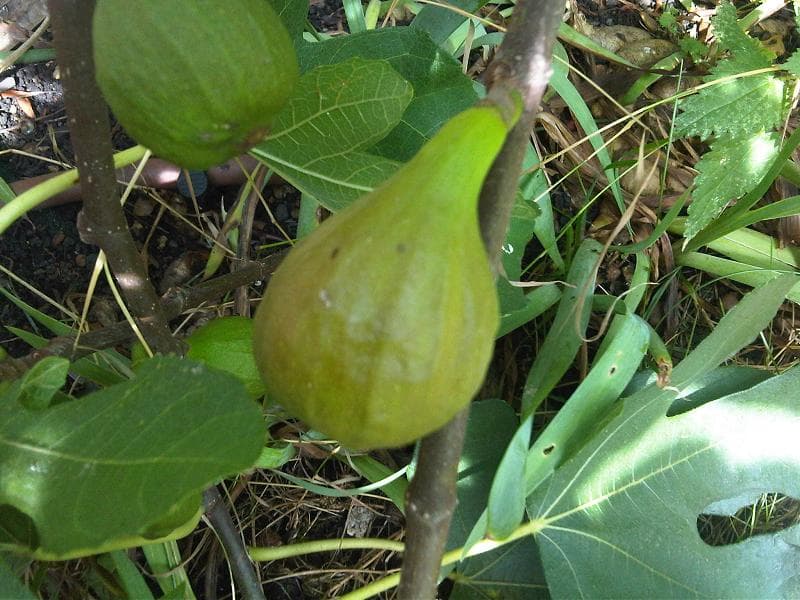
Harvest when fully ripe.
Figs differ from other fruits in that their sugar content does not increase after harvest. Because sugars accumulate while the fruit remains on the tree, harvesting while still green will result in fruit that lacks sweetness. Identifying signs of full ripeness through appearance and feel, then allowing the fruit to mature as long as possible on the tree before harvest, is the most direct path to achieving higher sugar content.
- The skin displays the variety's characteristic color in a deep, rich tone, with firm texture yet slight softness to the touch.
- The neck of the fruit loosens, causing the entire fig to droop downward.
- Small cracks or weeping may appear at the fig eye (the bottom of the fruit).
- The fruit will detach readily from the branch with a light touch.
Water sparingly before harvest.
Excessive watering causes moisture to accumulate inside the fruit, diluting sugar content and producing a watery flavor. Container-grown figs are particularly susceptible because soil volume is limited and water management directly affects the fruit. As harvest approaches, reduce watering frequency gradually while avoiding extreme dryness to firm up the fruit. However, abruptly withholding water immediately before harvest can cause fruit splitting. The key is to extend watering intervals gradually.
Limit nitrogen while utilizing potassium fertilizer.
Excess nitrogen fertilizer promotes leafy growth at the expense of fruit sweetness. Once fruiting begins, using fertilizers higher in potassium (K) supports sugar accumulation in the fruit. More fertilizer is not necessarily better; adjust the amount by observing the tree's condition.
Concentrate nutrients in fruit through fruit thinning
When a single tree bears excessive fruit, nutrients become dispersed and individual figs tend to be smaller and less sweet. Removing underdeveloped or small fruits early and reducing the total fruit set allows nutrients to concentrate in the remaining fruit, resulting in larger and sweeter figs. This is especially important for container-grown trees and young trees shortly after planting, where restraint in fruit number yields more satisfactory harvests in the long run.
Thin foliage to ensure adequate sunlight.
The sugar content of figs originates from photosynthesis in the leaves. When branches and foliage become overly dense and prevent adequate sunlight from reaching the fruit and surrounding leaves, sugar accumulation tends to be limited. Remove crowded branches and leaves that shade areas immediately around the fruit, allowing light to reach throughout the plant.
The Option of Selecting Sweet Varieties
Sweetness potential varies by variety regardless of management adjustments. Toyomitsuhime, a variety originating in Fukuoka, is known for honey-like intense sweetness and produces high sugar levels reliably when fully ripened. By contrast, Masui Dauphine, widely cultivated in Japan, bears large fruit that is easy to handle and offers refined sweetness as its characteristic. Variety-specific traits can be compared in the variety guide, and firsthand experience from active growers is available in the discussion forum.
Sugar content does not change dramatically through a single adjustment. It increases gradually through the accumulation of factors: timing harvests when fruit reaches full ripeness, adjusting watering frequency, balancing fertilizer, thinning fruit, and ensuring adequate sunlight. Rather than attempting to perfect all elements at once, begin by reviewing harvest timing, then explore management practices suited to the individual tree.
Not sure what your fig is?
Post a photo of the leaves and fruit and see what other growers think. "Maybe" is a perfectly good answer here.
Post your figRelated varieties
Not going the way you hoped?
Ask other growers on the board. A photo gets you a faster answer.