How to Protect Figs from Birds | Bird Netting, Fruit Bags, and Harvest Timing
Updated: 2026-07-19
Figs emit a sweet fragrance as they ripen, making them highly visible and attractive to birds. Damage concentrates particularly in the days between color break and harvest, and it is not uncommon for ripening fruit to be stripped before reaching peak eating quality. This article covers practical bird protection measures suitable for home growers, from selecting and installing bird netting, to supplementary tactics such as fruit bags and reflective tape, to adjustments in harvest timing.
Why Figs Are Targeted by Birds
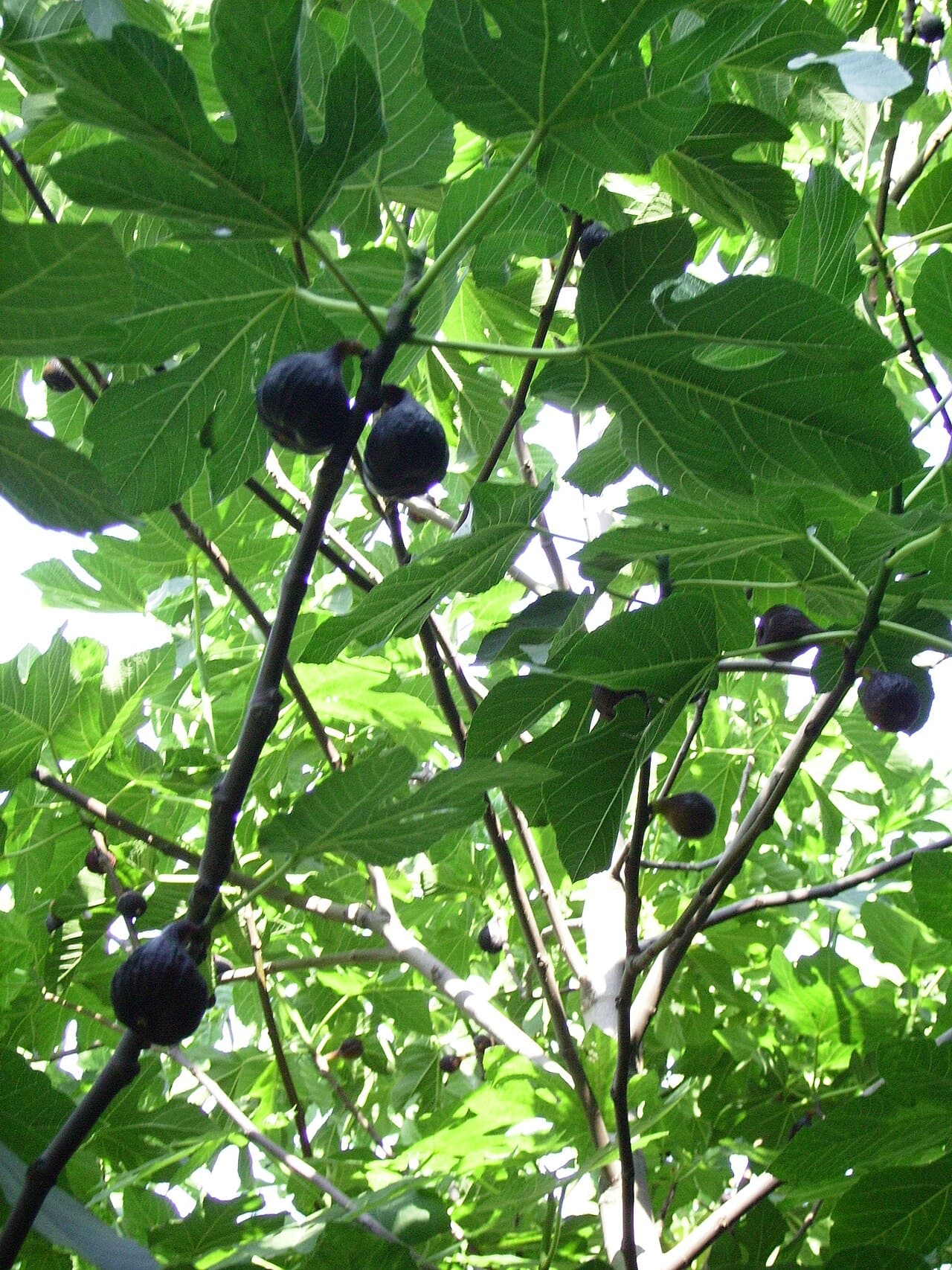
As figs ripen, sugar content increases and the skin softens, releasing a distinctive sweet aroma. This fragrance and color change signal "ready to eat" to birds, attracting species such as bulbuls, crows, and Japanese white-eyes. In environments with limited fruit production—such as garden trees or potted figs—even a small number of birds can cause substantial damage to the entire harvest.
Selecting and Installing Bird Netting
The most effective method is to cover the entire tree or fruit-bearing branches with netting. Select netting with a mesh size of 2 cm or smaller, which prevents even relatively small birds such as Japanese white-eyes from passing through.
- Install stakes or a frame and position the netting with space between it and the fruit or branches so that the netting does not make direct contact (birds will peck through and consume the fruit if the netting lies flush against it).
- Secure the bottom edge and seams firmly to the ground or trunk, preventing gaps through which birds can enter.
- Creating a section that can be opened and closed for each harvest makes daily work easier.
- Use only during the fruiting period, and remove after harvest to reduce stress on the tree—such as decreased air circulation and excess moisture.
Supplementary measures such as fruit bags and reflective tape
When netting the entire tree proves difficult, protecting individual figs or using visual deterrents can be effective in reducing damage.
- Fruit bagging: Place paper or nonwoven bags over fruits as they begin to color. Though labor-intensive to bag individual fruits, this method protects against birds, insects such as stink bugs, and rain damage.
- Reflective tape and materials: Suspend reflective tape or CDs to reflect light and alert birds to the presence of a deterrent. However, birds adapt readily to these materials, so changing their position and orientation periodically will extend their effectiveness.
- Bird netting: Stringing fishing line or similar material in a grid pattern across the upper portion of the tree makes it difficult for birds to spread their wings and land, providing some level of protection.
- Sound-deterrent devices require consideration for neighboring properties, so visual deterrents are the safer priority in residential areas.
Advance the harvest timing to narrow the window of vulnerability.
An often-overlooked aspect of bird damage prevention is the timing of harvest itself. As figs ripen further, their aroma strengthens and they become easier for birds to locate. Checking the trees morning and evening and harvesting colored fruit promptly is the most practical method for reducing damage. Inspections every few days tend to result in missed harvest windows, so establish a daily checking routine during peak fruiting periods.
Cultivar selection affects the degree of damage.
小果で皮がやわらかく甘みの強い品種は、鳥にとって一口で食べやすく狙われやすい傾向があります。セレストやヴィオレット・ド・ボルドー、ロンド・ド・ボルドーのような小果の甘い品種を育てる場合は、対策を厚めにしておくと安心です。一方桝井ドーフィンのような大果の品種でも被害はゼロにはならないため、油断せず対策を組み合わせましょう。栽培している品種の特徴が気になる場合は、品種図鑑で調べたり、掲示板で対策を相談してみるのもおすすめです。
The fundamental approach to bird protection combines three elements: physical exclusion with fine-mesh netting, supplementary measures such as fruit bags and reflective tape, and frequent harvesting to minimize the window of vulnerability. Rather than relying on a single method, layering protections suited to the tree's size and location ensures that ripened fruit reaches the table undamaged.
Not sure what your fig is?
Post a photo of the leaves and fruit and see what other growers think. "Maybe" is a perfectly good answer here.
Post your figRelated varieties
Not going the way you hoped?
Ask other growers on the board. A photo gets you a faster answer.