Fig Yield Guidelines | Harvest Yields by Tree Age, Training Method, and Variety—and How to Increase Production
Updated: 2026-10-02
"How much fruit can actually be harvested from a single fig tree?" is a question that arises naturally after cultivation has been underway for some time. Yield varies considerably depending on variety, tree age, training method, and growing conditions, making it impossible to state a definite figure in kilograms. However, knowing a general target makes it easier to assess a tree's growth objectively. This article organizes the factors affecting yield and summarizes practical points for stabilizing and increasing production.
Yield Expectations According to Tree Age
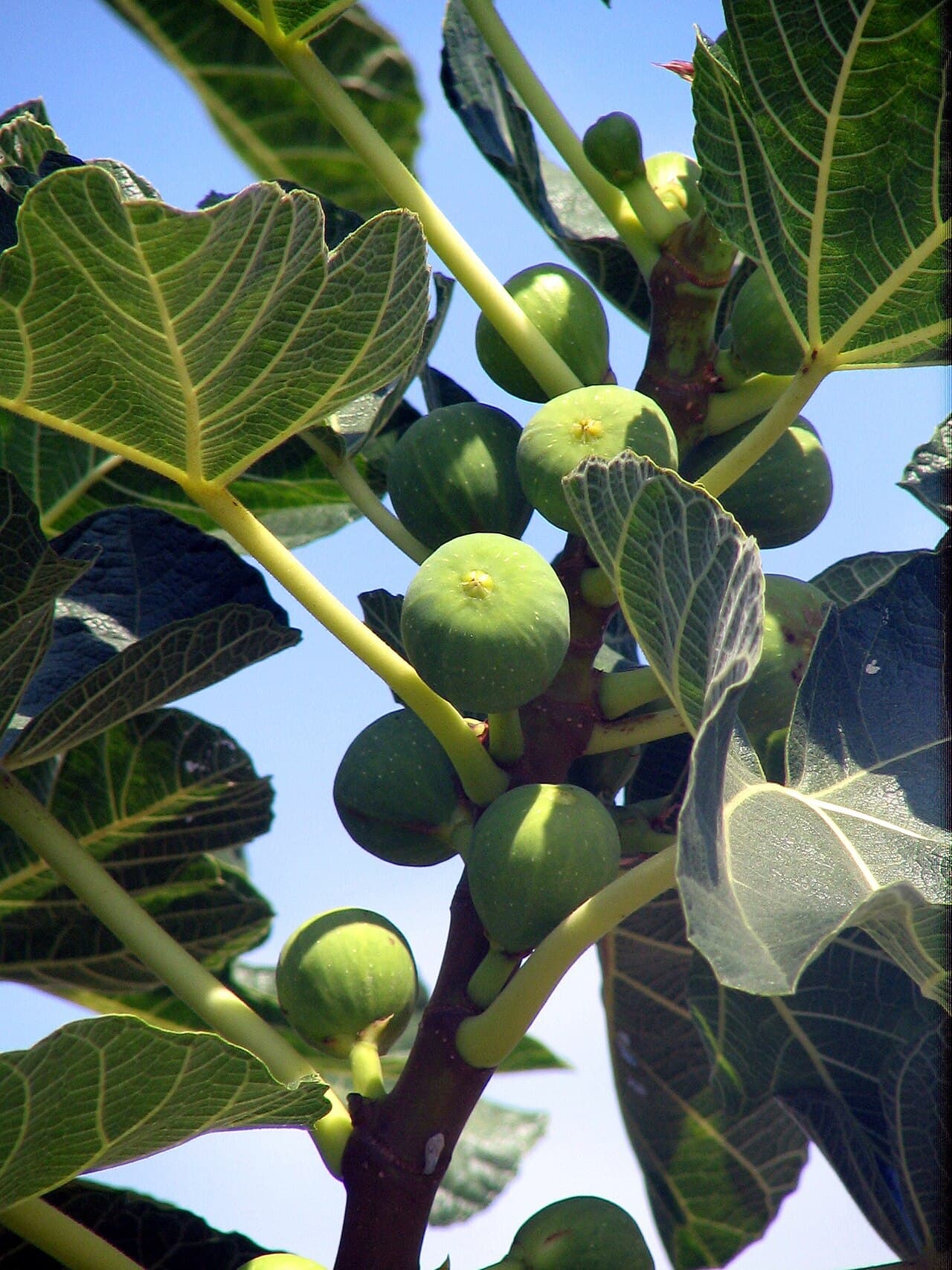
Figs do not produce abundant harvests immediately after planting. The quantity of fruit that can be harvested increases gradually over the years as the tree becomes established.
- Years 1–2: The establishment period when the young tree develops its root system. Production typically consists of only a few to several trial fruits, and substantial harvests should not be expected during this stage.
- Year 3–4: Most trees begin producing measurable crops, with container-grown figs yielding several hundred grams to around 1 kg, and in-ground plantings producing several kilograms.
- Fifth year onward: Once the tree form is established and roots have spread sufficiently, mature trees in ground can yield approximately 10 kg per tree, with higher yields possible under good management.
Training Method and Growing Environment Variations
Yield varies considerably depending on training method and location, even among trees of the same age.
- Ground planting vs. container growing: Ground planting allows a wider root zone, making it easier for the tree to develop vigor and increase yield. Container growing restricts the root zone, so yields tend to be lower compared to ground-planted trees of the same age. Maintaining yield in containers depends on timely repotting.
- Training method: Horizontal training systems such as espalier or hedge training increase the number of fruiting branches, making it easier to secure yields within the same cultivated area.
- Sunlight Requirements: Insufficient sunlight impedes fruit development. Provide a location that receives direct sunlight for at least several hours per day.
- Pruning management: Excessive pruning reduces branch count and lowers yield. Conversely, neglecting pruning worsens light penetration and produces uneven fruit set.
Harvest yield varies by variety.
Yield varies considerably by variety. Masui Dauphine, long cultivated throughout Japan, is known as a variety that reliably produces good harvests in both home and commercial settings, as it bears large fruit and has vigorous growth. Conversely, heirloom varieties such as Houraishi often display consistent fruiting even when individual fruit size is modest. Variety characteristics can be compared using the variety guide and posts in the discussion board, so it is useful to search for examples of the variety being grown.
Practical Points for Increasing Yield
To stabilize yield and gradually increase it, the following management practices are effective.
- Maintaining appropriate fruit set: Excessive fruit in relation to branch vigor prevents individual fruits from enlarging and exhausts the plant overall. Adjusting numbers through fruit thinning results in more stable and consistent yields by weight.
- Pruning to ensure sunlight and air circulation: thin out crowded branches so that light reaches the fruiting wood.
- Apply fertilizer according to growth stage: build tree vigor with dormant season fertilization, and do not omit additional feeding during the period when fruit enlarges.
- Container figs require regular repotting: when roots become cramped, tree vigor declines and both fruit set and fruit size tend to decrease.
- Balancing breba and main crop yields: With certain varieties, reducing breba production and concentrating effort on the main crop can result in more stable overall harvest volume and quality.
When Yield Suddenly Declines
When harvest yield drops suddenly on a previously productive tree, consider checking for the following possible causes.
- Excessive pruning or cutting back the previous year
- Root-bound condition (potted figs) or root zone compaction (in-ground figs)
- Feeding damage to branches and trunks caused by longhorn beetles and other pests
- Changes in sunlight conditions (shading caused by surrounding buildings or tree growth)
- Poor fruit set due to adverse weather conditions (prolonged rain, extreme heat, cool summer)
Yield varies from year to year depending on weather conditions, so there is no need to react to a single year's figures. Separating conditions that are difficult to change—tree age, training method, and variety—from those that can be adjusted annually—pruning, fertilization, and fruit set management—makes it easier to identify what needs improvement. Comparing actual yields and variety-specific trends with posts from other growers on the discussion board may also provide useful reference points.
Not sure what your fig is?
Post a photo of the leaves and fruit and see what other growers think. "Maybe" is a perfectly good answer here.
Post your figRelated varieties
Not going the way you hoped?
Ask other growers on the board. A photo gets you a faster answer.